Cost-Conscious Young Consumers Present a Problem for Chipotle
Soaring food prices are keeping many eaters at home.
Tags
Higher Education
Blog
Article
Understanding Business
Chapter 1 Taking Risks & Making Profits
Chapter 2 Economics
Chapter 13 Marketing
Chapter 14 Product & Price
Chapter 15 Distribution
Chapter 16 Place & Promotion
Branding
Food & Drink
Pricing
Retail, Marketing and Advertising
Supply & Demand
Article Type: Blog
Share:
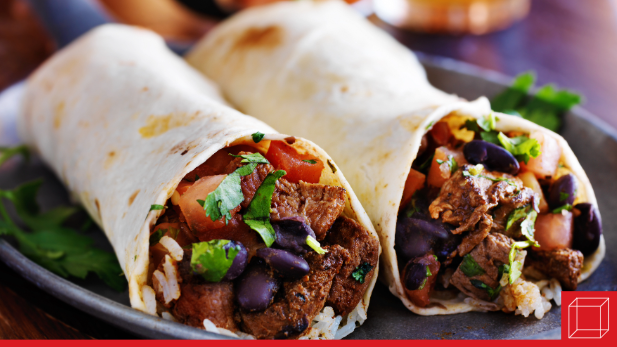
Over the past decade, the burrito chain Chipotle has marketed itself as a restaurant brand for younger, health-minded consumers. Its bowls and burritos became shorthand for quick, protein-forward meals. The chain invested in gaming partnerships, social media campaigns, and campus outreach to reinforce that identity — and it worked. Millennials and Gen Z customers helped Chipotle grow even as its prices rose faster than many competitors. Now economic pressures are reshaping that dynamic. Younger consumers that are facing student-loan payments, slower wage gains, and rising living costs are eating out less and cooking more. Chipotle’s strength with this demographic has become a point of vulnerability.
The shift reflects how consumer identity and value perception interact. For years, Chipotle offered a blend of convenience, portion size, and nutritional signaling that resonated with younger diners. But as budgets tighten, the definition of “value” is being reconsidered. Executives say customers in the 25-to-35 age group, who account for roughly a quarter of Chipotle’s sales, are simply going to restaurants less often. What had been a habitual purchase has become a splurge. "We're not losing them to the competition," said CEO Scott Boatwright. “We're losing them to grocery and food at home.”
Chipotle is responding with loyalty programs, digital promotions, and new rewards aimed at students. The chain has even rolled out a digital game where players can win food for correctly answering Chipotle trivia. These efforts aim to re-establish Chipotle as a default choice rather than an occasional one. But analysts note that the challenge goes beyond promotions. Fast-casual competitors such as Sweetgreen and Shake Shack are also pursuing the same demographic with their own value messaging and promotions. The question now is whether Chipotle can recover its position as younger consumers adjust their spending habits.
Questions:
Why has Chipotle historically focused on marketing to younger consumers? Why is that starting to backfire on them?
Do you think Chipotle will be able to win back cost-conscious young consumers? Why or why not?
highered Cost-Conscious Young Consumers Present a Problem for Chipotle Soaring food prices are keeping many eaters at home. Cost-Conscious Young Consumers Present a Problem for Chipotle Soaring food prices are keeping many eaters at home. Tags Higher Education Blog Article Understanding Business Chapter 1 Taking Risks & Making Profits Chapter 2 Economics Chapter 13 Marketing Chapter 14 Product & Price Chapter 15 Distribution Chapter 16 Place & Promotion Branding Food & Drink Pricing Retail, Marketing and Advertising Supply & Demand More Article Type: Blog January 22, 2026 Share: Over the past decade, the burrito chain Chipotle has marketed itself as a restaurant brand for younger, health-minded consumers. Its bowls and burritos became shorthand for quick, protein-forward meals. The chain invested in gaming partnerships, social media campaigns, and campus outreach to reinforce that identity — and it worked. Millennials and Gen Z customers helped Chipotle grow even as its prices rose faster than many competitors. Now economic pressures are reshaping that dynamic. Younger consumers that are facing student-loan payments, slower wage gains, and rising living costs are eating out less and cooking more. Chipotle’s strength with this demographic has become a point of vulnerability. The shift reflects how consumer identity and value perception interact. For years, Chipotle offered a blend of convenience, portion size, and nutritional signaling that resonated with younger diners. But as budgets tighten, the definition of “value” is being reconsidered. Executives say customers in the 25-to-35 age group, who account for roughly a quarter of Chipotle’s sales, are simply going to restaurants less often. What had been a habitual purchase has become a splurge. "We're not losing them to the competition," said CEO Scott Boatwright. “We're losing them to grocery and food at home.” Chipotle is responding with loyalty programs, digital promotions, and new rewards aimed at students. The chain has even rolled out a digital game where players can win food for correctly answering Chipotle trivia. These efforts aim to re-establish Chipotle as a default choice rather than an occasional one. But analysts note that the challenge goes beyond promotions. Fast-casual competitors such as Sweetgreen and Shake Shack are also pursuing the same demographic with their own value messaging and promotions. The question now is whether Chipotle can recover its position as younger consumers adjust their spending habits. Questions: Why has Chipotle historically focused on marketing to younger consumers? Why is that starting to backfire on them? Do you think Chipotle will be able to win back cost-conscious young consumers? Why or why not? References: Aditi Bharade and Katherine Tangalakis-Lippert, “Chipotle Says It’s Lost Steam with Gen Z and Millennial Customers Due To Unemployment, Student Loans, and Stagnant Wages,” Business Insider, October 30, 2025.
Soaring food prices are keeping many eaters at home.