Pizza Popularity Drops among American Eaters
Food delivery apps have given consumers more options than pizza.
- Higher Education
- Blog
- Article
- Understanding Business
- Chapter 1 Taking Risks & Making Profits
- Chapter 2 Economics
- Chapter 6 Entrepreneurship
- Chapter 13 Marketing
- Chapter 14 Product & Price
- Chapter 15 Distribution
- Chapter 16 Place & Promotion
- Bonus Chapter B
- Branding
- Entrepreneurship
- Food & Drink
- Pricing
- Product Development
- Product Distribution
- Retail, Marketing and Advertising
- Supply & Demand
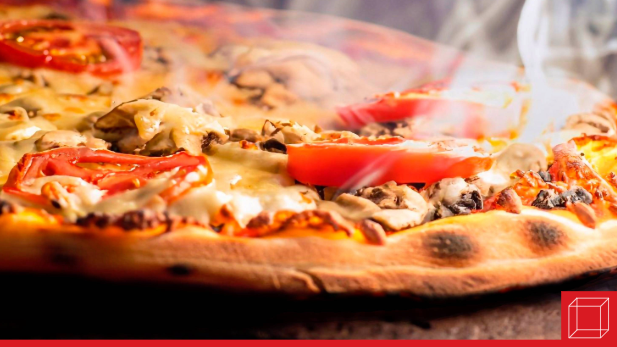
For decades, pizza was one of the most reliable products in the U.S. restaurant industry. Large chains expanded rapidly by standardizing menus and building delivery networks. Brands like Pizza Hut and Domino’s became a familiar part of life, from mall food courts to suburban strip malls. Today, Americans still eat a lot of pizza, but its role in the restaurant market is changing. Sales growth at pizza chains has slowed compared to other fast-food categories like coffee shops and Mexican restaurants. What’s more, food-delivery apps give customers access to many cuisines at similar prices, while grocery stores offer frozen or ready-made meals that compete directly with takeout pizza. As consumer habits shift, pizza is no longer the automatic choice it once was.
Pizza’s old business model is not as profitable as it used to be. Chains rely on large menus, low prices, and high sales volume to stay profitable. But rising labor costs, higher rent, and increased competition have made that model harder to sustain. Some pizza shops are stuck with expensive dine-in locations just as more customers are starting to prefer delivery or pickup. Others are caught in price wars, offering deals that attract customers but reduce profit margins. Several well-known pizza brands have closed locations, filed for bankruptcy, or explored selling their companies as they try to survive. For instance, Pizza Hut recently announced that it would be closing 250 “underperforming” locations around the U.S.
As it becomes harder to make a profit from pizza, companies are also facing a new generation of diners with ever-changing tastes. Many Gen Z consumers grew up with food delivery apps and easy access to different cuisines, so pizza no longer stands out as the most convenient or familiar option. While young people still eat pizza, they are more selective about when and where they buy it and how much they’ll spend. As a result, pizza chains are adjusting their strategies by improving quality, expanding menus, or moving away from large dine-in spaces.
Questions:
Why are pizza companies struggling to win over customers?
How have food delivery apps changed the ways that consumers look at pizza?