
Self-Service Kiosks Cause Consumers to Spend More
Easy upselling and lack of judgement can convince consumers to add items on.
- Higher Education
- Blog
- Article
- Understanding Business
- Chapter 1 Taking Risks & Making Profits
- Chapter 2 Economics
- Chapter 4 Ethics & Social Responsibility
- Chapter 6 Entrepreneurship
- Chapter 13 Marketing
- Chapter 14 Product & Price
- Chapter 15 Distribution
- Chapter 16 Place & Promotion
- Bonus Chapter B
- Branding
- Entrepreneurship
- Ethics
- Food & Drink
- Pricing
- Product Development
- Product Distribution
- Retail, Marketing and Advertising
- Supply & Demand
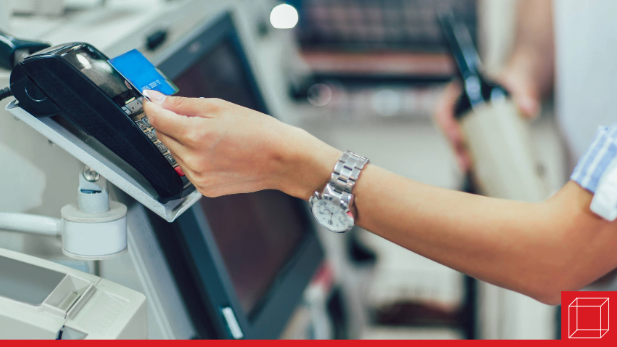
From apps to ads to ordering food, behavioral science is increasingly shaping how companies design everyday experiences. Small changes in environment and decision-making can have a big influence on what people buy, and businesses are investing heavily to understand all these different factors. One of the most visible examples of their efforts is the rise of self-service checkout kiosks, which are now common in fast-food restaurants, hotels, and retail stores. These touchscreens are not just for convenience or labor savings. They are carefully designed tools that apply psychological insights to customer behavior.
Self-service systems can have a significant impact on spending. Studies show that customers tend to buy more items when ordering from kiosks, with some estimates suggesting purchases can rise by as much as 40 percent. Removing the social interaction of ordering from a cashier plays a key role. As one kiosk designer explained: “You are removing the psychology of speaking to someone and feeling judged. Because you have more time and you’re not being judged, you’re much more inclined to say yes to extras.” Digital menus also provide vivid product images and frequent prompts to add sides, drinks, or larger portions, creating more opportunities for upselling while customers browse at their own pace.
The growth of kiosks reflects a broader trend of companies using behavioral science to shape decisions in subtle ways. Techniques such as default options, expert endorsements, and environmental cues have long influenced consumer behavior, from advertising campaigns to retirement savings programs. Today, though, these ideas are being built directly into digital experiences that guide everyday choices. This combination of psychology and technology can lead to steady sales for companies that are willing to make the necessary investment. For consumers, meanwhile, it highlights how seemingly simple tools can quietly shape decisions and purchasing habits in ways many people may not even notice.
Questions:
How do self-service kiosks subtly encourage consumers to spend more?
What sort of ethical issues do you think could arise from companies relying more on behavioral science to increase sales?

