How Celsius Repositioned Its Brand in the Energy Drink Market
Celsius nearly failed twice. Then it changed everything — its message, its look, and its audience — and rewrote the rules of the energy drink market.
- Higher Education
- Article
- Blog
- Ferrell Business in the News
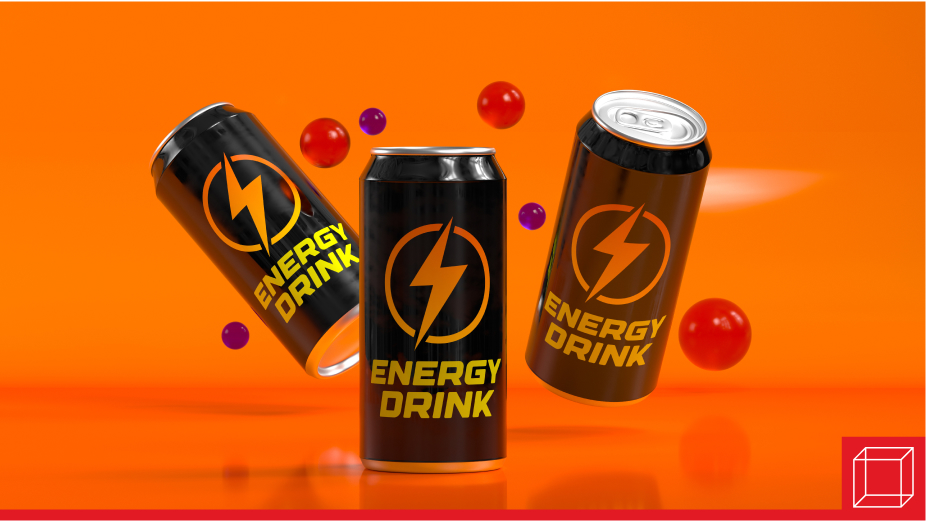
The energy drink aisle is crowded with brands promising bigger energy boosts, bolder flavors, and louder personalities. Over the years, hundreds of brands have tried to carve out space in the category. Celsius, an energy drink company based in Florida, nearly failed more than once, but by changing how it positioned its product, expanding distribution, and appealing to consumers largely overlooked by competitors, Celsius grew into one of the largest players in the U.S. energy drink market.
Finding a New Position in a Crowded Market
Celsius did not begin as the brand consumers recognize today. Early versions of the drink were marketed heavily around calorie burning and weight loss. The product itself was largely the same, but the message didn’t connect with consumers. After conducting focus groups, Celsius executives found that consumers responded more favorably to messages about health, fitness, and energy.
The company began moving away from its identity as a diet-oriented beverage and repositioned itself as a sugar-free energy drink for active, health-conscious consumers. That shift was accompanied by changes to the package. Celsius moved toward white, slender cans with colorful fruit imagery and a cleaner design. The repositioning helped Celsius distinguish itself from competitors whose branding frequently revolved around extreme sports, loud graphics, or traditionally male audiences.
Women became especially important to the brand’s growth. Women have historically been underserved by the energy drink category. Celsius’ slim cans, fruit flavors, fitness positioning, and cleaner-looking design helped the brand appeal to consumers who might not have been drawn to traditional energy drinks. That approach also influenced competitors. As Celsius gained popularity, other companies introduced more sugar-free products, cleaner-looking packaging, and offerings aimed at consumers interested in health and wellness.
Winning Where Customers Shop
In the beverage business, distribution can be a major source of competitive advantage. A product can have strong branding and consumer interest, but it still needs shelf space, cooler placement, and widespread availability. Celsius initially relied on a patchwork of distribution arrangements. That limited the company's reach and bargaining power with retailers until it gained access to larger distribution networks.
Celsius was able to fill distribution space that became available after Bang Energy changed distributors. A much bigger opportunity followed in 2022, when PepsiCo purchased an 8.5 percent stake in Celsius and entered into a long-term distribution agreement with the company. That agreement placed Celsius inside one of the largest beverage distribution systems in the country. It also gave the company more opportunities to secure valuable retail placement, such eye-level shelf space where shoppers are most likely to notice products.
By 2023, Celsius had become the No. 3 energy drink brand in the United States. The U.S. energy drink market is one of the fastest-growing areas among nonalcoholic packaged beverages.
Building a Portfolio
Success created a new challenge for Celsius: Managing more than one energy drink brand. In 2025, Celsius acquired Alani Nu, a fast-growing energy drink brand with particularly strong appeal among women. It also added Rockstar Energy to its portfolio as part of an expanded relationship with PepsiCo. The three brands give Celsius Holdings access to different parts of the market, but they also create the risk of brand cannibalization (i.e., when sales of one company product come at the expense of another product sold by the same company).
Cannibalization concerns are especially important because Celsius and Alani Nu can appeal to similar consumers. Yet Celsius executives argue that the brands can occupy different positions. The company describes Alani Nu as a super-premium offering, Celsius as premium, and Rockstar as premium economy. That distinction can influence pricing, packaging, promotions, and where each product appears in stores.
Celsius is also using price-pack architecture, a strategy that adjusts package sizes, prices, and product combinations to fit different customer needs and retail situations. Executives have discussed possibilities such as offering smaller Alani Nu cans while also making sure Rockstar is not priced above Celsius in ways that could confuse the intended positioning of the brands.
The company must also coordinate promotions carefully. A deeply discounted limited-time Alani Nu flavor, for example, might boost short-term sales but undermine its super-premium positioning or draw customers away from Celsius.
The Energy Drink Wars Wage On
Competition remains intense. Traditional leaders such as Red Bull continue to introduce new products, flavors, and sugar-free offerings. Retailers can also become competitors. Costco introduced a Kirkland Signature energy drink with zero sugar and 200 milligrams of caffeine in a slim white can that resembled Celsius in several ways, but at a lower price. That launch placed new pressure on Celsius, particularly among Costco shoppers who could purchase a similar-looking product for less.
The company now faces a different challenge from the one it faced during its early years. Celsius once had to convince retailers and consumers that it deserved space in the energy drink market. Now it must manage several brands, protect their individual identities, coordinate pricing and promotions, and defend valuable shelf space against both national competitors and lower-priced alternatives.
In the Classroom
This article can be used to discuss product positioning, target markets, branding, and distribution strategy (Chapter 12: Dimensions of Marketing Strategy).
Discussion Questions
- How did Celsius change its positioning from its original calorie-burning and weight-loss message?
- What packaging and branding changes helped Celsius distinguish itself from traditional energy drinks?
- What competitive challenges does Celsius face as it manages several brands in a rapidly growing energy drink market?
This article was developed with the support of Kelsey Reddick for and under the direction of O.C. Ferrell, Linda Ferrell, and Geoff Hirt.
Deena Shanker, "How Celsius Became the King of Normie Energy Drinks," Bloomberg, August 27, 2026
Timothy Inklebarger, "Celsius Clears PepsiCo Distribution Hurdles, Confronts Brand Cannibalization Risk," FoodNavigator, September 11, 2026
Jessica Loder, "5 Charts Showing the Changing Energy Drink Landscape," C-Store Dive, April 8, 2026

Linda Ferrell is the Roth Family Professor of Marketing and Business Ethics in the Raymond J. Harbert College of Business, Auburn University. She was formerly Distinguished Professor of Leadership and Business Ethics at Belmont University. She completed her Ph.D. in business administration, with a concentration in management, at the University of Memphis. She has taught at the University of Tampa, Colorado State University, University of Northern Colorado, University of Memphis, University of Wyoming, and the University of New Mexico. She has also team-taught classes at Thammasat University in Bangkok, Thailand.