Protecting Higher Education in the Age of AI
AI adoption in higher ed isn't just a tech decision, it's an institutional one. Learn why trust, security, and content quality must come first.
- Higher Education
- Article
- Blog
- Artificial Intelligence (AI)
- Asset Format Type
- Accounting Ledger

The Big Picture
- Building trust is crucial for the safe and effective long-term adoption of AI. Institutions will only realize AI's potential if faculty, students, and leaders are confident the technology is secure, transparent, and aligned with institutional values.
- The quality of AI depends on the foundation it's built on. AI grounded in trusted, vetted educational content provides more reliable, course-aligned support than models trained on broad, generalized information.
- Responsible AI actually enables innovation. Strong governance, security, human oversight, and AI literacy create the confidence institutions need to innovate responsibly and at scale.
As artificial intelligence becomes more deeply embedded across higher education, institutions face a new challenge. Now more than ever, higher ed must go beyond what AI can achieve. It must ensure AI is secure, responsible, and worthy of the trust placed in it. Protecting student information, preserving academic integrity, and aligning AI with institutional values have become just as important as the technology itself.
In a conversation with Alicia Putrino, Chief Information Security Officer at McGraw Hill, one idea surfaced repeatedly: "Trust has to be part of the conversation from the start." As institutions evaluate AI, she notes that lasting adoption depends on whether "students and faculty feel confident in how it's being used."
That's because AI adoption isn't just a technology decision. It's an institutional one. Before educators, students, and leaders can embrace new tools, they need confidence that the information behind them is reliable, the systems using them are responsible, and the technology supports the mission of teaching and learning, securely.
The institutions that succeed won't necessarily be the ones that adopt AI the fastest. They'll be the ones that ask the right questions first.
- What is our AI actually built on, and can we trust the information it provides?
- How are we protecting student, faculty, and institutional data?
- How are we balancing innovation with security, governance, and accountability?
- How will we measure whether AI is improving learning outcomes without jeopardizing the quality of education students receive?
- How are we preparing our campus community to use AI responsibly and effectively?

What Makes AI Worth Trusting?
Not all AI is created equal.
AI tools are mostly built on generalized information designed to answer almost any question. While that breadth can be useful, higher education demands tailor-made solutions. Faculty need confidence that the information students receive is accurate, aligned with course objectives, and rooted in credible academic sources, not simply the most likely response generated by a model.
That's where McGraw Hill takes a different approach.
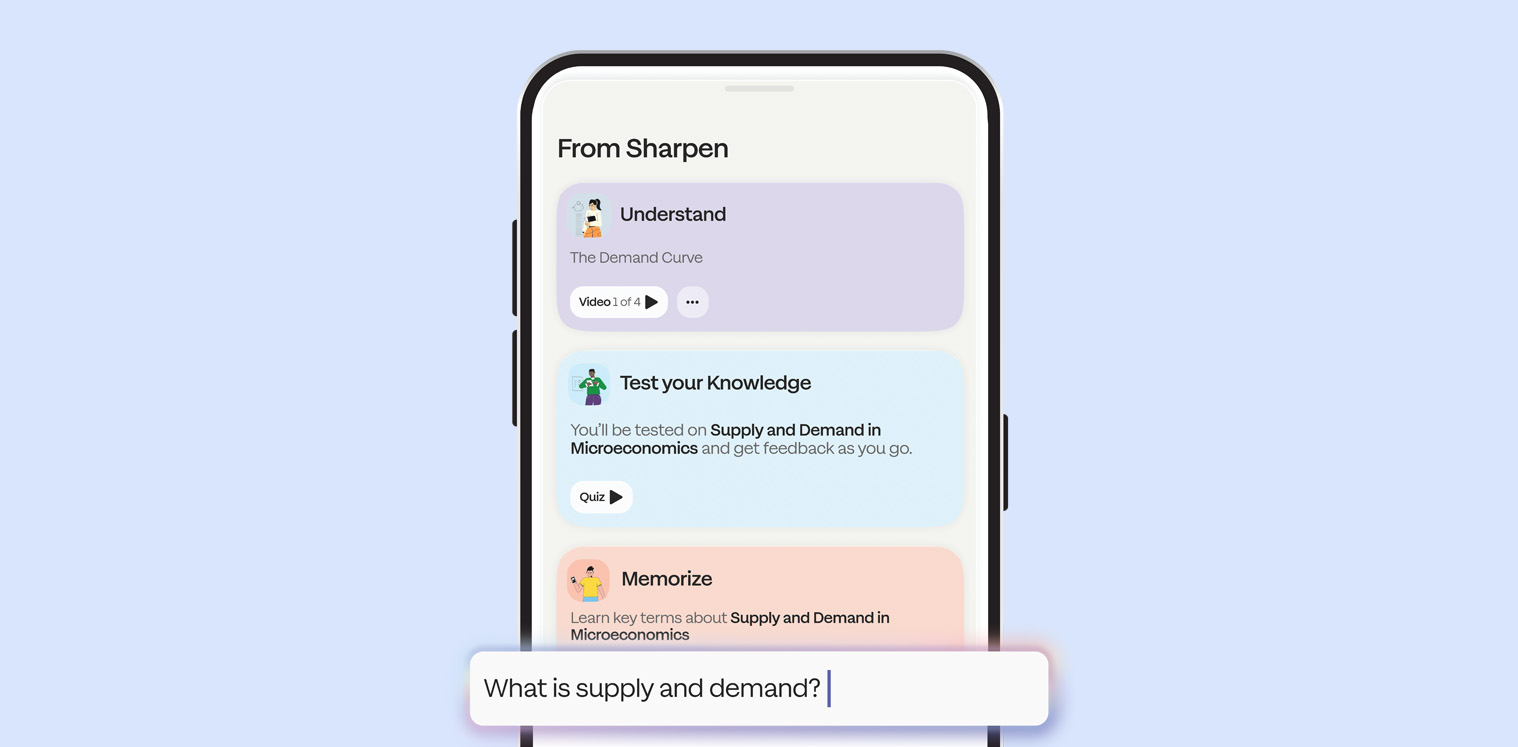
Rather than building AI on broad, generalized data, McGraw Hill grounds its AI in the trusted, vetted content educators have relied on for generations. Instead of asking educators to trust an entirely new source of information, McGraw Hill extends the value of the content they already know.
That foundation has implications across campus. Faculty can use AI knowing it's grounded in the materials they already know and teach. Students engage with AI that reinforces the learning experience. It's an approach educators trust. In fact, educators are 81% more likely to completely trust AI embedded within educational platforms than general-purpose AI chatbots, while trust in general GenAI chatbots has declined by 33% compared to last year1. Most importantly, institutional leaders can adopt new technology knowing it's built with the same commitment to educational quality that has always defined effective teaching.
As Putrino puts it, institutions make decisions that "shape academic outcomes," which is why AI must be "secure, reliable, transparent, and aligned with the institution's values."
It's a reminder that what powers AI matters just as much as what it can do.
How AI Trust is Built

A strong foundation is only the beginning. Trust in AI must be continuously reinforced by every decision that surrounds how AI is built, deployed, and improved over time.
For McGraw Hill, that means treating responsible AI as an ongoing commitment, not a final checkpoint. Security, governance, human oversight, and continuous evaluation should be built into the development process from the start to ensure the proper safeguards are proactively implemented. The same is true for the people using the technology. Faculty, staff, and students need the training and support to understand how to use AI responsibly and effectively in the learning environment, moving beyond the question of what AI can do to how it can best support teaching and learning.

As Putrino explains, "The goal isn't to slow innovation, it's to ensure innovation happens safely and responsibly."
That philosophy shapes how McGraw Hill approaches AI. By pairing trusted educational content with thoughtful governance, ongoing measurement, and AI literacy, McGraw Hill isn't just building tools that work, it's building solutions institutions can confidently adopt to achieve their goals without compromising security, academic integrity, or trust.
Human-Centered Innovation
At the end of the day, the real value of responsible AI is that it actually creates more room for meaningful teaching, learning, and institutional success.
When faculty have tools that reinforce course content and reduce administrative burden, they can spend more time engaging students. When students receive support grounded in the material they are actually learning, AI can help them work through difficult concepts without replacing the effort required to understand them. And when institutions can evaluate effectiveness and risk, they can expand what works with greater clarity.
In our conversation, Putrino brought up how "the biggest misconception is that security and innovation are competing priorities." Instead, she explains, "the most successful institutions understand that strong security enables innovation because they create the confidence needed to adopt new technologies responsibly." That approach creates guardrails without turning them into roadblocks. It allows people to experiment, learn, and adapt while preserving academic integrity and human oversight.
Leading in the Next Era of AI
AI models, features, and providers will continue to change. Institutions therefore need more than a tool that meets today's needs. They need an approach that can evolve alongside the technology while maintaining the security, governance, and educational integrity required to earn lasting confidence and ensure productive innovation.
Putrino noted that successful institutions will treat AI "as an organizational transformation rather than a technology project." That means focusing on outcomes, bringing academic and technical stakeholders together early, and building the resilience to adapt as new capabilities and risks emerge.
As AI becomes more embedded in higher education, the question isn't simply what the technology can generate. It's what it's built on. As Alicia Putrino notes, "Leaders should be focused on building a foundation that will allow them to adapt to whatever comes next. The pace of change isn't going to slow down. The institutions that are best prepared will be the ones that build trust, resilience, and adaptability into their AI strategy from the start.” And at the end of the day, while AI may shape the future of higher education, its greatest impact will always be measured by the people it empowers.
From today's tools to tomorrow's innovations, McGraw Hill supports institutions in propelling student success and achieving their strategic goals through responsible AI. Visit our Campuswide Services and Solutions webpage to explore our latest offerings and stay up to date on how we can help drive shared success across your institution.
1 McGraw Hill. (2026). 2026 McGraw Hill Global Education Insights Report