FIFA is charging different prices for 2026 World Cup games depending on which teams are playing.
Tags
Higher Education
Article
Econ Everyday
Supply and Demand
Article Type: Blog
Share:
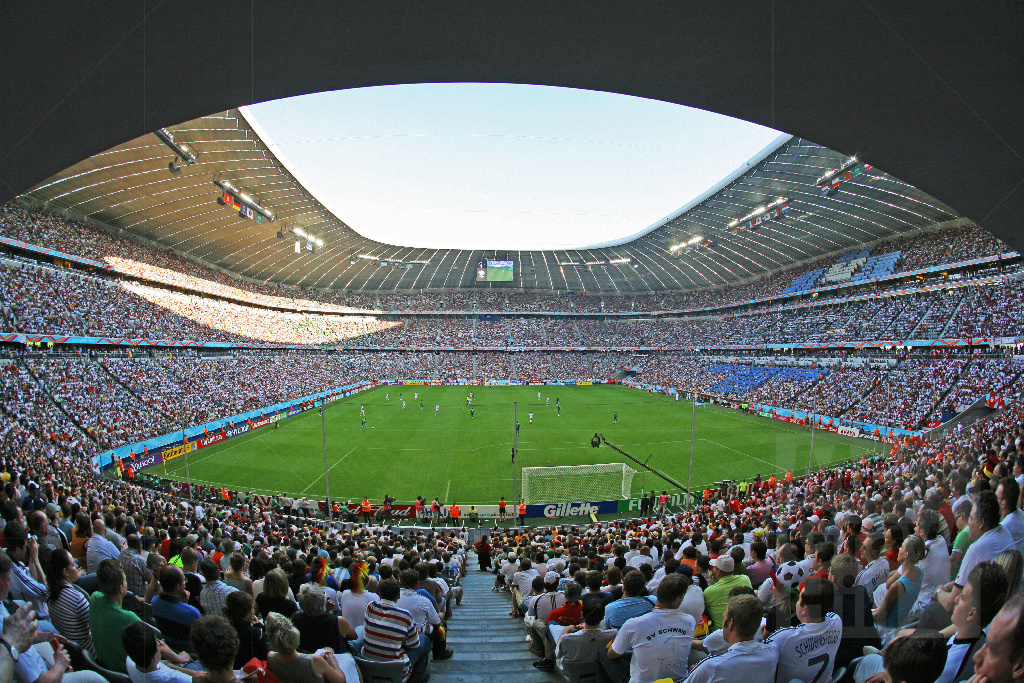
Football fans around the world are outraged by FIFA’s new pricing model for the 2026 World Cup. In previous tournaments, FIFA charged the same price for tickets for every game, with prices ranging only depending on the location of the seats within the stadium. For the 2022 World Cup held in Qatar, fans could by tickets for as little as $70, with the better seats selling for around $1600. This year, however, FIFA has adopted a “dynamic pricing” model where ticket prices are determined by the expected ticket demand for each game. That is, tickets for more popular matches will be priced higher than tickets for less popular matches. For example, tickets for the opening match and final matches will cost more than tickets for first stage matches. Additionally, matches between countries with large fanbases that can easily afford to travel internationally, e.g. England and Italy, will be more expensive than tickets for other countries that don’t draw a large crowd of traveling fans. For German football fans, this new pricing model means that ticket prices for group stage matches would rise from $70 to $160, and tickets to the final will now cost more than $4,000.
Of course, when the new prices were announced, fans’ backlash sparked a great deal of media attention and bad publicity for FIFA. In response, FIFA announced they would make a certain number of $60 tickets available for countries’ biggest supporters, but not very many. In every tournament, FIFA allocates 8% of each game’s tickets to members of national fan clubs, generally at lower prices than tickets for the general public. Of those tickets, 10 percent will be priced at $60, and the rest will be priced according to the new model. When asked why they would stick to the mew pricing model despite angering devoted fans, the answer was quite simple. During the first round of the random lottery to buy tickets, FIFA received over 150 million entries.
Discussion Questions:
What are the advantages and disadvantages of dynamic pricing for World Cup tickets compared to charging the same price for all games?
What are some other methods of allocating World Cup tickets to fans other than price-rationing? What are the costs and benefits associated with those allocation strategies?
Supply and demand are in action as rising beef prices are forcing BBQ restaurants to decide whether to keep brisket on their menus or search for lower-cost alternatives.
Do you feel as though every time you go out to eat the bill just keeps getting bigger? If you do, you’re not alone. The cost of food, whether eaten in a restaurant or at home keeps rising, except that is, at the Masters Tournament in Augusta, Georgia.
Regional Page Available
It looks like you're outside the United States. Do you want to see your regional version of this page?
Education Topics
Education Topics/Courses
Education Topics/Courses/Econ Everyday
Education Topics/Courses/Econ Everyday/Supply and Demand
Asset Format Type
Asset Format Type/Blog
Asset Format Type/Blog/Article
Business Unit
Business Unit/Higher Education
highered
2026-11-19T16:24:31.222Z
highered FIFA Receives Yellow Card from Fans FIFA is charging different prices for 2026 World Cup games depending on which teams are playing. FIFA Receives Yellow Card from Fans FIFA is charging different prices for 2026 World Cup games depending on which teams are playing. Tags Higher Education Article Econ Everyday Supply and Demand More Article Type: Blog February 03, 2026 Share: Football fans around the world are outraged by FIFA’s new pricing model for the 2026 World Cup. In previous tournaments, FIFA charged the same price for tickets for every game, with prices ranging only depending on the location of the seats within the stadium. For the 2022 World Cup held in Qatar, fans could by tickets for as little as $70, with the better seats selling for around $1600. This year, however, FIFA has adopted a “dynamic pricing” model where ticket prices are determined by the expected ticket demand for each game. That is, tickets for more popular matches will be priced higher than tickets for less popular matches. For example, tickets for the opening match and final matches will cost more than tickets for first stage matches. Additionally, matches between countries with large fanbases that can easily afford to travel internationally, e.g. England and Italy, will be more expensive than tickets for other countries that don’t draw a large crowd of traveling fans. For German football fans, this new pricing model means that ticket prices for group stage matches would rise from $70 to $160, and tickets to the final will now cost more than $4,000. Of course, when the new prices were announced, fans’ backlash sparked a great deal of media attention and bad publicity for FIFA. In response, FIFA announced they would make a certain number of $60 tickets available for countries’ biggest supporters, but not very many. In every tournament, FIFA allocates 8% of each game’s tickets to members of national fan clubs, generally at lower prices than tickets for the general public. Of those tickets, 10 percent will be priced at $60, and the rest will be priced according to the new model. When asked why they would stick to the mew pricing model despite angering devoted fans, the answer was quite simple. During the first round of the random lottery to buy tickets, FIFA received over 150 million entries. Discussion Questions: What are the advantages and disadvantages of dynamic pricing for World Cup tickets compared to charging the same price for all games? What are some other methods of allocating World Cup tickets to fans other than price-rationing? What are the costs and benefits associated with those allocation strategies? References: https://www.npr.org/2025/12/29/nx-s1-5660767/fifa-gianni-infantino-world-cup-ticket-prices ; https://www.espn.com/soccer/story/_/id/47325927/fifa-2026-world-cup-ticket-prices-supporter-tier About the Author Michael Coon
FIFA is charging different prices for 2026 World Cup games depending on which teams are playing.
Supply and Demand, Econ Everyday, Article, Higher Education