Digital Price Tags: Is Dynamic Pricing Coming Soon to a Store Near You?
Retailers and their customers disagree over whether digital price tags are being used to lower prices or raise them.
- Higher Education
- Article
- Econ Everyday
- Supply and Demand
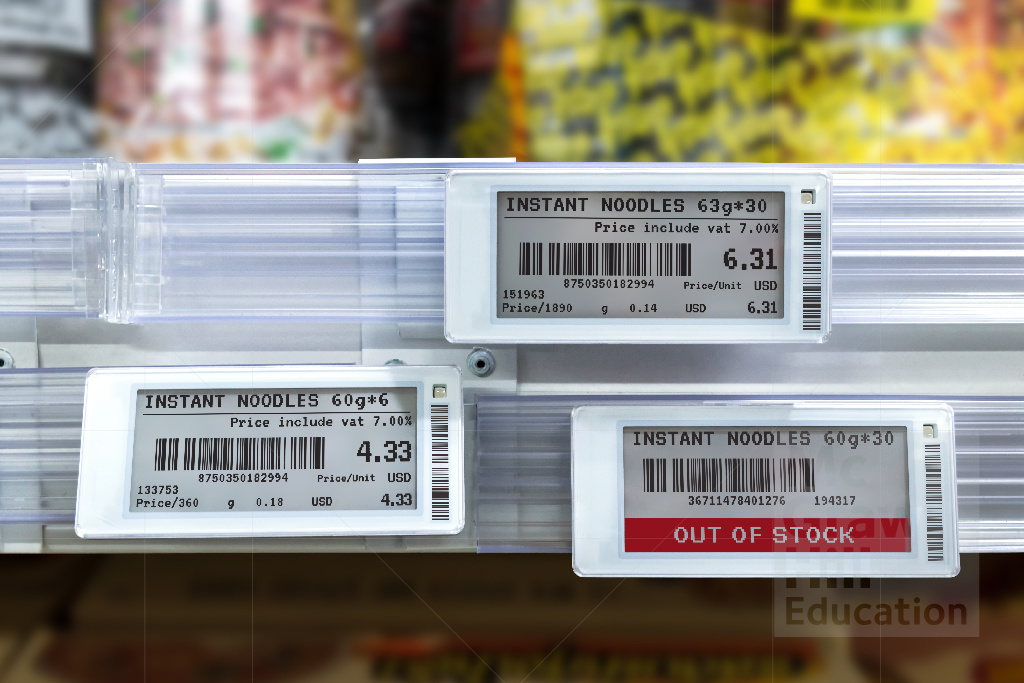
Many retail stores have begun replacing old-fashioned paper price tags with high-tech digital price tags that allow stores to change prices almost instantaneously. Changing prices based on economic conditions is not uncommon in many industries. Airlines and hotels routinely charge different customers different prices based on when a flight or hotel room is booked, when it is used, and whether there is a strong market demand. Concerts and events update prices based on how slowly or rapidly tickets are selling. (Tickets to Game 3 of the 2026 World Series fell by 50 percent in the days leading up to the game.) Some toll roads change their prices based on how much traffic there is.
However, some consumers are concerned that retailers will adjust prices not according to market conditions but based on the customers’ personal data. Fears of so-called “surveillance pricing” have been circulating widely across the internet, and the Federal Trade Commission is investigating multiple companies suspected of using this practice. While there is currently no federal law specifically banning the use of consumer data to set prices, it may violate Section 5 of the FTC Act if not properly disclosed to consumers, and several states have passed laws, or are considering bills, to ban it.
In their defense, retailers have argued that digital price tags are a cost-saving measure. With paper price tags, employees must go through the store and manually replace or update them. Using digital price tags allows retailers to reduce their labor costs and pass the savings on to consumers. They also argue that competition for customers will prevent them from raising prices as they would lose customers to their rivals. Although these arguments make sense, it doesn’t appear that consumers are buying what they’re selling.
Discussion Questions:
- Who gains and who loses when firms charge different customers different prices for the same product? What market conditions must be present for firms to successfully do this?
- Use a supply and demand model to demonstrate how reducing labor costs will affect the equilibrium price and quantity of retail goods.
https://www.fox13news.com/video/fmc-tvqol9421jdr6jl7; https://www.foxbusiness.com/personal-finance/ftc-probes-whether-major-us-companies-charge-customers-different-prices-using-personal-data; https://www.usatoday.com/story/shopping/sports/tickets/2026/10/26/buy-last-minute-rays-vs-brewers-world-series-game-3-tickets/92441518007/; https://www.pbs.org/newshour/economy/consumer-concerns-grow-as-retailers-adopt-ai-assisted-pricing-tools