* The estimated amount of time this product will be on the market is based on a number of factors, including faculty input to instructional design and the prior revision cycle and updates to academic research-which typically results in a revision cycle ranging from every two to four years for this product. Pricing subject to change at any time.

Instructor Quick Actions

Get eBook Access Get access as soon as you validate!
Request a Print Sample Get a copy as soon as validated.
Contact a Rep Find a local rep best suited for you.
Find Rep

Product Information

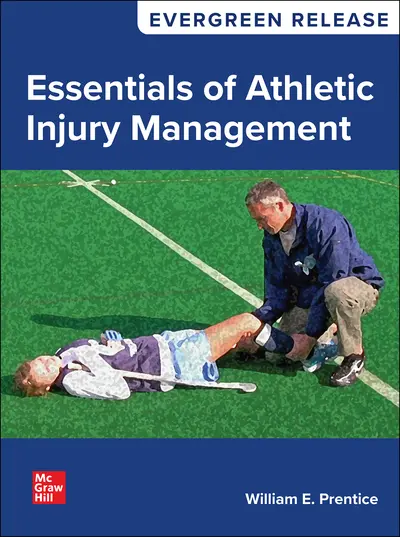
Essentials of Athletic Injury Management provides the information students need to manage the care of athletic injuries, from prevention and identification and assessment of injuries, to interaction with players, parents, and physicians. Designed for those beginning careers in coaching, physical education, and the fitness profession, this text prepares learners to manage injury and emergency situations when an athletic trainer or physician is not available. Each chapter focuses on promoting an understanding of the prevention and care of particular types of athletic injuries, progressing from general to specific concepts. Action plans, checklists, and applications of universal precautions in athletic environments are included to provide the practical tools needed to get started in the field. Essentials of Athletic Injury Management provides the reader with the most current information on the subject of prevention and basic care of sports injuries.

PART I Organizing and Establishing an Effective Athletic Health Care System

1. Fitness Professionals, Coaches, and the Sports Medicine Team: Defining Roles

2. Organizing and Administering an Athletic Health Care Program

3. Legal Liability and Insurance

Part II Preventing Injuries in an Athletic Health Care System

4. Preventing Injuries Through Fitness Training

5. Sports Nutrition and Supplements

6. Selecting and Using Protective Sports Equipment

7. Understanding the Potential Dangers of Adverse Environmental Conditions

Part III Techniques for Treating and Managing Sport-Related Injuries

8. Handling Emergency Situations and Injury Assessment

9. Preventing the Spread of Infectious Diseases, Bloodborne Pathogens, and Wound Care

10. Wrapping and Taping Techniques

11. Understanding the Basics of Injury Rehabilitation

12. Helping the Injured Athlete Psychologically

Part IV Recognition and Management of Specifi Injuries and Conditions

13. Recognizing Different Sports Injuries

14. The Foot and Toes

15. The Ankle and Lower Leg

16. The Knee and Related Structures

17. The Thigh, Hip, Groin, and Pelvis

18. The Shoulder Complex

19. The Elbow, Forearm, Wrist, and Hand

20. The Spine

21. The Thorax and Abdomen

22. The Head, Face, Eyes, Ears, Nose, and Throat

23. General Medical Conditions and Additional Health Concerns

24. Substance Abuse

25. Preventing and Managing Injuries in Young Athletes

Appendixes

Appendix A: Employment Settings for the Athletic Trainer

Appendix B: Requirements for Certification as an Athletic Trainer

Appendix C: Directional Movements for Body Joints

Glossary

Index

About the Author

William E. Prentice

Dr. William Prentice is Professor of Exercise and Sport Science and Coordinator of the Sports Medicine Program at the University of North Carolina at Chapel Hill, where he also serves as the Director of the NATA approved Graduate Athletic Training Education Program. He received his BS and MS from the University of Delaware and his Ph.D. in Sports Medicine and Applied Physiology from the University of Virginia. He also has a BS in Physical Therapy from the University of North Carolina. He is a Certified Member of the National Athletic Trainers' Association and has received the Sayers A. "Bud" Miller Distinguished Athletic Trainer Educator Award and the Most Distinguished Athletic Trainer Award from the NATA. In 2004 he was inducted into the NATA Hall of Fame. Dr. Prentice served as the Athletic Trainer for the Women's Soccer Program, which has won eighteen NCAA National Championships. He teaches graduate courses in sports medicine and athletic training. Dr. Prentice is the author of nine best-selling texts in athletic training, sports medicine, and health-related fitness.

Accessibility

Creating accessible products is a priority for McGraw Hill. We make accessibility and adhering to WCAG AA guidelines a part of our day-to-day development efforts and product roadmaps.

For more information, visit our accessibility page, or contact us at accessibility@mheducation.com

affordability icon

Affordability

Reduce course material costs for your students while still providing full access to everything they need to be successful. It isn't too good to be true - it's Inclusive Access.

Need support?   We're here to help - Get real-world support and resources every step of the way.

Top