
Driving the Gig Economy to Unionize
Some gig workers, especially those working through ride-share apps, are looking at participating in unions.
- Higher Education
- Article
- Econ Everyday
- Income Inequality Issues
- Labor and Resource Markets
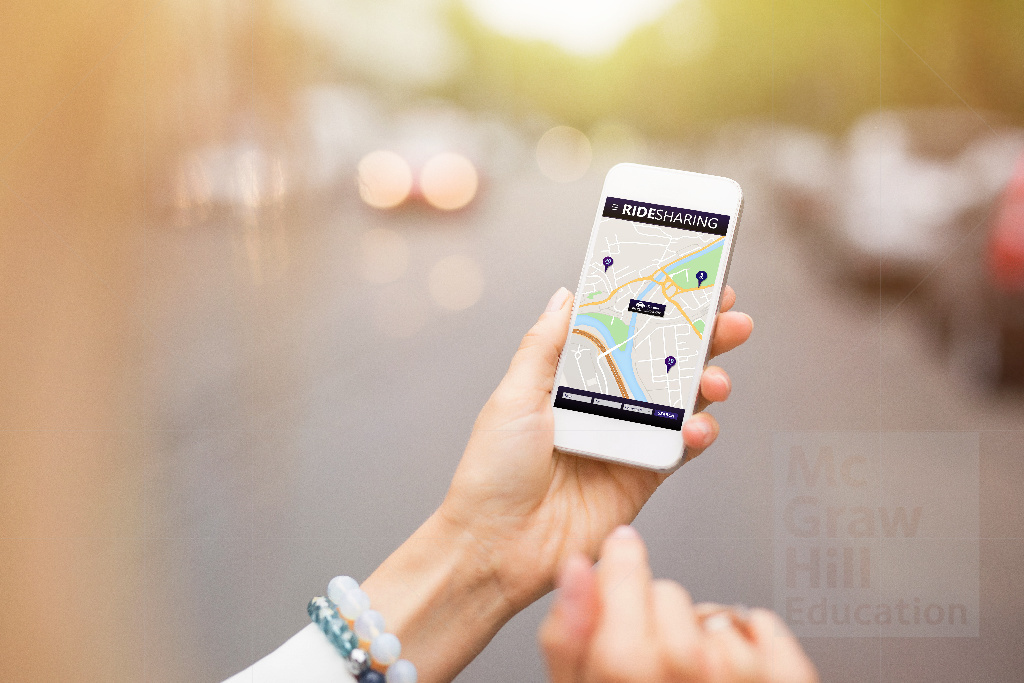
Have you been a ride share driver or delivered food for Uber eats? Have you worked as some other type of independent contractor? If the answer is yes to any of these questions, you’ve probably been part of the gig economy. The gig economy has blossomed in recent years as more people look for greater flexibility in their work schedules, seek extra work to make more money, or choose to work in situations where they are their own boss. Unlike traditional workers, gig workers choose when and where they work. Indeed, that simplicity has been what has defined the gig economy, making it different from more traditional workplaces.
Now, though, some gig workers, especially those working through ride-share apps, are looking to join unions, something that’s usually only associated with more traditional workplaces like the auto industry. Already, driven by high gas prices and competition from driverless taxis, some 50,000 Uber drivers in California have committed to joining the new California Gig Workers Union. The goal? To get protections that workers in the traditional workplace get such as minimum wage. Workers are also organizing in Massachusetts, and it’s expected that other states such as Illinois will follow. While different states mandate different protections, the common theme is to ensure that ride-share drivers are fairly compensated. So far, Uber and Lyft have said little about the move to organize. The union in California was part of a legislation package that reduced insurance costs for the companies. How the companies will react to efforts to unionize in other states remains to be seen.
Discussion Questions:
- Discuss what unions mean for workers. How will union participation help gig workers like the Uber drivers in California?
- What do unions mean for employers like Uber and Lyft? Do you see unions expanding into other areas within the gig economy? Explain.

