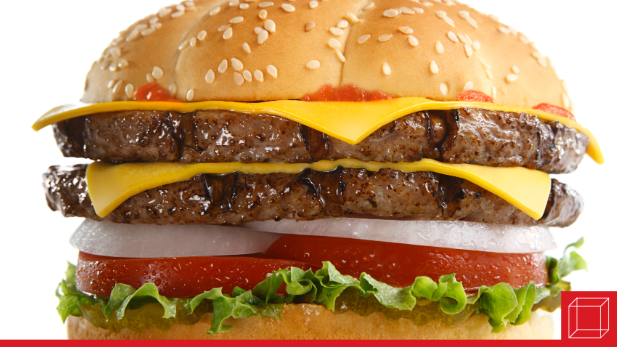
McDonald’s, Wendy’s and other U.S. chains are adapting their menus for Chinese consumers.
Tags
Blog
Article
Higher Education
Understanding Business
Chapter 1 Taking Risks & Making Profits
Chapter 3 Globalization
Chapter 5 Forms of Business Ownership
Chapter 6 Entrepreneurship
Chapter 13 Marketing
Chapter 14 Product & Price
Chapter 15 Distribution
Chapter 16 Place & Promotion
Branding
Entrepreneurship
Food & Drink
Pricing
Product Development
Product Distribution
Retail, Marketing and Advertising
Supply & Demand
Article Type: Blog
Share:
Some of America’s most familiar fast-food chains are making big bets on China. McDonald’s expects to have 10,000 restaurants in China by 2028, while Wendy’s plans to open as many as 1,000 over the next decade. Customers lined up in the rain for the first Church’s Texas Chicken to open in Shanghai, and Five Guys drew waits of more than two hours when it opened in Beijing. KFC has already shown just how far that expansion can go. The American chain now has about 13,000 restaurants in China, compared with roughly 3,750 in the United States. For these companies, expanding around the world offers a chance to find new customers far from home.
China is especially attractive to American fast-food chains because demand for easy, affordable meals is growing. And American companies are not the only ones chasing that opportunity. Burgers were once mainly a Western import, but Chinese restaurant companies are now jumping into the market, too. Hotpot chain Haidilao recently launched a new burger-focused chain, while Chinese coffee company M Stand has opened burger shops in some cities. Smaller households, busy schedules and cautious spending have helped make inexpensive meals more appealing for small families. One Beijing father explained why he regularly takes his son to McDonald’s between classes: “When you want food that's clean, quick and something children don't get bored of, nothing is better than a burger.”
As American fast-food companies expand in China, they are not simply selling Chinese customers the same food they sell at home. Companies study consumers in each country and change their businesses to fit local tastes. KFC restaurants in China serve Original Recipe chicken and french fries alongside egg tarts and congee, a savory rice porridge. Now some Chinese companies are facing the same challenge in reverse as they expand into American markets. Wallace built more than 20,000 restaurants in China by selling burgers and fried chicken, but it still had to adapt its chicken sandwich recipe for U.S. customers. Chinese fast-food companies including Mixue, Luckin Coffee and Heytea are also expanding here, putting American consumers on the other side of a global trend.
Questions:
Why are American companies expanding operations into China?
What sort of challenges do you think Chinese companies will face as they expand into American markets?
References:
Sophie Yu and Casey Hall, “From Coffee to Hotpot, Brands Race to Grab a Bite of China's Growing Burger Market,” Reuters, August 16, 2026; Dee-Ann Durbin and Chan Ho-Him, “Fast Food From the Us and China Catches on in Both Countries,” Associated Press, September 20, 2026.
Regional Page Available
It looks like you're outside the United States. Do you want to see your regional version of this page?
Education Topics/Courses/Understanding Business/Topics/Product Development
highered
2026-10-15T12:29:51.716Z
highered China’s Growing Appetite for American Fast Food McDonald’s, Wendy’s and other U.S. chains are adapting their menus for Chinese consumers. China’s Growing Appetite for American Fast Food McDonald’s, Wendy’s and other U.S. chains are adapting their menus for Chinese consumers. Tags Blog Article Higher Education Understanding Business Chapter 1 Taking Risks & Making Profits Chapter 3 Globalization Chapter 5 Forms of Business Ownership Chapter 6 Entrepreneurship Chapter 13 Marketing Chapter 14 Product & Price Chapter 15 Distribution Chapter 16 Place & Promotion Branding Entrepreneurship Food & Drink Pricing Product Development Product Distribution Retail, Marketing and Advertising Supply & Demand More Article Type: Blog October 14, 2026 Share: Some of America’s most familiar fast-food chains are making big bets on China. McDonald’s expects to have 10,000 restaurants in China by 2028, while Wendy’s plans to open as many as 1,000 over the next decade. Customers lined up in the rain for the first Church’s Texas Chicken to open in Shanghai, and Five Guys drew waits of more than two hours when it opened in Beijing. KFC has already shown just how far that expansion can go. The American chain now has about 13,000 restaurants in China, compared with roughly 3,750 in the United States. For these companies, expanding around the world offers a chance to find new customers far from home. China is especially attractive to American fast-food chains because demand for easy, affordable meals is growing. And American companies are not the only ones chasing that opportunity. Burgers were once mainly a Western import, but Chinese restaurant companies are now jumping into the market, too. Hotpot chain Haidilao recently launched a new burger-focused chain, while Chinese coffee company M Stand has opened burger shops in some cities. Smaller households, busy schedules and cautious spending have helped make inexpensive meals more appealing for small families. One Beijing father explained why he regularly takes his son to McDonald’s between classes: “When you want food that's clean, quick and something children don't get bored of, nothing is better than a burger.” As American fast-food companies expand in China, they are not simply selling Chinese customers the same food they sell at home. Companies study consumers in each country and change their businesses to fit local tastes. KFC restaurants in China serve Original Recipe chicken and french fries alongside egg tarts and congee, a savory rice porridge. Now some Chinese companies are facing the same challenge in reverse as they expand into American markets. Wallace built more than 20,000 restaurants in China by selling burgers and fried chicken, but it still had to adapt its chicken sandwich recipe for U.S. customers. Chinese fast-food companies including Mixue, Luckin Coffee and Heytea are also expanding here, putting American consumers on the other side of a global trend. Questions: Why are American companies expanding operations into China? What sort of challenges do you think Chinese companies will face as they expand into American markets? References: Sophie Yu and Casey Hall, “From Coffee to Hotpot, Brands Race to Grab a Bite of China's Growing Burger Market,” Reuters, August 16, 2026; Dee-Ann Durbin and Chan Ho-Him, “Fast Food From the Us and China Catches on in Both Countries,” Associated Press, September 20, 2026.
McDonald’s, Wendy’s and other U.S. chains are adapting their menus for Chinese consumers.
Branding, Pricing, Higher Education, Entrepreneurship, Blog, Understanding Business, Product Distribution, Chapter 1 Taking Risks & Making Profits, Chapter 16 Place & Promotion, Chapter 15 Distribution, Chapter 14 Product & Price, Supply & Demand, Chapter 13 Marketing, Article, Chapter 6 Entrepreneurship, Food & Drink, Chapter 5 Forms of Business Ownership, Retail, Marketing and Advertising, Chapter 3 Globalization, Product Development