
Consumers Lose Trust in Lettuce after Outbreak
The ripple effects of the cyclospora scare are spreading throughout the industry.
- Blog
- Article
- Higher Education
- Understanding Business
- Chapter 1 Taking Risks & Making Profits
- Chapter 2 Economics
- Chapter 4 Ethics & Social Responsibility
- Chapter 6 Entrepreneurship
- Chapter 9 Production & Operations Management
- Chapter 15 Distribution
- Branding
- Ethics
- Food & Drink
- Operations Management
- Product Distribution
- Supply Chains
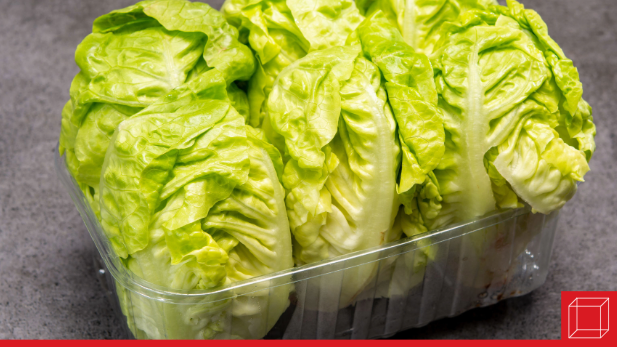
The lettuce industry was already facing challenges before a nationwide cyclospora outbreak hit a few months ago. Hot weather in Arizona, where about one-third of the nation's lettuce is grown, reduced supplies and pushed prices higher. Then federal health officials linked thousands of illnesses to shredded iceberg lettuce distributed through major food suppliers. Restaurant chains that depend on lettuce, such as Taco Bell and Chipotle, saw sales decline as customers stayed away while sales of packaged salads in grocery stores also dropped sharply. Many shoppers began looking for alternatives, buying lettuce from local farms, farmers' markets, and greenhouse growers instead. Some small farms reported selling out as worried consumers searched for products they believed were safer.
Food safety scares often affect far more businesses than those directly involved because consumers rarely have complete information. Many shoppers do not know where restaurants or grocery stores source their lettuce, making it difficult to tell which products are actually unsafe. Instead, people usually base their decisions on trust. Some stop buying an entire category, while others switch to businesses that seem more transparent about where their food comes from. Greenhouse grower Little Leaf Farms responded by showing customers how its lettuce is grown indoors and explaining why its growing methods protect against cyclospora contamination. The fast-casual chain Sweetgreen emphasized its ability to trace ingredients from restaurant to farm. Taco Bell has worked to reassure customers that it had removed the affected lettuce and acted quickly to address the problem.
The outbreak shows that trust can become a competitive advantage when uncertainty changes consumer behavior. Businesses that clearly explain their products, growing methods, or food safety practices may gain customers even if they were never connected to the original problem. Meanwhile, local farms and produce markets are benefiting as more consumers seek out nearby sources they feel they know better. Whether those new shopping habits continue after the outbreak ends remains an open question. Growers hope customers who discover higher-quality or locally grown produce will continue returning even after concerns about food safety begin to fade.
Questions:
What are some ways that companies are trying to reestablish trust with customers after the cyclospora outbreak?
Do you think consumers will continue to lose trust in the food industry due to safety scares like the cyclospora outbreak? Why or why not?
Julie Creswell, “Scared of Cyclospora, Consumers Turn to Local Lettuce,” The New York Times, August 6, 2026; Dee-Ann Durbin, “Between Prices and a Diarrhea-Causing Parasite, Lettuce Is Causing Hard Times at Some Restaurants,” The Associated Press, July 30, 2026.

