No More Free Riders: Ridership Plummets After Bus Route Begins Charging Fares
Charging fares reduces bus ridership, sparking questions on transit funding.
Tags
Blog
Article
Econ Everyday
Higher Education
Supply and Demand
Elasticity
Article Type: Blog
Share:
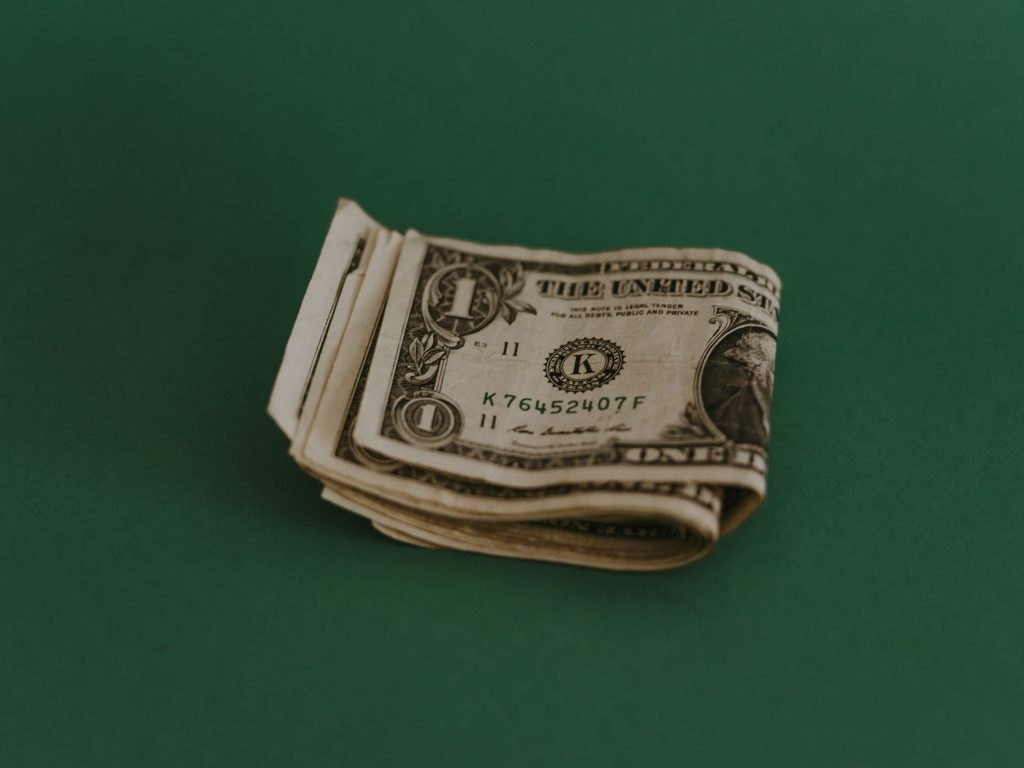
In October 2022 the Pinellas Suncoast Transit Authority (PSTA) launched its new Sunrunner bus service. The $44 million dollar project created a 10.3-mile route with dedicated bus lanes to shuttle passengers from downtown St. Petersburg, Fl to St. Pete Beach. To introduce the community to the new bus route, the PSTA offered the service free of charge for the first year. The new route broke records with riders in its first year. However, in October 2023, the PSTA began charging a fare of $2.25 per ride. In the months that followed, ridership decreased by nearly 40 percent. Prior to implementing the fare, the bus route was averaging around 90,000 riders per month. After the fare went into effect, that number fell to around 50,000 riders per month.
While administrators expected ridership to decline after the fare went into effect, they believe the numbers fell more than expected because they began charging fares earlier than planned. This led to some potential riders being unable to access the service since it does not accept cash payments for fares. They anticipate that ridership will increase as riders learn how to navigate the payment system, which allows for credit card payments or use of the PSTA’s Flamingo Fares card. Their optimism is based on the fact that many of the riders are using the bus as a substitute for driving their own vehicle, rather than riders who rely on the bus as their primary mode of transportation. While many people are put off by having to pay for something that used to be free, most will find that paying the bus fare is still less expensive and more convenient than parking at the beach.
Discussion Questions:
Use the midpoint method to calculate the price elasticity of demand if ridership decreases from 90,000 to 50,000 after the price goes from zero to $2.25. Is demand elastic or inelastic? What factors might determine this elasticity?
Discuss how elasticity changes between the short-run and the long-run. How does this compare to the administrators’ expectations that ridership will increase in the future?
Discussion Question for Environmental Economics [Env Econ Chapter 12, 18]:
Identify a positive externality associated with the consumer subsidy for the Sunrunner bus service. How does the fare change relate to the use of pollution charges to affect environmental impacts? Identify and discuss the implementation and removal of the subsidy from a social justice perspective.
Poultry prices rise as disease, feed costs, and demand challenge producers.
Regional Page Available
It looks like you're outside the United States. Do you want to see your regional version of this page?
Education Topics
Education Topics/Courses
Education Topics/Courses/Econ Everyday
Education Topics/Courses/Econ Everyday/Supply and Demand
Asset Format Type
Asset Format Type/Blog
Asset Format Type/Blog/Article
Education Topics/Courses/Econ Everyday/Elasticity
Business Unit
Business Unit/Higher Education
highered
2026-11-19T16:21:13.764Z
highered No More Free Riders: Ridership Plummets After Bus Route Begins Charging Fares Charging fares reduces bus ridership, sparking questions on transit funding. No More Free Riders: Ridership Plummets After Bus Route Begins Charging Fares Charging fares reduces bus ridership, sparking questions on transit funding. Tags Blog Article Econ Everyday Higher Education Supply and Demand Elasticity More Article Type: Blog February 01, 2024 Share: In October 2022 the Pinellas Suncoast Transit Authority (PSTA) launched its new Sunrunner bus service. The $44 million dollar project created a 10.3-mile route with dedicated bus lanes to shuttle passengers from downtown St. Petersburg, Fl to St. Pete Beach. To introduce the community to the new bus route, the PSTA offered the service free of charge for the first year. The new route broke records with riders in its first year. However, in October 2023, the PSTA began charging a fare of $2.25 per ride. In the months that followed, ridership decreased by nearly 40 percent. Prior to implementing the fare, the bus route was averaging around 90,000 riders per month. After the fare went into effect, that number fell to around 50,000 riders per month. While administrators expected ridership to decline after the fare went into effect, they believe the numbers fell more than expected because they began charging fares earlier than planned. This led to some potential riders being unable to access the service since it does not accept cash payments for fares. They anticipate that ridership will increase as riders learn how to navigate the payment system, which allows for credit card payments or use of the PSTA’s Flamingo Fares card. Their optimism is based on the fact that many of the riders are using the bus as a substitute for driving their own vehicle, rather than riders who rely on the bus as their primary mode of transportation. While many people are put off by having to pay for something that used to be free, most will find that paying the bus fare is still less expensive and more convenient than parking at the beach. Discussion Questions: Use the midpoint method to calculate the price elasticity of demand if ridership decreases from 90,000 to 50,000 after the price goes from zero to $2.25. Is demand elastic or inelastic? What factors might determine this elasticity? Discuss how elasticity changes between the short-run and the long-run. How does this compare to the administrators’ expectations that ridership will increase in the future? Discussion Question for Environmental Economics [Env Econ Chapter 12, 18]: Identify a positive externality associated with the consumer subsidy for the Sunrunner bus service. How does the fare change relate to the use of pollution charges to affect environmental impacts? Identify and discuss the implementation and removal of the subsidy from a social justice perspective. Sources| St. Pete Rising: https://stpeterising.com/home/2023/4/21/sunrunner-celebrates-record-ridership-announces-new-station-near-beach-drive-in-downtown-st-pete; Fox 13 News: https://www.fox13news.com/news/number-of-sunrunner-riders-drops-close-to-40-percent-after-fare-implemented; PSTA: https://psta.net/about-psta/projects/sunrunner/; Unsplash: Photo by Annie Spratt on Unsplash About the Author Michael Coon
Charging fares reduces bus ridership, sparking questions on transit funding.
Supply and Demand, Blog, Econ Everyday, Article, Elasticity, Higher Education