Weighing immigration against automation to address labor shortages in U.S. farming.
Tags
Blog
Article
Econ Everyday
Higher Education
Labor and Resource Markets
Agriculture Economics
Immigration
Costs and Production
Article Type: Blog
Share:
American agriculture has long depended on immigrant labor. Many of these workers are undocumented. In recent years, the US government has increased its immigration enforcement activity, identifying, arresting, and deporting large numbers of immigrant workers. As a result, many farmers and agriculture processors have faced labor shortages and rising wages. Moreover, gridlock over immigration legislation has left farmers uncertain of their ability to retain workers and find new workers in the future.
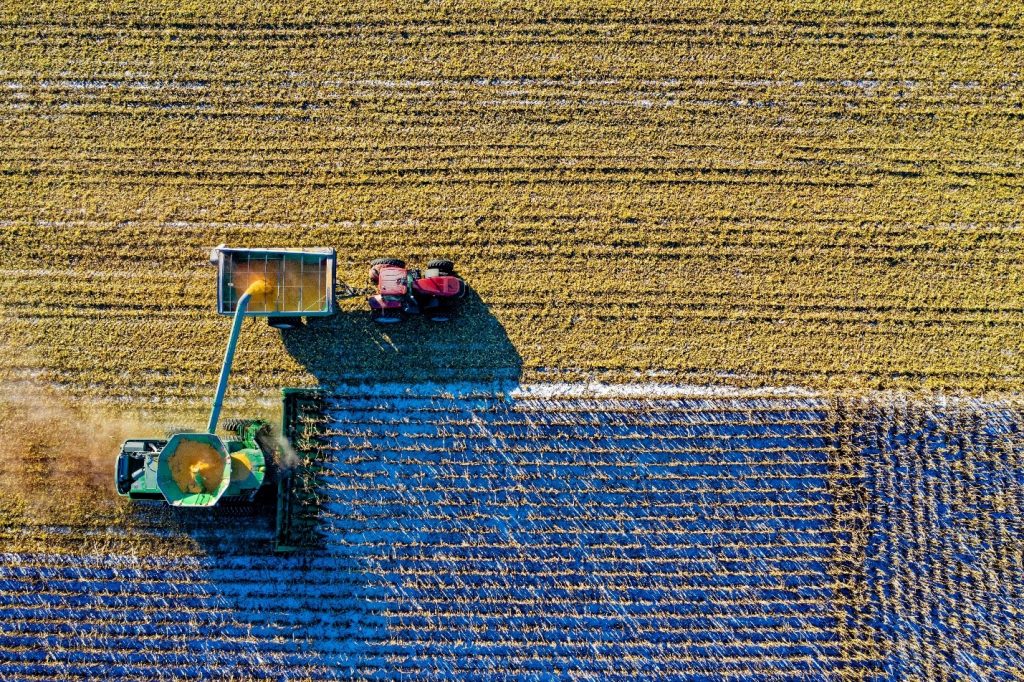
The uncertainty over the cost and availability of labor in the future has led many farmers to look to replacing labor with capital. Where the technology exists, farmers have already begun adopting more capital. The lettuce industry has replaced large numbers of workers with machines at every level of production, from planting to harvesting to cutting. Recent advances in artificial intelligence and high-speed computing have helped create machines unimaginable a decade ago, such as a machine that identifies and removes unripe tomatoes from the production line faster than the eye can see. Where the technology does exist, farmers have begun investing millions of dollars and partnering with tech companies to develop new technologies. Berry farmers have been working with several companies to develop machinery that can both identify ripe berries and pick them delicately enough to not damage them. Many in the agriculture industry worry that if we cannot fix our labor shortage problem through immigration reform, or develop the necessary technologies, farmers will be forced to change what they grow. This will likely make some foods either completely unavailable or very expensive.
Questions
Use a supply and demand model to show how a reduction in immigrant workers can lead to an increase in wages paid by farm owners.
A common argument made in opposition to increased immigration is that immigrants take jobs that would otherwise be filled by natives. However, in agriculture, farmers are usually unable to find native workers to take the jobs done by immigrants. Why might this be?
In addition to agriculture, many jobs can be automated to reduce the number of workers needed (for example, self-checkout machines at retail stores). Yet, many firms do not adopt these technologies. What are some of the reason behind the decision to choose human labor over capital?
About the Author
Michael Coon
Regional Page Available
It looks like you're outside the United States. Do you want to see your regional version of this page?
Education Topics
Education Topics/Courses
Education Topics/Courses/Econ Everyday
Education Topics/Courses/Econ Everyday/Labor and Resource Markets
Education Topics/Courses/Econ Everyday/Costs and Production
highered
2026-11-19T16:11:36.681Z
highered Immigration or Innovation in Agriculture? Weighing immigration against automation to address labor shortages in U.S. farming. Immigration or Innovation in Agriculture? Weighing immigration against automation to address labor shortages in U.S. farming. Tags Blog Article Econ Everyday Higher Education Labor and Resource Markets Agriculture Economics Immigration Costs and Production More Article Type: Blog January 16, 2020 Share: American agriculture has long depended on immigrant labor. Many of these workers are undocumented. In recent years, the US government has increased its immigration enforcement activity, identifying, arresting, and deporting large numbers of immigrant workers. As a result, many farmers and agriculture processors have faced labor shortages and rising wages. Moreover, gridlock over immigration legislation has left farmers uncertain of their ability to retain workers and find new workers in the future. The uncertainty over the cost and availability of labor in the future has led many farmers to look to replacing labor with capital. Where the technology exists, farmers have already begun adopting more capital. The lettuce industry has replaced large numbers of workers with machines at every level of production, from planting to harvesting to cutting. Recent advances in artificial intelligence and high-speed computing have helped create machines unimaginable a decade ago, such as a machine that identifies and removes unripe tomatoes from the production line faster than the eye can see. Where the technology does exist, farmers have begun investing millions of dollars and partnering with tech companies to develop new technologies. Berry farmers have been working with several companies to develop machinery that can both identify ripe berries and pick them delicately enough to not damage them. Many in the agriculture industry worry that if we cannot fix our labor shortage problem through immigration reform, or develop the necessary technologies, farmers will be forced to change what they grow. This will likely make some foods either completely unavailable or very expensive. Questions Use a supply and demand model to show how a reduction in immigrant workers can lead to an increase in wages paid by farm owners. A common argument made in opposition to increased immigration is that immigrants take jobs that would otherwise be filled by natives. However, in agriculture, farmers are usually unable to find native workers to take the jobs done by immigrants. Why might this be? In addition to agriculture, many jobs can be automated to reduce the number of workers needed (for example, self-checkout machines at retail stores). Yet, many firms do not adopt these technologies. What are some of the reason behind the decision to choose human labor over capital? About the Author Michael Coon
Weighing immigration against automation to address labor shortages in U.S. farming.
Labor and Resource Markets, Agriculture Economics, Higher Education, Immigration, Blog, Econ Everyday, Article, Costs and Production