Aldi Expands as Grocery Prices Continue to Rise
Consumers affected by inflation are flocking to value-focused brands.
- Higher Education
- Blog
- Article
- Understanding Business
- Chapter 1 Taking Risks & Making Profits
- Chapter 2 Economics
- Chapter 13 Marketing
- Chapter 14 Product & Price
- Chapter 15 Distribution
- Branding
- Food & Drink
- Pricing
- Product Development
- Product Distribution
- Retail, Marketing and Advertising
- Supply & Demand
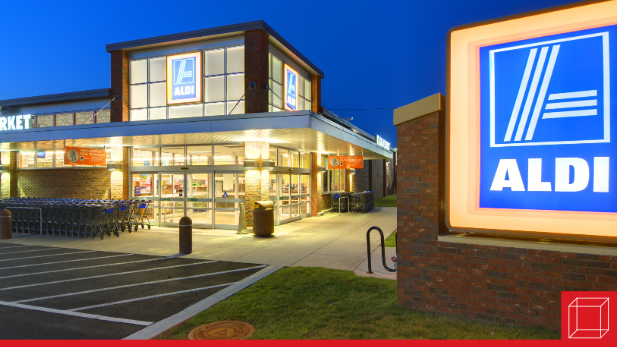
For years, the grocery chain Aldi has focused on one main goal: keeping prices as low as possible. The company does this by operating small stores, offering fewer products, and mainly selling its own private-label brands. This approach mostly attracted shoppers on tight budgets in the past, but higher food prices have changed that. Groceries cost significantly more than they did before the pandemic, even though overall inflation has slowed. With food prices 25 percent higher since 2020, many households have changed how they shop. Aldi’s low-price model now appeals to a much wider group of consumers.
Grocery shopping is one of the most direct ways households experience inflation. Because food is a regular and necessary purchase, even small price increases become noticeable over time. Items like meat, coffee, and eggs have seen sharp price swings, making weekly grocery bills harder to predict. In response, many Americans are adjusting their habits by cooking at home more often, switching to value grocery stores like Aldi, and choosing cheaper store brands instead of big names. This pattern, called “trading down,” helps shoppers manage higher costs by focusing more on price than brand loyalty. Importantly, these changes are not limited to low-income households. Inflation anxiety now affects consumers across income levels, reshaping everyday shopping decisions throughout the grocery aisles.
Aldi is responding by expanding quickly, betting that these changes in shopping behavior will continue. The company plans to open more than 180 new U.S. stores this year and has committed billions of dollars to growth through 2028. New distribution centers and hundreds of additional stores are meant to support shoppers looking for value. Many traditional grocery stores, by contrast, have higher costs and wider product selections, which makes competing on price more difficult. Aldi’s business model, built around keeping costs low, fits well in a market where price matters more than ever.
Questions:
Why are many consumers switching to value-oriented grocery stores like Aldi?
What are some advantages and disadvantages that Aldi has over traditional grocery stores?