Kraft Loses Its Grip on Mac and Cheese
Competitors are winning market share from the classic brand.
- Higher Education
- Blog
- Article
- Understanding Business
- Chapter 1 Taking Risks & Making Profits
- Chapter 6 Entrepreneurship
- Chapter 13 Marketing
- Chapter 14 Product & Price
- Chapter 15 Distribution
- Chapter 16 Place & Promotion
- Branding
- Entrepreneurship
- Food & Drink
- Product Development
- Product Distribution
- Retail, Marketing and Advertising
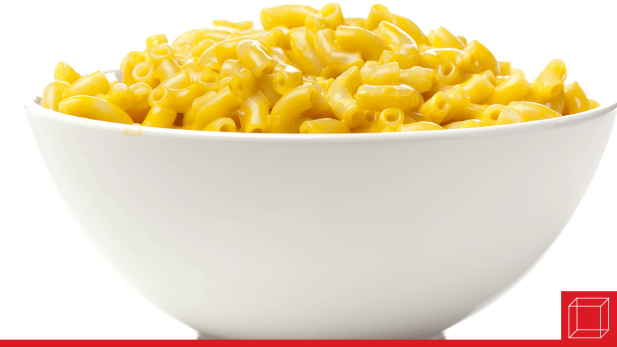
For decades, Kraft mac and cheese felt like a permanent fixture of the American grocery store. Introduced during the Great Depression and popularized during World War II, it became a default dinner for families, college students, and anyone looking for something cheap and familiar. At its peak, Kraft Heinz sold more than a million boxes a day, and the blue-and-orange packaging came to define the entire category. That dominance made mac and cheese seem untouchable, even as food trends shifted and shoppers grew more interested in products marketed as healthier, fresher, or more premium. But in recent years, Kraft’s hold on the category has quietly loosened. While it remains the top seller, its market share has slipped as competitors chip away at what was once near-total control.
As Kraft Heinz thought about how to update its flagship product, other brands began to fill the gaps it left open. Upscale newcomer Goodles entered the market with protein-boosted noodles, bolder flavors, and branding aimed at adults rather than children. At the same time, private-label products from retailers like Walmart attracted cost-conscious shoppers. Inside Kraft Heinz, employees flagged the need for updates — more protein, new flavors, higher-quality ingredients — but decisions dragged on for years. While executives hesitated over changing a billion-dollar product, competitors moved faster. By 2025, Goodles had captured a meaningful share of the market, and Kraft mac and cheese had lost ground to both premium challengers and cheaper store brands.
The slowdown reflects a broader challenge facing legacy food companies that built their success on scale and consistency. Products that once benefited from familiarity now have to compete in a market where shoppers expect even basic foods to signal better ingredients or added nutrition. The mac and cheese aisle no longer belongs to one brand by default. Instead, it has become a crowded space where nostalgia alone isn’t enough to hold attention, and long-standing leaders have to work harder just to keep pace.
Questions:
What are some reasons why Kraft mac and cheese lost market share to competitors?
Do you think Kraft should change its mac and cheese to match consumers’ current tastes? Why or why not?