Moving Beyond the Science of Reading to the Science of Literacy in a Next-Gen Literacy Curriculum

A Closer Look at McGraw Hill Literacy, now available for grades K–12

As classrooms evolve, teachers adapt their practices and priorities. And as research continues to expand our understanding of how students learn, curriculum and learning tools must evolve as well.

In this ongoing series, we take you behind the scenes with the experts who create our programs to explore updates to existing products, new technology integrations, and brand-new innovations.

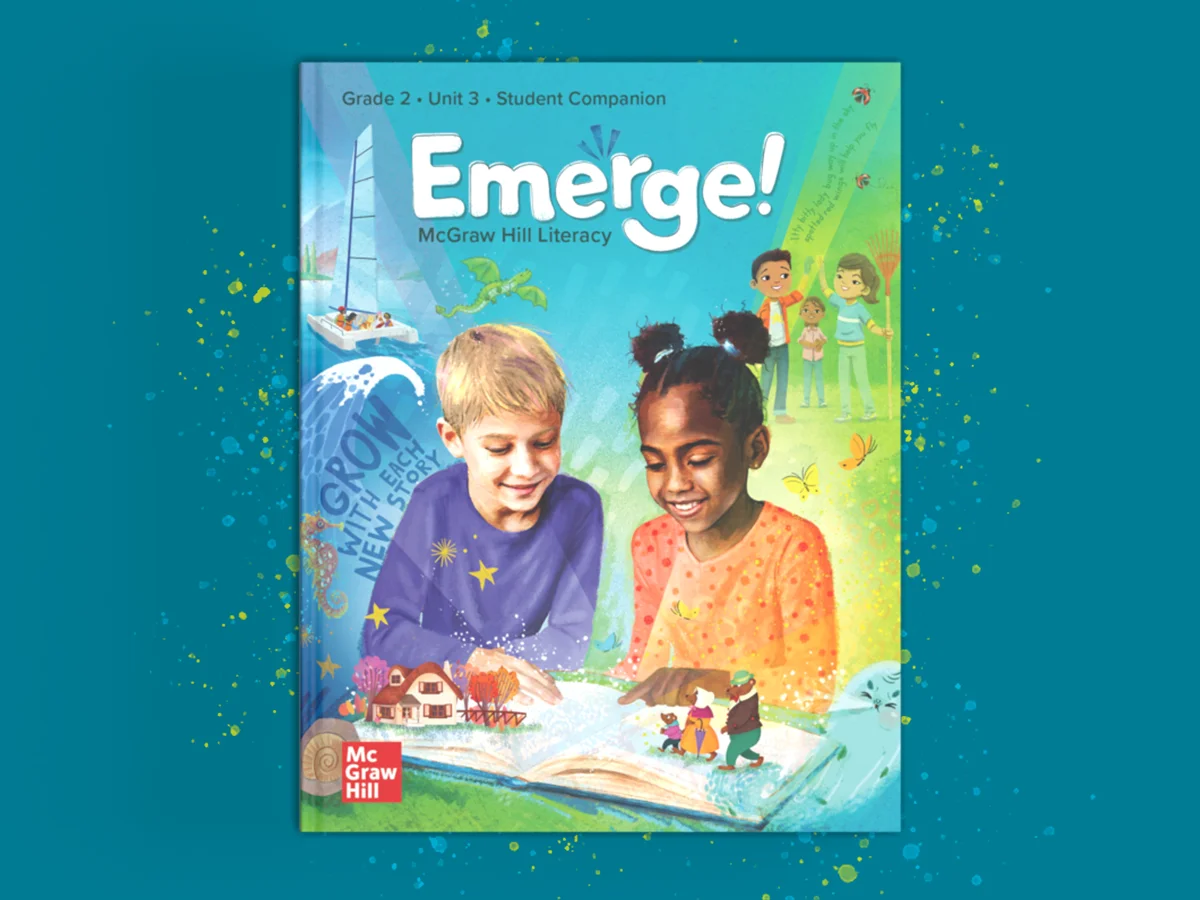
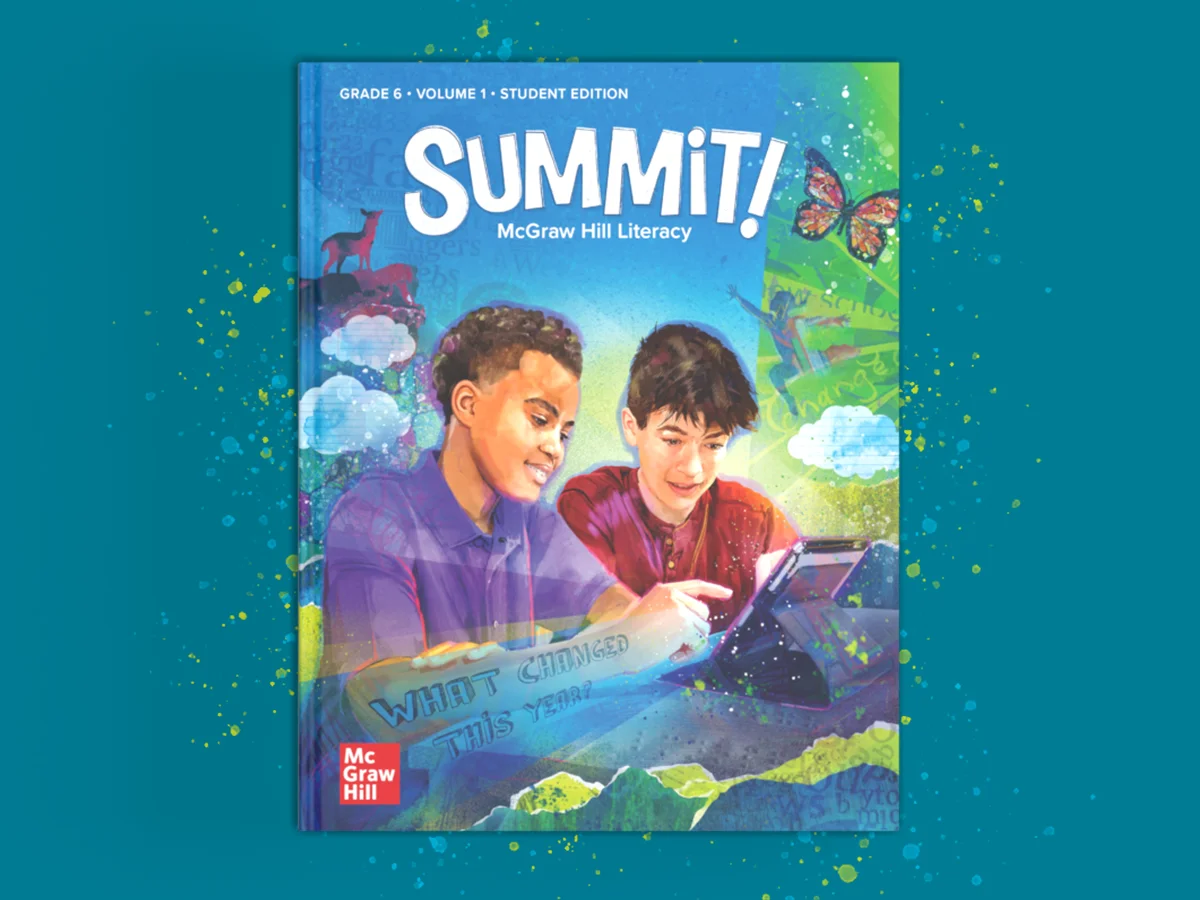
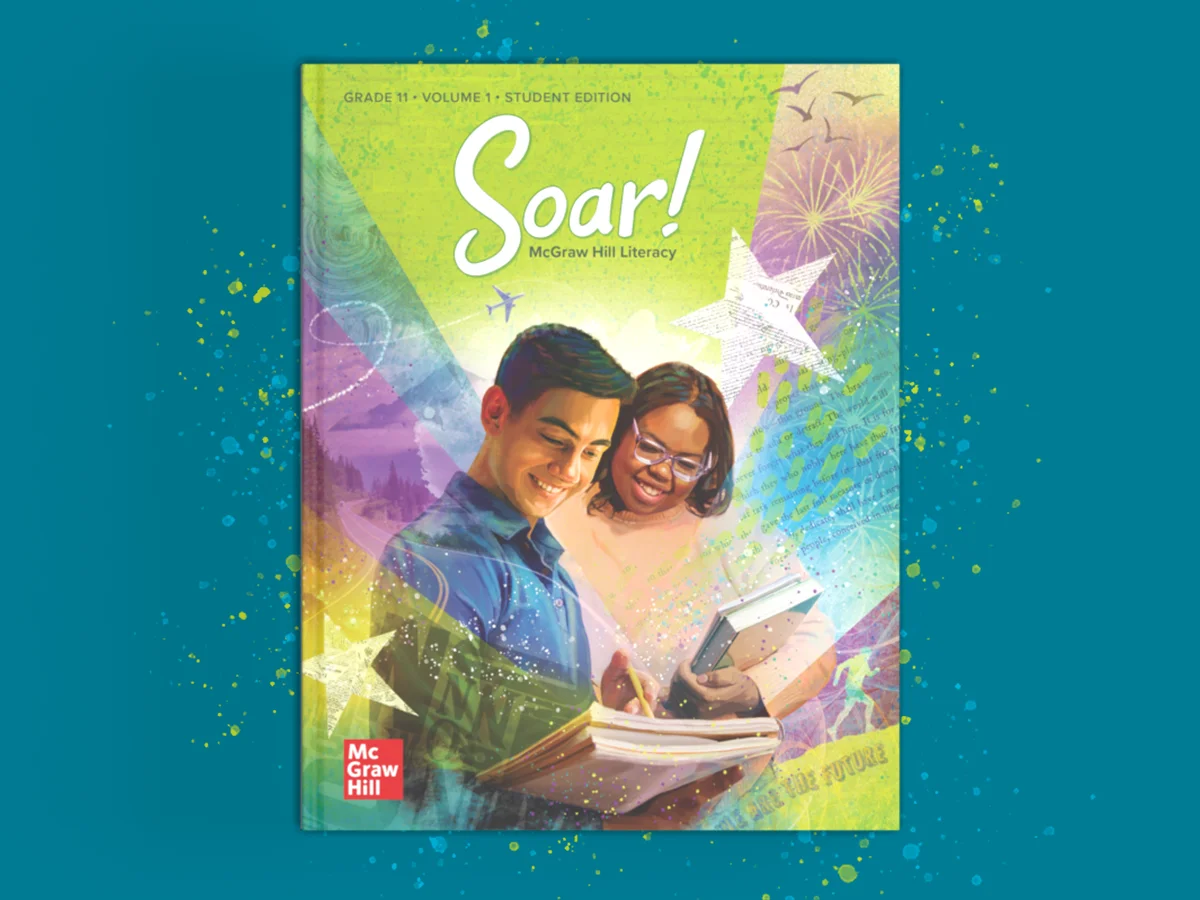
Today, we’re taking a closer look at Emerge! (K–5), Summit! (6–8), and Soar! (9–12), collectively known as McGraw Hill Literacy, the first literacy suite from McGraw Hill designed to support students from kindergarten through graduation.

What is the Science of Literacy?

To understand McGraw Hill Literacy, it's important to first understand the Science of Literacy.

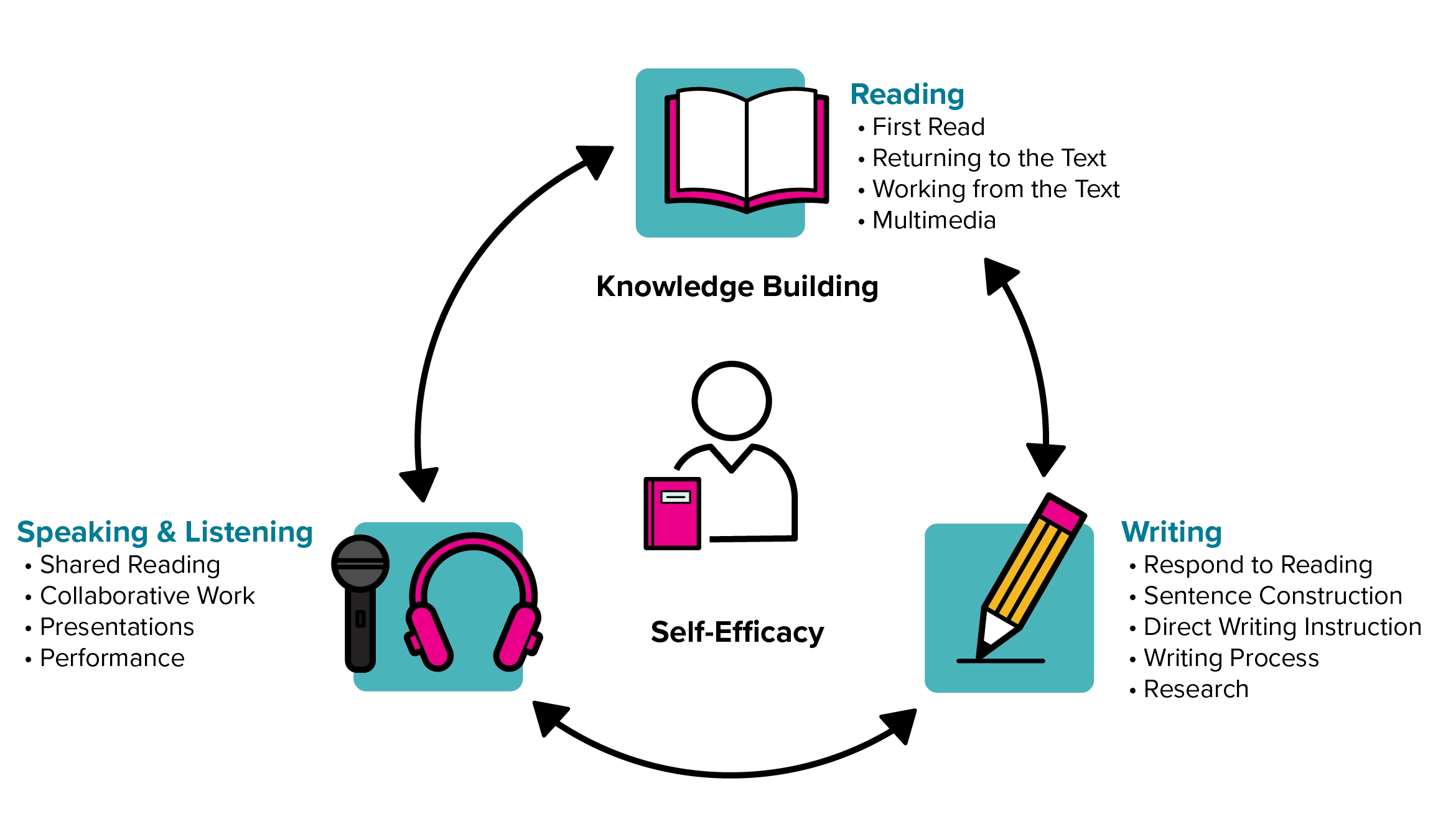
For several years, the Science of Reading has been dominating the national conversation about literacy, with phonics at its center. But as research and knowledge continue to evolve, we at McGraw Hill have been thinking and creating through the lens of the Science of Literacy, a phrase that encompasses the Science of Reading, the Science of Writing, and Knowledge Building more broadly. Because together, these bodies of research unlock the wide array of interrelated skills needed to build strong readers, writers, and thinkers. The more you write, the better you read, the more you understand.

A core literacy program isn’t complete if it only addresses reading. It must support the interwoven strands of literacy development that connect spoken language to fluent, critical reading, listening, and expressing knowledge through writing and speaking.

How does the Science of Literacy come to life in McGraw Hill Literacy

Amy Schmidt, Director of Academic Design who worked on K–2 Emerge!, tells us,

“There’s equal weight in our instructional model placed on reading, writing, and knowledge building.”

The Science of Literacy is embedded in the scope and sequence of the program – and in every instructional moment, every assignment, every text, and every assessment in McGraw Hill Literacy.

The full K–12 experience is intentionally designed so that each grade level builds on what came before while preparing students for what comes next. Nicole Franks, Vice President of Product Management who led development of all three programs, describes the progression:

“Students using Emerge!, Summit!, and Soar! experience a very intentional increase in rigor, complexity, and standards coverage throughout their K–12 literacy journey.”

Here are just a few ways McGraw Hill Literacy capitalizes on what we know about the Science of Literacy to help students become better readers, writers, and thinkers:

Consistent Pedagogy and Student Experience Across the K–12 Literacy Journey

Students using the full McGraw Hill Literacy suite encounter consistent, scaffolded pedagogy, technology, tools, and instructional routines from kindergarten through graduation.

Paul Rogers, Director of Academic Design specializing in grades 3–5 of Emerge!, highlights the role of the programs’ shared authorship:

“Three of our authors, Dr. Fisher, Dr. Shanahan, and Dr. Graham, worked across all three programs. Their involvement ensures continuity and meaningful, developmentally appropriate progression across grades.”

For example, Dr. Graham’s widely respected approach to writing instruction appears throughout the K–12 experience. Students who engage with that approach across their entire schooling are sure to become strong, confident writers.

The programs also benefit from authors with interdisciplinary expertise. Dr. Wright, for example, has deep experience in science curriculum development, while Dr. Colleary is also a social studies author – both are Emerge! authors. Their expertise strengthens the program’s knowledge-building components.

Instructional tools are also designed to grow with students. For example, in the elementary grades, writing instruction includes frequent opportunities for peer and teacher feedback, embedded within lessons. But in middle and high school, students can also access Writing Assistant, an AI-driven tool that provides personalized feedback throughout the writing process.

Students don’t just experience consistency in instruction. They also embark on a 12-year journey of discovering a love for reading.

Nicole Franks explains:

McGraw Hill Literacy features a bounty of rich, relevant texts across a variety of genres, with a gradual increase in complexity and sophistication.”

Students read full novels in middle and high school, available in print or digital formats. Teachers also have the flexibility to incorporate their own favorite novels through a structured novel study framework. In Emerge!, teachers will find bibliographies recommending additional novels that connect to unit topics and enrich the knowledge build.

Building Strong Reading Foundations in Emerge!

Emerge! positions students for success with an evidence-based approach to foundational reading skills in K–5. Amy Schmidt explains:

“Throughout K–2, we have a scope and sequence that follows the practices of structured literacy. Students get explicit instruction in sound-spellings and high frequency words and then apply those concepts in a decodable reader that includes only sound-spellings and high frequency words that they have learned up until that point. Lessons are designed to ensure teachers get immediate insight into students’ ability to seamlessly, fluently apply their knowledge in connected text.”

Paul Rogers expands on how that foundation evolves in later grades:

“In grade 3, we’re paying a great deal of attention to foundational skills to make sure students have that base. Teachers will notice an early transition to higher level word analysis skills, such as morphology and word structure, to prepare students for grade 3. By the end of grade 3, our expectation is that students have cracked the code and are really using their brainpower for comprehension. But we know that there will be some students in grade 4 or 5 who still need support, which is why we’ve built in differentiation with focus groups.”

Teachers in grades 6–12 will not find phonics instruction in Summit! or Soar!. This reflects an important principle: older students who still need foundational skills support deserve both access to grade-level instruction and intensive intervention. Support for foundational skills in the upper grades transitions to embedded scaffolds and point of use differentiation within the grade level activities. Word analysis continues with a focus on morphology and direct connection to spelling and writing.

You can learn more about our approach to foundational reading skill intervention in grades 6–12 here.

Amy Schmidt summarizes the goal:

“Teachers can feel confident that by the time their students grow out of Emerge!, they’ll have the foundational reading and writing skills and the knowledge they need to access the rigorous, complex work in Summit! and Soar!

Evidence-Based Writing Instruction That Grows with Students

Strong writing instruction requires time, structure, and intentional progression.

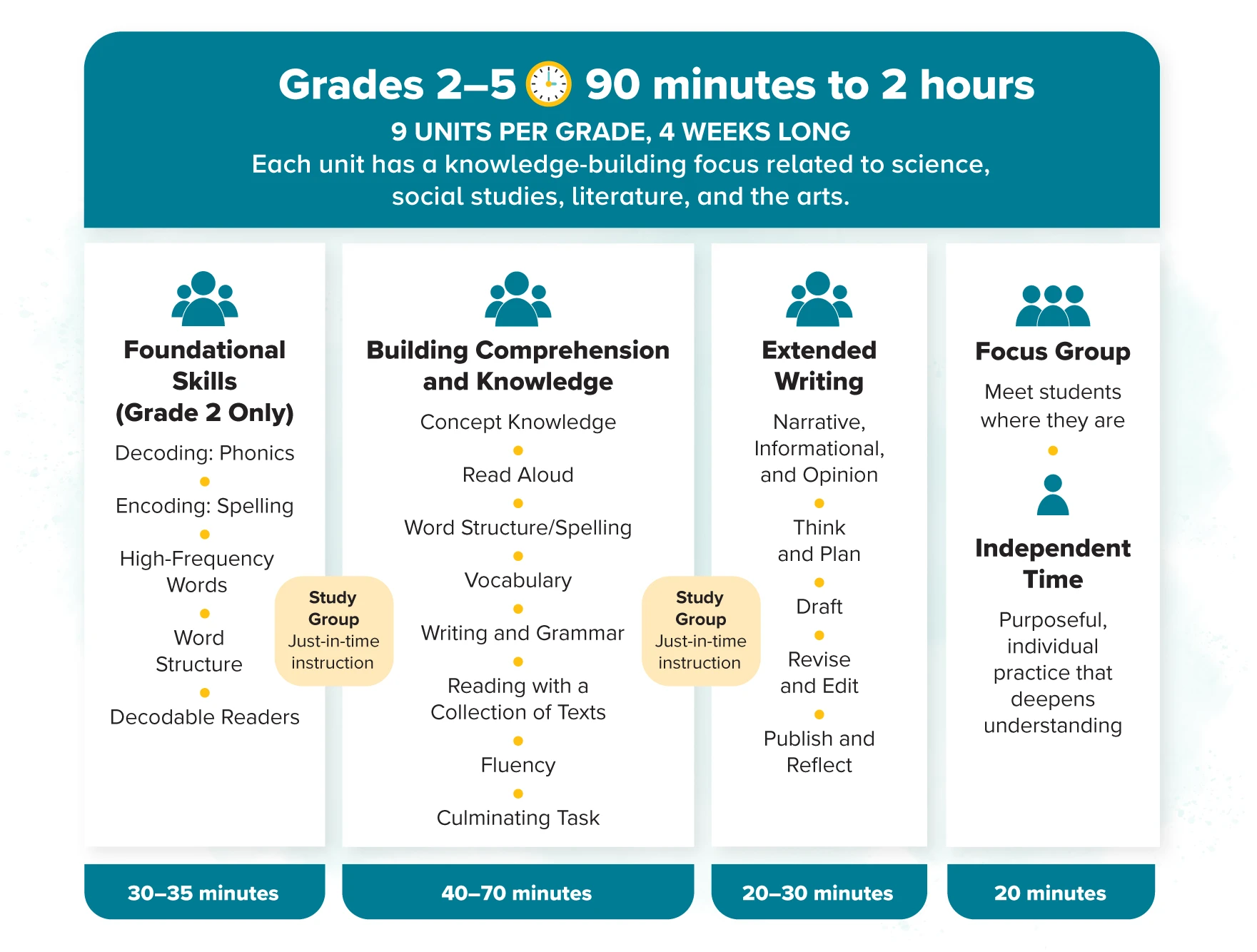
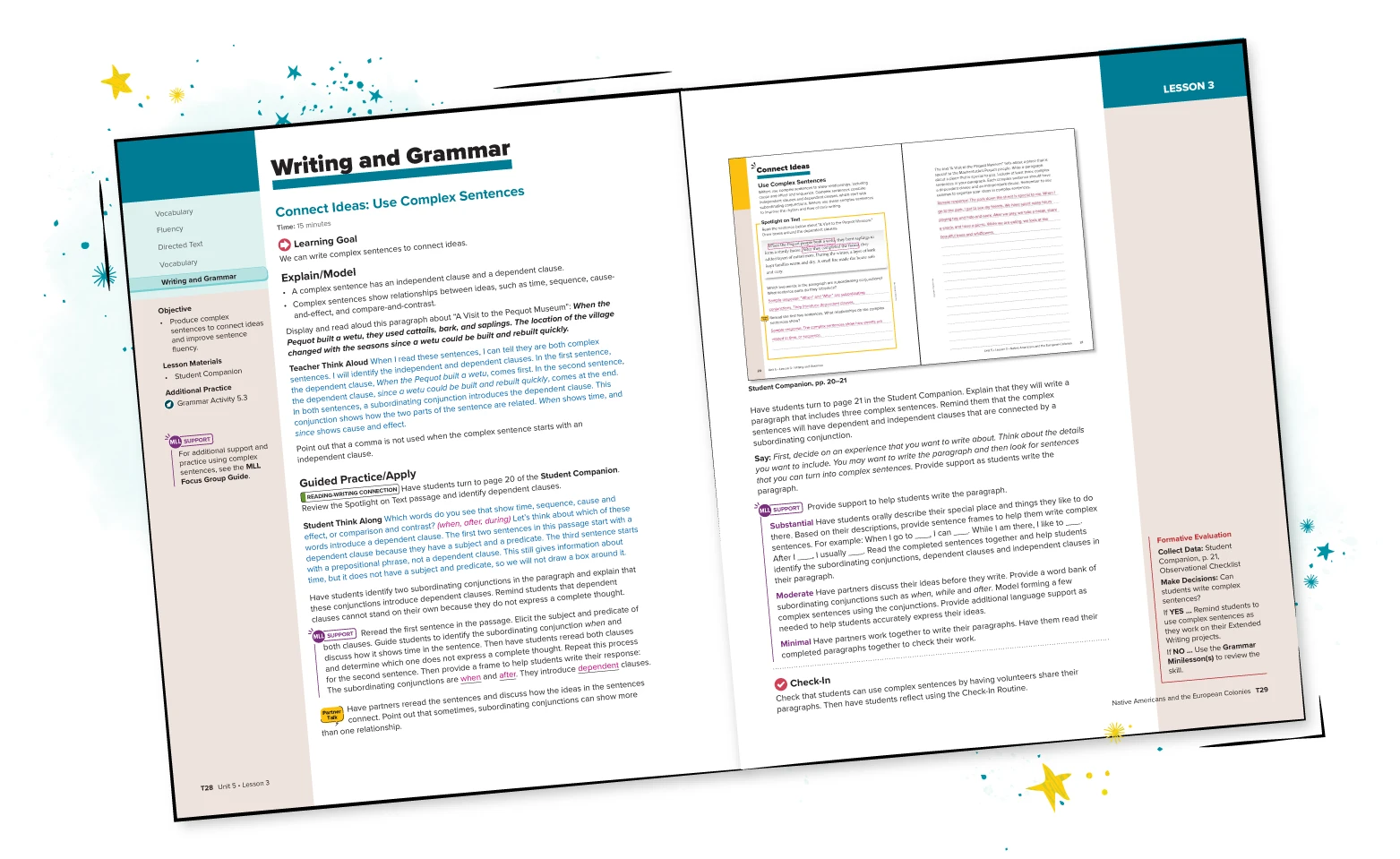
Clear, repeatable routines, direct instruction, and modeling are pedagogical hallmarks of Emerge!. For example, in K–2, the writing block focuses on sentence construction and paragraph construction, and teachers will find plenty of support in what they should model and how they can think aloud about the writing process.

Amy explains:

“All of this careful sequencing and modeling is in service of that grade 3 milestone: We’ve built the instructional models to grow, so that by grade 3, students can hit the ground running.”

In grades 3–5, students should continue developing foundational compositional skills. As Paul Rogers notes:

“Students need those basic compositional skills. We should be teaching them how to write a good sentence and how to string sentences together into a coherent paragraph. In grades 2–5, there are two writing strands: extended writing for longer projects and foundational writing skills instruction linked to the texts students are reading in the student companions.”

Across all grade levels, writing instruction increases in task complexity and sophistication. Nicole Franks puts in this way:

“We start with the writing process in kindergarten, and process-based writing in grade 1. In the digital writing experience, students will have scaffolds in the form of framed writing. The genres of writing don’t change – first graders and seventh graders could both be working on persuasive writing, for example. What does change across grade levels is the students’ ability to use figurative language, their command of voice and tone, and all the other elements of writing. Just like reading, the rigor and complexity of instruction build off previous learning as our students become more skilled.”

Building Knowledge and Comprehension

Emerge!, Summit!, and Soar! are knowledge building programs, meaning that units are structured around topical text sets so students develop disciplinary knowledge while strengthening literacy skills.

Amy describes what this looks like in Emerge!:

“In the knowledge building block, the instruction is direct, modeled, and focuses on applying comprehension skills and listening comprehension skills in complex, grade-level texts, then practicing written responses to reading. All the texts students read (and read-aloud texts) are aligned to the unit’s knowledge build topic. This allows students to deeply practice their comprehension skills and have something authentic to write about, because they are building true knowledge about something they’ll need to know in other subjects – and in life.”

Our wide range of internal expertise across disciplines helped us closely align with social studies and science. Paul explains:

“We have nine vertically aligned topics that reoccur across grades: three literature, three science, and three social studies. We worked very closely with our colleagues in the social studies and science departments at McGraw Hill to understand what those topics should be based on what’s taught in grade-level curriculum across the country. They helped us identify the knowledge worth knowing.”

Knowledge built in Emerge! is designed to serve students well in Summit and Soar!. Amy goes on to say:

“The foundational knowledge from the science and social studies topics in Emerge! will set students up to be successful in middle school, where we start to see standards shift to how to write within those domains. Students are using domain-specific authentic texts to both build literacy skills and to build knowledge – so when it comes time to read and interpret a primary source in history or write a lab report, students can draw on their foundational knowledge from K–5 to read, write, and think like a scientist or a historian.”

McGraw Hill Literacy’s approach to comprehension isn’t limited to knowledge building. The program authors emphasized to our internal teams that students must build knowledge and comprehension. It’s a dual focus, not just on knowledge for knowledge’s sake, but also on making sure students are sharpening their comprehension skills and strategies.

Progressing from Disciplinary Topics to Big-Picture Themes

You may have heard the phrase “learning to read and then reading to learn.” McGraw Hill Literacy supports that progression but also goes deeper.

Nicole Franks puts it this way:

“In the transition from primary to secondary grades, we want students to move from building knowledge about topics to thinking critically about themes. In Emerge! K–2, teachers will notice an intentional learning progression focused on foundational skills, vocabulary, and language development. In Emerge! 3–5, students continue building knowledge about topics that are worth studying and thinking critically about them. Finally, in Summit! and Soar!, we transition from a focus on topical knowledge to a focus on thematic connections, where students are challenged to draw upon their knowledge and literacy skills to take on the work of inquiring, analyzing, synthesizing, and reflecting on complex ideas across texts and genres.”

Each thematic unit is aligned with grade-level standards and balances foundational skill-building with advanced literacy instruction.

Grade 6

Grade 7 Unit Themes

Unit 1

Unit 2

Stories of Change

Unit 3

Unit 4

The Power of Change

Unit 5

Unit 6

Changing Perspectives     

Unit 7

Unit 8

A Change of Scene

Grade 7

Grade 7 Unit Themes

Unit 1

Unit 2

The Choices We Make

Unit 3

Unit 4

What Influences My Choices?

Unit 5

Unit 6

Choices and Consequences        

Unit 7

Unit 8

How We Choose to Act

Grade 8

Grade 7 Unit Themes

Unit 1

Unit 2

The Challenge of Heroism

Unit 3

Unit 4

The Challenge of Utopia

Unit 5

Unit 6

The Challenge to Make a Difference      

Unit 7

Unit 8

The Challenge of Comedy

Grade 9

Grade 7 Unit Themes

Unit 1

Unit 2

It's All in the Details

Unit 3

Unit 4

Word Play

Unit 5

Unit 6

Prove It!

Unit 7

Unit 8

Setting the Scence

Grade 10

Grade 7 Unit Themes

Unit 1

Unit 2

Making the Case

Unit 3

Unit 4

Persuasive Fiction

Unit 5

Unit 6

Join the Conversation  

Unit 7

Unit 8

Universal Themes

Grade 11

Grade 7 Unit Themes

Unit 1

Unit 2

The American Dream

Unit 3

Unit 4

The Power of Persuasion

Unit 5

Unit 6

American Forums 

Unit 7

Unit 8

An American Journey

Grade 12

Grade 7 Unit Themes

Unit 1

Unit 2

Perception is Everything

Unit 3

Unit 4

The Collective Perspective

Unit 5

Unit 6

Evolving Perspectives

Unit 7

Unit 8

Creating Perspectives

The goal is to help students become learners who can confidently gather knowledge, connect it to what they already know, and apply it in new contexts – all within their own authentic voice, in a way that gives them agency in the world.

Fostering Belonging and Self-Efficacy

Finally, personalization, student choice, and representative texts build self-efficacious learners who know they belong at school.

We believe every student deserves access to grade-level instruction. We also believe that teachers deserve easy to implement, data-driven differentiation tools to get their students up to grade-level.

McGraw Hill Literacy’s assessment and differentiation are designed with an asset-based approach in mind, meeting students where they are while honoring what they know and giving them what they need to know next. In Emerge!, teachers can use Study Groups, a flexible small-group instructional model with suggested student groupings. In Summit! and Soar!, personalization is enabled through the recommended activities in the student digital experience. Both are informed by student progress data across assessments and digital activities, and both will empower teachers to foster confidence in their learners.

Nicole Franks explains the broader goal:

“Beyond helping students become readers, writers, and thinkers, McGraw Hill Literacy was designed to build self-efficacy and foster belonging. We want to encourage an awareness of one’s place in the world and a sense of agency to make an impact.”

Students should see themselves and their communities in the texts they read in school. They should have opportunities for choice – whether that’s a choice to participate in Study Group today or a choice of which learning task they’d like to complete next from their Missions Playlist. To build self-efficacy, we carefully design scaffolded opportunities for choice: in early grades, students have fewer and less complex choices than in later grades.

We also want students to see their progress and understand the relevance of their work, so we offer student-friendly visualizations of student progress data, also scaffolded for developmental appropriateness. 

The Future of Literacy Is Here

McGraw Hill Literacy wasn’t just designed to build literacy skills and knowledge, or even just to foster a love for reading and writing. It was designed to empower students to walk through every door literacy opens for them  – to emerge as readers and writers, to summit new challenges, and to soar to their full potential.

Where will literacy take your students?

Top