BBQ Is Not Supposed to Be This Tough
Supply and demand are in action as rising beef prices are forcing BBQ restaurants to decide whether to keep brisket on their menus or search for lower-cost alternatives.
- Higher Education
- Article
- Econ Everyday
- Supply and Demand
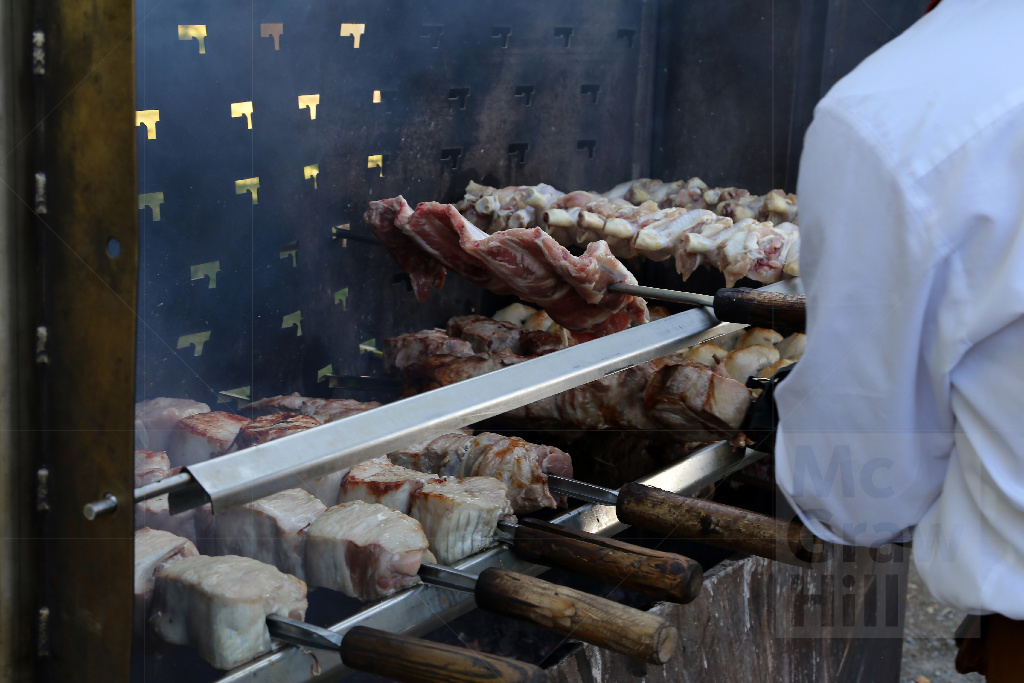
Over the past year, beef prices have risen by 6 percent and are expected to continue rising even more in the next few months. With beef prices rising, restaurant owners are being forced to make some tough decisions. If they pass the higher prices on to consumers, their customers might be upset and stop dining there. But if they don’t raise their prices, then their profit margins decline and they might end up going out of business.
This is a particular challenge in Texas, where beef brisket is a staple on BBQ restaurants’ menus. One restaurant in Sinton, Texas is looking toward a third option: take beef brisket off the menu altogether. Given that demand in a small town can be somewhat unpredictable, the owners decided it wasn’t worth the risk of cooking a day’s worth of brisket only to have customers not buy it and let it go to waste. Instead, they are focusing their BBQ efforts on other meats like pork and chicken, hoping their customers will opt for ribs and sausage instead.
Of course, many customers were upset to hear the news. So, as an option for those who still want to pay the higher price to get their brisket fix, they will have to pre-order and pre-pay so that the owners know all the brisket they prepare is guaranteed to be sold. Not an ideal situation, but after all, the art of BBQ is turning tough cuts into great meals.
Discussion Questions:
- Use a supply and demand model to show how the rising price of beef affects the equilibrium price and quantity of BBQ brisket.
- If beef and pork are substitutes, how does rising beef prices affect the equilibrium price of pork?