Coca-Cola to Sell Cane Sugar Colas in the U.S.
Starting this fall, Coca-Cola will introduce a new version of Coke that will be made with cane sugar in the United States.
- Higher Education
- Article
- Econ Everyday
- Costs and Production
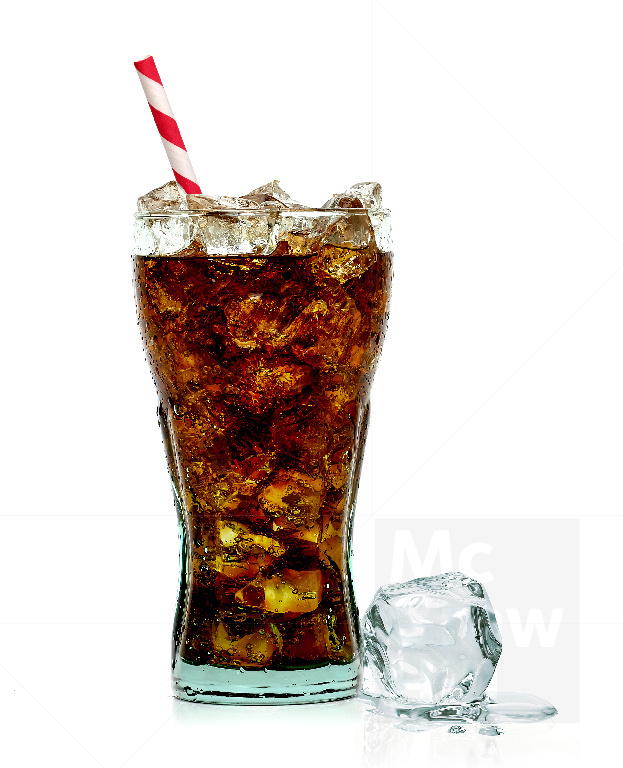
Starting this fall, Coca-Cola will introduce a new version of Coke that will be made with cane sugar in the United States. Since the 1980s, Coke has been using high-fructose corn syrup to sweeten their soda, in part because of trade restrictions making the import of sugar from other countries a more expensive resource than the corn-based alternative produced domestically. However, the company still uses cane sugar in some of their other markets like Mexico. So why the switch now? It is true that the use of high-fructose corn syrup has been blamed for obesity and chronic disease. However, according to research, the use of cane sugar is not a healthier option than using high-fructose corn syrup. Instead, it seems that Coke’s decision-making process has more to do with economics than anything else.
For the past decade, “Mexican Coke” has become more popular in the U.S. Major companies like Costco and Target are stocking their shelves with the cane sugar version of the beverage. They took the lead after noticing that more bodegas and restaurants were selling Mexican Coke to cater to their Hispanic clientele. In a recent statement from Coke, the new product offering is designed to complement the company’s current beverage portfolio. They want to offer more choices across both occasions and preferences, thereby ensuring that every consumer can find exactly the Coke they prefer. The decision to produce sugar cane Coke directly to the U.S. market should also reduce the costs of sending “Mexican Coke” to U.S. consumers.
The new product announcement comes after President Trump recently posted on his social media about the company using “REAL Cane Sugar” in its U.S. soda.
Discussion Questions:
- What is the motivation behind Coca-Cola’s decision to sell coke made with cane sugar in addition to selling coke made with high-fructose corn syrup? Explain.
- Most consumers who drink soft drinks such as Coke or Pepsi are well aware of the health concerns they pose. Discuss why there is still such a high demand for soft drinks, and if you think healthier soft drink options would reduce this demand.