
It’s In The Can
Packaging innovations and challenges in the canned goods industry.
- Blog
- Article
- Econ Everyday
- Higher Education
- International Trade and Finance
- Costs and Production
- Supply and Demand
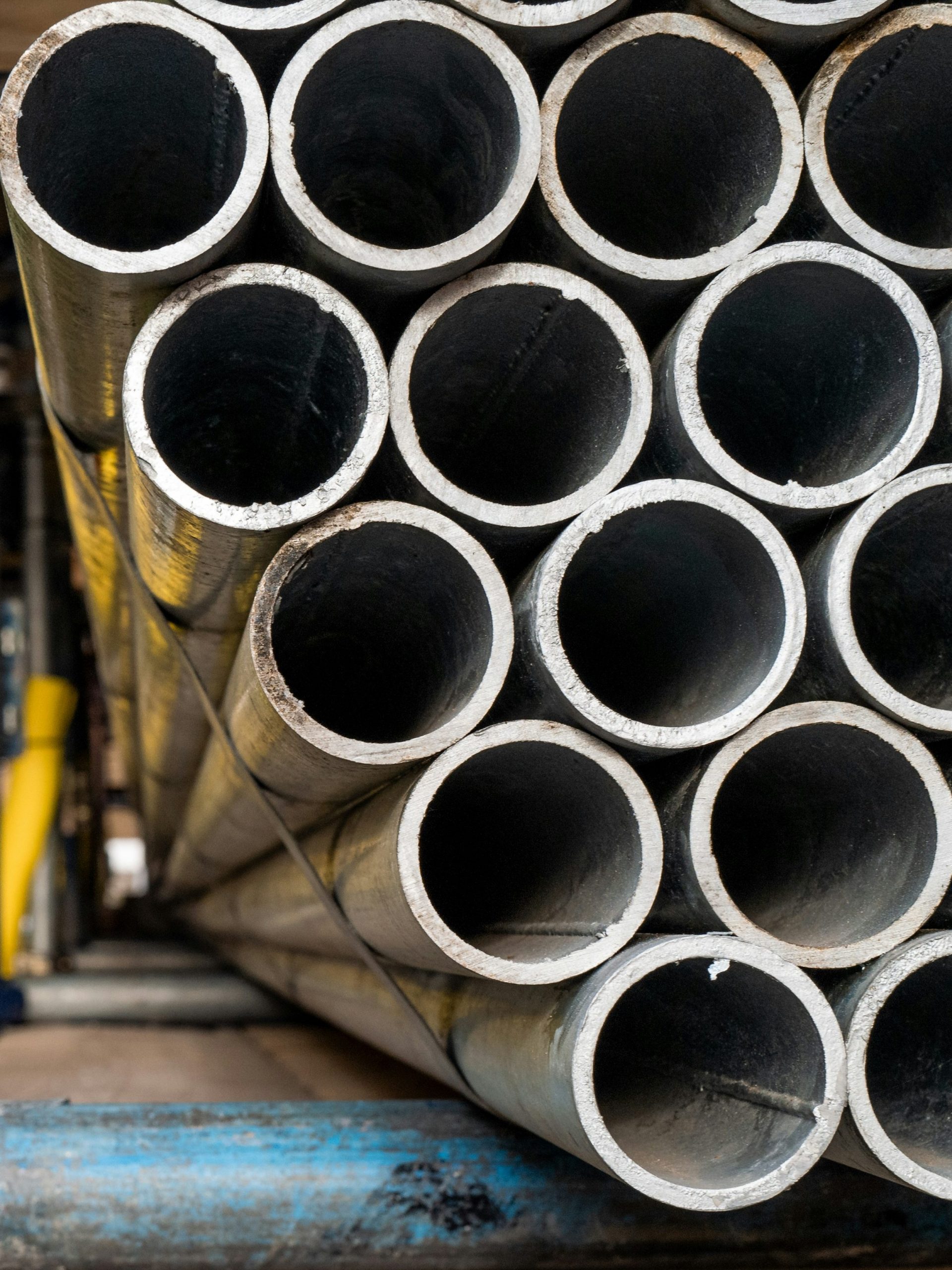
If you’re not in the market for a new car or maybe a refrigerator, you don’t need to worry about any impact from the new 25 percent tariffs on all steel and aluminum imports. Right? Wrong! In addition to these big ticket items, U.S. consumers could be in store for price hikes on many other items as well. In fact, if you usually buy products that come in cans such as soft drinks, alcoholic beverages, soup, or vegetables, you could soon see your grocery bill start to creep up. Even some non-grocery items like certain types of deodorant that have aluminum packaging will be hit with the tariffs. Indeed, it’s not just finished goods like cars that are
affected when tariffs are imposed, the cost of packaging can also rise, threatening jobs, and creating even more uncertainty for companies.
This has makers of everything from craft beer to energy drinks worried. If the price of the materials used to package their product rises by 25 percent as a result of the tariff, so does the price of the finished product. At that point, the producer can absorb the extra cost by cutting profit margins, try to negotiate a better deal with the aluminum seller, find alternate packaging, or pass the cost along to the consumer. Some companies like Coca-Cola have already indicated that they might turn to alternate packaging options like glass as a way to limit the impact of the tariffs, but other companies will have fewer options on alternate packaging. Companies that
already operate on razor thin margins like some craft beer makers will have little choice but to raise prices for consumers. This, of course, would put inflationary pressure on an economy that is struggling to keep inflation in check.
Discussion Questions:
- Consider the implications of tariffs on both large companies like Coca-Cola and smaller
companies such as craft beer makers. How will the tariffs affect these companies? How should
they respond? - Donald Trump has made tariffs a central element of his agenda. Discuss how tariffs affect
various stakeholders. What do they mean for consumers? How might they affect workers in
industries that are targeted by the tariffs? What do they mean for economic growth and stability?
Who are the winners and losers from tariffs? Does your response change if you consider the
short term versus the long term?
NPR: https://www.npr.org/2025/02/20/nx-s1-5300051/tariffs-steel-aluminum-cans-food-groceries; YouTube: https://www.youtube.com/watch?v=ZXfURfFAvSw; https://www.youtube.com/watch?v=JirR0p9Jk3A; CBS News: https://www.cbsnews.com/news/trump-tariffs-steel-aluminum-25-percent-impact-prices-inflation/; Unsplash: Photo by the blowup on Unsplash

