French wine faces climate risks and shifting consumer demand.
Tags
Blog
Article
Econ Everyday
Higher Education
Supply and Demand
Costs and Production
Article Type: Blog
Share:
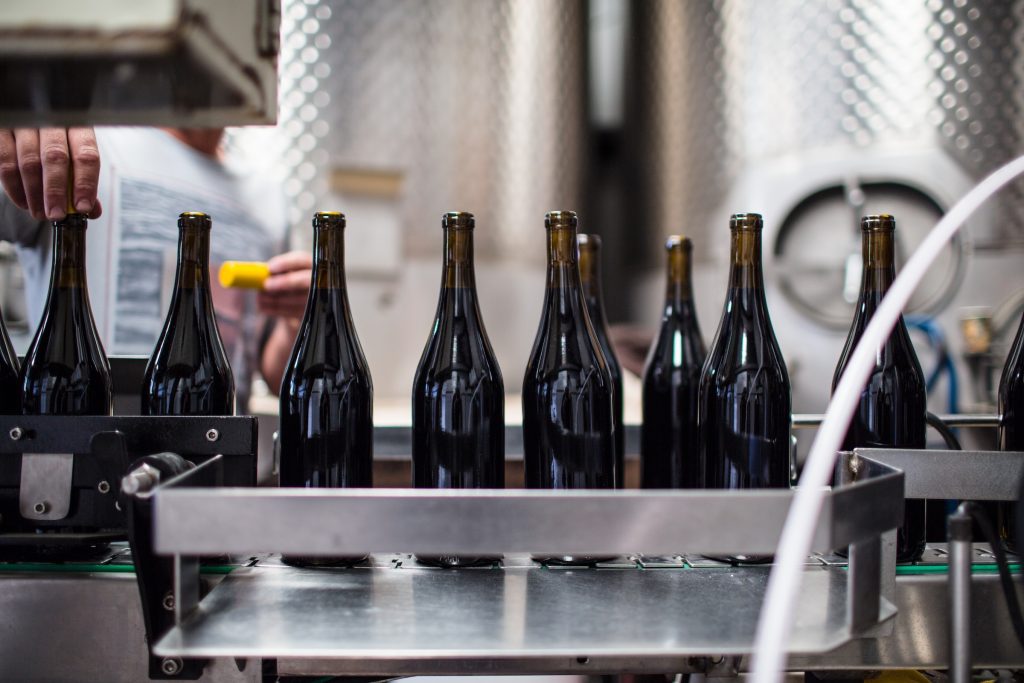
For many people, wine and France go together like peanut butter and jelly. Indeed, France’s winemaking industry is the stuff of legends with family wineries going back generations. Now though, the French government is paying winemakers to destroy hundreds of gallons of wine. Mon Dieu! What’s going on? Well, it seems that France has produced too much wine and the surplus is putting downward pressure on price, threatening the existence of the country’s wine industry. Why the surplus? The answer is simple. France’s wine culture is changing. As in other countries, craft beers and other alcoholic beverages have become more popular, as have nonalcoholic drinks. Moreover, inflation and a cost of living crisis have strained budgets, making wine a luxury for some people.
So far, France’s winemakers have failed to adapt to these trends resulting in an overproduction of some 400 million bottles of wine and prices dropping as much as 20 percent. In addition, rising production costs have created further challenges for already struggling producers. In an effort to prop up prices, the government has stepped in with a €200 million rescue package. The money will largely be spent to destroy surplus wine, although some wine will be converted to pure alcohol for other products like perfume, hand sanitizer, and cleaning products. Making matters worse are changes in consumption patterns in other European Union wine producing countries. Wine consumption has fallen in Spain, Italy, Germany, and Portugal. At the same time though, production has continued to increase across the European Union suggesting that, without other changes, the move to dispose of the current surpluses will only be a band-aid on a much more complex problem.
Discussion Questions:
Discuss the disconnect between wine production and wine consumption in France. Why do you think winemakers have failed to adapt to the changing marketplace?
Do you agree with France’s decision to prop up prices by reducing supply? Explain. Does the policy offer any incentives to producers to change their current production levels or to consumers to increase their wine consumption?
What are the implications of the situation in France for wine producers in non-European countries such as the United States, Argentina, and South Africa?
Amazon trims workforce and warehouses amid changing demand.
Regional Page Available
It looks like you're outside the United States. Do you want to see your regional version of this page?
Education Topics
Education Topics/Courses
Education Topics/Courses/Econ Everyday
Education Topics/Courses/Econ Everyday/Supply and Demand
Asset Format Type
Asset Format Type/Blog
Asset Format Type/Blog/Article
Education Topics/Courses/Econ Everyday/Costs and Production
Business Unit
Business Unit/Higher Education
highered
2026-11-19T16:18:58.149Z
highered Sacre Bleu! Save Me A Glass French wine faces climate risks and shifting consumer demand. For many people, wine and France go together like peanut butter and jelly. Indeed, France’s winemaking industry is the stuff of legends with family wineries going back generations. Now though, the French government is paying winemakers to destroy hundreds of gallons of wine. Mon Dieu! What’s going on? Well, it seems that France has produced too much wine and the surplus is putting downward pressure on price, threatening the existence of the country’s wine industry. Why the surplus? The answer is simple. France’s wine culture is changing. As in other countries, craft beers and other alcoholic beverages have become more popular, as have nonalcoholic drinks. Moreover, inflation and a cost of living crisis have strained budgets, making wine a luxury for some people. So far, France’s winemakers have failed to adapt to these trends resulting in an overproduction of some 400 million bottles of wine and prices dropping as much as 20 percent. In addition, rising production costs have created further challenges for already struggling producers. In an effort to prop up prices, the government has stepped in with a €200 million rescue package. The money will largely be spent to destroy surplus wine, although some wine will be converted to pure alcohol for other products like perfume, hand sanitizer, and cleaning products. Making matters worse are changes in consumption patterns in other European Union wine producing countries. Wine consumption has fallen in Spain, Italy, Germany, and Portugal. At the same time though, production has continued to increase across the European Union suggesting that, without other changes, the move to dispose of the current surpluses will only be a band-aid on a much more complex problem. Discussion Questions: 1. Discuss the disconnect between wine production and wine consumption in France. Why do you think winemakers have failed to adapt to the changing marketplace? 2. Do you agree with France’s decision to prop up prices by reducing supply? Explain. Does the policy offer any incentives to producers to change their current production levels or to consumers to increase their wine consumption? 3. What are the implications of the situation in France for wine producers in non-European countries such as the United States, Argentina, and South Africa? Sources| BBC: https://www.bbc.com/news/world-europe-66623636; Washington Post: https://www.washingtonpost.com/world/2023/08/26/france-wine-surplus-drinking-less/; Forbes: https://www.forbes.com/sites/maryroeloffs/2023/08/27/france-has-so-much-extra-wine-its-paying-farmers-215-million-to-destroy-it/?sh=61ec57f61d4f, France Has So Much Extra Wine, It's Paying Farmers $215 Million To Destroy It ;Unsplash: Photo by Vindemia Winery on Unsplash
French wine faces climate risks and shifting consumer demand.
Supply and Demand, Blog, Econ Everyday, Article, Costs and Production, Higher Education