Blanked sailings reduce available ocean freight capacity, disrupt schedules, shift cargo to other vessels, and increase shipping prices.
Tags
Operations Management by Cachon & Terwiesch
Independent Demand Inventory
Intro to Inventory Mgmt
Inventory Management
Operations and Supply Chain Management by Jacobs & Chase
Operations and Supply Chain Management The Core by Jacobs & Chase
Location Logistics and Distribution
Logistics Mgmt
Logistics Distribution Transportation
Managing Inventories
Operations Management in the Supply Chain by Schroeder & Goldstein
Sourcing and Supply Management
Operations Mangement by Stevenson
Supply Chain Management
Managing Operations Across the Supply Chain by Swink, Melnyk, Hartley & Cooper
Blog
Article
OM in the News
Higher Education
Article Type: Blog
Share:
Ocean shipping has become very difficult to plan in recent years.
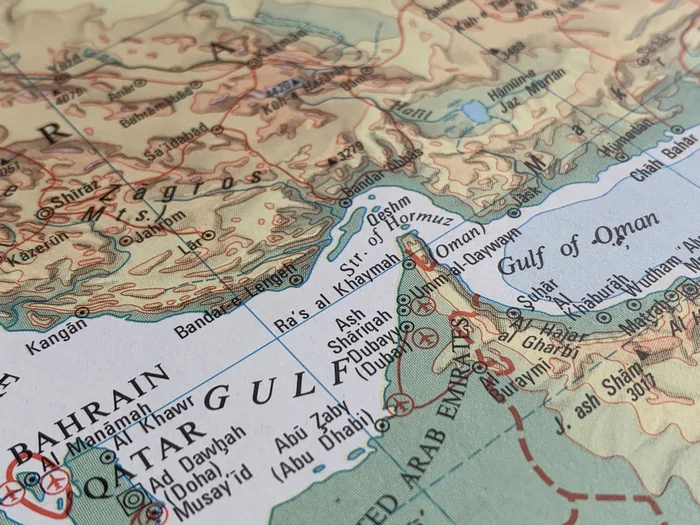
Various disruptions have occurred, including COVID-related port closures, wars such as the Iran war impacting the Strait of Hormuz, and weather events such as reduced ship traffic through the Panama Canal due to droughts.
To further complicate ocean shipments, many shippers have increased blanked sailings. This happens when ocean carriers cancel a port stop or even an entire ship’s route. Shippers cite several reasons for blanked sailings, including bypassing a port to get the ship back on schedule, low demand, or port strikes. Reasons given for canceling the entire route are maintenance and low demand.
As ocean shipping capacity increases, the number of blanked sailings also increases. This shifts shipments to other ships and reduces capacity. This reduced capacity increases prices on the remaining shipping slots. Shipping carriers appear to be using this tactic to raise shipping prices.
This post is based on the Supply Chain Dive article, Blank sailings curb ocean capacity gains, by Alejandra Carranza, August 17, 2026, and the YouTube video in the Spotlight. Image source: AustralianCamera/Shutterstock
Discussion Questions:
1. How should companies manage blanked sailings?
Guidance: Blanked sailings are difficult to manage. Companies need contingency plans in place to quickly adjust shipping plans. They should also monitor shipping companies to be alerted to any blanked sailings.
Companies can also track each carrier’s blanked sailings to evaluate reliability and inform carrier selection.
In some cases, companies can move cargo to other shippers. Changes to transportation types may also be possible. Having relationships with multiple carriers can make changing shipments easier.
Using large freight forwarders can make shipping changes easier, as they may have reserved capacity with multiple shippers.
The impact of the blanked sailing can be reduced by adding buffers to the supply chain. These could include increased inventory (safety stock) throughout the supply chain and adding time cushions to the shipping schedule.
Care should also be taken when negotiating contracts with carriers to discourage blanked sailings or at least include penalties or guaranteed delivery times.
Companies may want to prioritize products to ensure that high-profit or critical items are impacted less.
Finally, coordinate with suppliers and customers so they can adjust their schedules when blanked sailings occur.
2. What is the impact of blanked sailings on the supply chain?
Guidance: Blanked sailings lead to longer lead times, higher inventory levels, higher overall costs, and potential production disruptions. They also make planning more difficult throughout the entire supply chain.
3. Do blanked sailings impact customers?
Guidance: Yes. Customers are impacted by potential product shortages and higher prices, as increased costs are passed on to consumers.
About the Author
Ross L. Fink, Ph.D.
Bradley University
Dept. Chair, Management and Leadership
Professor of Operations
Regional Page Available
It looks like you're outside the United States. Do you want to see your regional version of this page?
Education Topics
Education Topics/Courses
Education Topics/Courses/OM in the News
Education Topics/Courses/OM in the News/Title
Education Topics/Courses/OM in the News/Title/Operations and Supply Chain Management by Jacobs & Chase
Education Topics/Courses/OM in the News/Topic
Education Topics/Courses/OM in the News/Topic/Intro to Inventory Mgmt
Education Topics/Courses/OM in the News/Title/Operations and Supply Chain Management The Core by Jacobs & Chase
Education Topics/Courses/OM in the News/Title/Operations Mangement by Stevenson
Business Unit
Business Unit/Higher Education
Asset Format Type
Asset Format Type/Blog
Education Topics/Courses/OM in the News/Topic/Managing Inventories
Education Topics/Courses/OM in the News/Topic/Independent Demand Inventory
Education Topics/Courses/OM in the News/Topic/Logistics Mgmt
Education Topics/Courses/OM in the News/Topic/Inventory Management
Education Topics/Courses/OM in the News/Topic/Logistics Distribution Transportation
Education Topics/Courses/OM in the News/Topic/Sourcing and Supply Management
Education Topics/Courses/OM in the News/Title/Operations Management by Cachon & Terwiesch
Education Topics/Courses/OM in the News/Topic/Location Logistics and Distribution
Asset Format Type/Blog/Article
Education Topics/Courses/OM in the News/Title/Managing Operations Across the Supply Chain by Swink, Melnyk, Hartley & Cooper
Education Topics/Courses/OM in the News/Title/Operations Management in the Supply Chain by Schroeder & Goldstein
Education Topics/Courses/OM in the News/Topic/Supply Chain Management
highered
2026-11-19T16:24:37.544Z
highered Blanked Sailings Impact Supply Chains Blanked sailings reduce available ocean freight capacity, disrupt schedules, shift cargo to other vessels, and increase shipping prices. Blanked Sailings Impact Supply Chains Blanked sailings reduce available ocean freight capacity, disrupt schedules, shift cargo to other vessels, and increase shipping prices. Tags Operations Management by Cachon & Terwiesch Independent Demand Inventory Intro to Inventory Mgmt Inventory Management Operations and Supply Chain Management by Jacobs & Chase Operations and Supply Chain Management The Core by Jacobs & Chase Location Logistics and Distribution Logistics Mgmt Logistics Distribution Transportation Managing Inventories Operations Management in the Supply Chain by Schroeder & Goldstein Sourcing and Supply Management Operations Mangement by Stevenson Supply Chain Management Managing Operations Across the Supply Chain by Swink, Melnyk, Hartley & Cooper Blog Article OM in the News Higher Education More Article Type: Blog September 27, 2026 Share: Ocean shipping has become very difficult to plan in recent years. Various disruptions have occurred, including COVID-related port closures, wars such as the Iran war impacting the Strait of Hormuz, and weather events such as reduced ship traffic through the Panama Canal due to droughts. To further complicate ocean shipments, many shippers have increased blanked sailings. This happens when ocean carriers cancel a port stop or even an entire ship’s route. Shippers cite several reasons for blanked sailings, including bypassing a port to get the ship back on schedule, low demand, or port strikes. Reasons given for canceling the entire route are maintenance and low demand. As ocean shipping capacity increases, the number of blanked sailings also increases. This shifts shipments to other ships and reduces capacity. This reduced capacity increases prices on the remaining shipping slots. Shipping carriers appear to be using this tactic to raise shipping prices. Video Spotlight: Why Ocean Rates Skyrocketed 300% in 5 Months (Aug 4, 2026, FreightWaves) This post is based on the Supply Chain Dive article, Blank sailings curb ocean capacity gains, by Alejandra Carranza, August 17, 2026, and the YouTube video in the Spotlight. Image source: AustralianCamera/Shutterstock Discussion Questions: 1. How should companies manage blanked sailings? Guidance: Blanked sailings are difficult to manage. Companies need contingency plans in place to quickly adjust shipping plans. They should also monitor shipping companies to be alerted to any blanked sailings. Companies can also track each carrier’s blanked sailings to evaluate reliability and inform carrier selection. In some cases, companies can move cargo to other shippers. Changes to transportation types may also be possible. Having relationships with multiple carriers can make changing shipments easier. Using large freight forwarders can make shipping changes easier, as they may have reserved capacity with multiple shippers. The impact of the blanked sailing can be reduced by adding buffers to the supply chain. These could include increased inventory (safety stock) throughout the supply chain and adding time cushions to the shipping schedule. Care should also be taken when negotiating contracts with carriers to discourage blanked sailings or at least include penalties or guaranteed delivery times. Companies may want to prioritize products to ensure that high-profit or critical items are impacted less. Finally, coordinate with suppliers and customers so they can adjust their schedules when blanked sailings occur. 2. What is the impact of blanked sailings on the supply chain? Guidance: Blanked sailings lead to longer lead times, higher inventory levels, higher overall costs, and potential production disruptions. They also make planning more difficult throughout the entire supply chain. 3. Do blanked sailings impact customers? Guidance: Yes. Customers are impacted by potential product shortages and higher prices, as increased costs are passed on to consumers. About the Author Ross L. Fink, Ph.D. Bradley University Dept. Chair, Management and Leadership Professor of Operations
Blanked sailings reduce available ocean freight capacity, disrupt schedules, shift cargo to other vessels, and increase shipping prices.
Operations and Supply Chain Management by Jacobs & Chase, Intro to Inventory Mgmt, Operations and Supply Chain Management The Core by Jacobs & Chase, Operations Mangement by Stevenson, Higher Education, Blog, Managing Inventories, Independent Demand Inventory, Logistics Mgmt, OM in the News, Inventory Management, Logistics Distribution Transportation, Sourcing and Supply Management, Operations Management by Cachon & Terwiesch, Location Logistics and Distribution, Article, Managing Operations Across the Supply Chain by Swink, Melnyk, Hartley & Cooper, Operations Management in the Supply Chain by Schroeder & Goldstein, Supply Chain Management
Operations and Supply Chain Management by Jacobs & Chase
Intro to Inventory Mgmt
Operations and Supply Chain Management The Core by Jacobs & Chase
Operations Mangement by Stevenson
Higher Education
Blog
Managing Inventories
Independent Demand Inventory
Logistics Mgmt
OM in the News
Inventory Management
Logistics Distribution Transportation
Sourcing and Supply Management
Operations Management by Cachon & Terwiesch
Location Logistics and Distribution
Article
Managing Operations Across the Supply Chain by Swink, Melnyk, Hartley & Cooper
Operations Management in the Supply Chain by Schroeder & Goldstein