Why the Iran War Could Lead to Global Food Shortages
The rising price of gas is one of the most immediate, and noticeable, outcomes of the ongoing conflict in the Middle East. Now though, there is growing alarm that the longer the conflict continues, the more likely the world will find itself with significantly smaller agricultural yields.
- Higher Education
- Article
- Econ Everyday
- Agriculture Economics
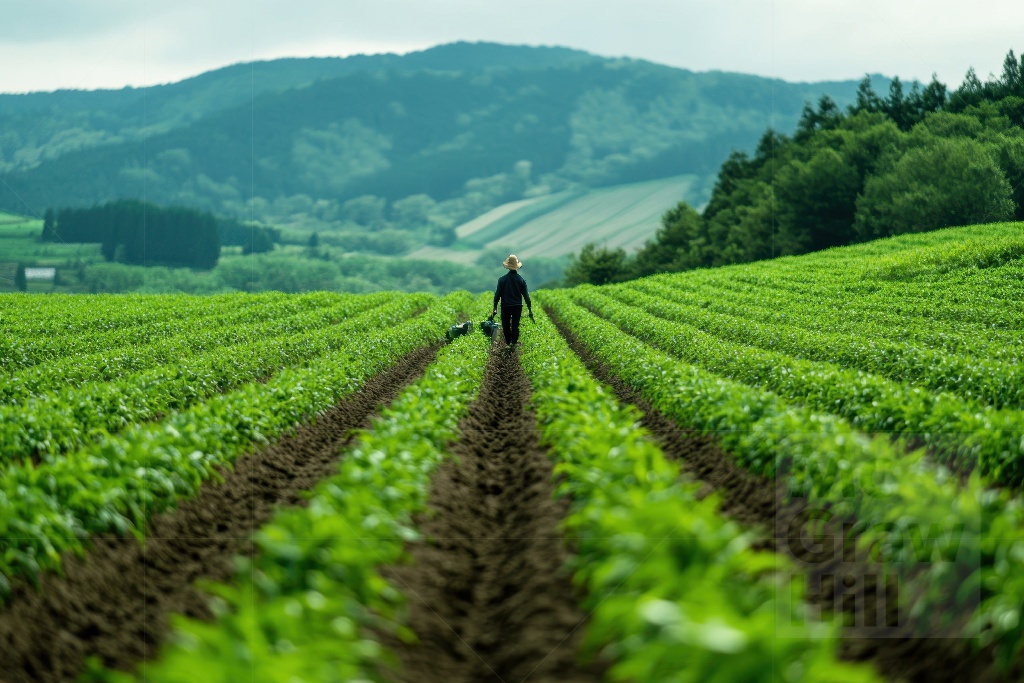
The rising price of gas is one of the most immediate, and noticeable, outcomes of the ongoing conflict in the Middle East. Now though, there is growing alarm that the longer the conflict continues, the more likely the world will find itself with significantly smaller agricultural yields. What does the conflict in the Middle East have to do with agriculture? Well, as it turns out, quite a lot. About one third of the world's fertilizer is produced in the Middle East and then shipped through the waterway known as the Strait of Hormuz. The waterway has been closed since shortly after the United States attacked Iran. Ships carrying fertilizer and inputs used to make fertilizer are trapped on the wrong side of the Strait of Hormuz, leaving farmers around the world without access to the fertilizer they need. Without fertilizer, crop yields are expected to be much smaller, setting the world up for higher food prices and potential food insecurity.
Farmers are now scrambling to find available sources fertilizer, but not only is it difficult to find, it’s often available only at highly inflated prices. Those higher costs will almost certainly be passed along to consumers in the future in the form of higher food prices. Moreover, while some farmers can afford higher fertilizer prices, others, especially those in developing economies, cannot. This is especially problematic given that fertilizer must be used at specific times in the growing process. Farmers know that without it, their crops will be less successful than usual. Smaller crop yields mean food shortages, higher prices, and more hardship, especially for those in poorer countries. For now, with the Strait of Hormuz still closed and the conflict still ongoing, the depth of the crisis is unknown. While many remain optimistic that food shortages can still be minimized, the longer the conflict continues, the greater the potential for global food insecurity.
Discussion Questions:
- In the United States and other developed countries, there is discussion of subsidizing farmers facing higher fertilizer costs. What effect, if any, would subsidies have on the global food supply and the price consumers pay for food?
- Discuss the implications of a shortage of fertilizer for farmers in developing countries. How might their experience be different from the experience of farmers in developed economies?
https://www.wdsu.com/article/iran-war-drives-up-fertilizer-costs-for-us-farmers-raising-fears-of-higher-food-prices/70870463; https://www.telegraph.co.uk/business/2026/03/27/longer-trump-war-drags-on-worse-coming-global-food-crisis/; https://www.pbs.org/newshour/world/the-planting-season-is-now-but-war-in-iran-has-sparked-a-global-fertilizer-shortage