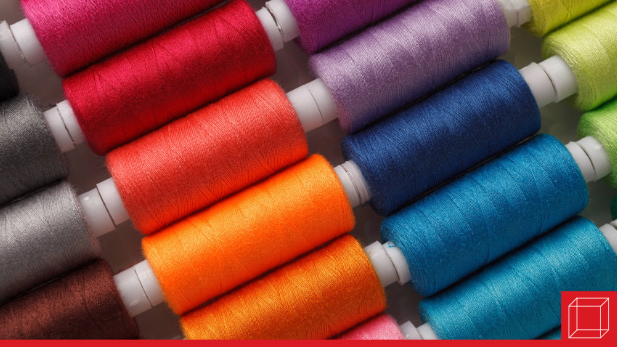
The New Norm creates clothes out of hazardous junk.
Tags
Higher Education
Blog
Article
Understanding Business
Chapter 1 Taking Risks & Making Profits
Chapter 3 Globalization
Chapter 4 Ethics & Social Responsibility
Chapter 6 Entrepreneurship
Chapter 9 Production & Operations Management
Chapter 13 Marketing
Chapter 14 Product & Price
Chapter 15 Distribution
Chapter 16 Place & Promotion
Branding
Entrepreneurship
Ethics
Manufacturing & Packaging
Operations Management
Product Development
Product Distribution
Retail, Marketing and Advertising
Supply Chains
Article Type: Blog
Share:
The global fashion industry often presents itself as sustainable. But in practice, most clothing is still made from synthetic fibers derived from fossil fuels, tying apparel to plastic supply chains that drive pollution and climate risk. For younger consumers who care about environmental impact, this creates a gap between what brands promise and how clothes are actually made. Interest in cleaner products exists, but the supply chain is built for cheap, uniform materials made from newly produced plastic. Changing that system means starting at the level of raw materials.
As an engineering major, Lauren Choi began to wonder whether discarded plastic could be turned into clothing people would actually wear. She started with red Solo party cups, a familiar campus waste item that is difficult to recycle. She built an extruder to melt the cups down and turn them into thin plastic filaments that could be used as yarn. Her first attempts failed: the fabric was stiff and uncomfortable, more like molded plastic than clothing. Batches of recycled plastic often arrived contaminated or mixed with other materials, forcing Choi to scrap them and start again. Progress came slowly as she stayed afloat through grant funding and outside support from textile and polymer research centers. After years of testing and adjustment, the material finally softened enough to be 3D-knitted into sweaters and beanies made from thousands of upcycled cups.
Those garments became the starting point for The New Norm, the apparel company Choi built around recycled plastic material. Once she launched, customers immediately responded as demand grew beyond what the company could offer with its first small runs. Still, making more garments exposed new limits. Scaling production meant working with factories and partners accustomed to uniform materials, while recycled plastic remained unpredictable. As orders grew, sourcing usable plastic became harder, pushing Choi back into refining the yarn again and again. What began as a campus experiment became an ongoing test of whether recycled plastic could work as a raw material inside a fashion industry long known for waste. “It would be amazing if we lived in a plastic-free world,” said Choi. “But if you look at the volume of virgin, synthetic fibers made annually, we’re talking billions of tons of material. There’s a long road to go.”
Questions:
What are some challenges that Lauren Choi encountered as she developed her company The New Norm?
Do you think big clothing brands should follow The New Norm’s lead and start using upcycled materials? Why or why not?
Education Topics/Courses/Understanding Business/Topics/Product Development
highered
2026-04-15T19:41:22.773-04:00
highered Turning Plastic Waste into Sustainable Fashion The New Norm creates clothes out of hazardous junk. Turning Plastic Waste into Sustainable Fashion The New Norm creates clothes out of hazardous junk. Tags Higher Education Blog Article Understanding Business Chapter 1 Taking Risks & Making Profits Chapter 3 Globalization Chapter 4 Ethics & Social Responsibility Chapter 6 Entrepreneurship Chapter 9 Production & Operations Management Chapter 13 Marketing Chapter 14 Product & Price Chapter 15 Distribution Chapter 16 Place & Promotion Branding Entrepreneurship Ethics Manufacturing & Packaging Operations Management Product Development Product Distribution Retail, Marketing and Advertising Supply Chains More Article Type: Blog April 17, 2026 Share: The global fashion industry often presents itself as sustainable. But in practice, most clothing is still made from synthetic fibers derived from fossil fuels, tying apparel to plastic supply chains that drive pollution and climate risk. For younger consumers who care about environmental impact, this creates a gap between what brands promise and how clothes are actually made. Interest in cleaner products exists, but the supply chain is built for cheap, uniform materials made from newly produced plastic. Changing that system means starting at the level of raw materials. As an engineering major, Lauren Choi began to wonder whether discarded plastic could be turned into clothing people would actually wear. She started with red Solo party cups, a familiar campus waste item that is difficult to recycle. She built an extruder to melt the cups down and turn them into thin plastic filaments that could be used as yarn. Her first attempts failed: the fabric was stiff and uncomfortable, more like molded plastic than clothing. Batches of recycled plastic often arrived contaminated or mixed with other materials, forcing Choi to scrap them and start again. Progress came slowly as she stayed afloat through grant funding and outside support from textile and polymer research centers. After years of testing and adjustment, the material finally softened enough to be 3D-knitted into sweaters and beanies made from thousands of upcycled cups. Those garments became the starting point for The New Norm, the apparel company Choi built around recycled plastic material. Once she launched, customers immediately responded as demand grew beyond what the company could offer with its first small runs. Still, making more garments exposed new limits. Scaling production meant working with factories and partners accustomed to uniform materials, while recycled plastic remained unpredictable. As orders grew, sourcing usable plastic became harder, pushing Choi back into refining the yarn again and again. What began as a campus experiment became an ongoing test of whether recycled plastic could work as a raw material inside a fashion industry long known for waste. “It would be amazing if we lived in a plastic-free world,” said Choi. “But if you look at the volume of virgin, synthetic fibers made annually, we’re talking billions of tons of material. There’s a long road to go.” Questions: What are some challenges that Lauren Choi encountered as she developed her company The New Norm? Do you think big clothing brands should follow The New Norm’s lead and start using upcycled materials? Why or why not? References: Aimee Rawlins, “How an Engineering Student Turned Red Solo Cups into Stylish Sweaters: ‘A Lot of Trial and Error,’” The Guardian, September 16, 2025.
The New Norm creates clothes out of hazardous junk.