Experiences and customer service could return stores to relevance.
Tags
Higher Education
Blog
Article
Understanding Business
Chapter 1 Taking Risks & Making Profits
Chapter 2 Economics
Chapter 6 Entrepreneurship
Chapter 13 Marketing
Chapter 14 Product & Price
Chapter 15 Distribution
Chapter 16 Place & Promotion
Bonus Chapter B
Branding
Entrepreneurship
Operations Management
Product Development
Product Distribution
Retail, Marketing and Advertising
Supply Chains
Supply & Demand
Article Type: Blog
Share:
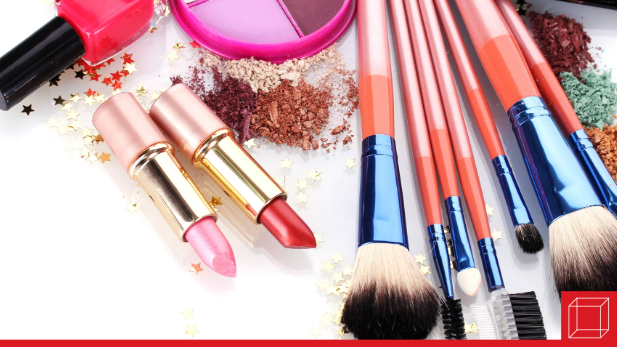
For decades, department stores were the primary place where shoppers discovered new beauty products and trends while browsing with help from sales associates. That role steadily eroded as shopping moved online and discovery shifted to social media. Today, beauty inspiration is just as likely to come from a TikTok video as from a store counter, and buying often happens with a single click on Amazon. As a result, department stores are fighting to stay relevant in one of retail’s most competitive categories by trying to reinvent what shopping for beauty looks like in person.
Younger shoppers, who increasingly drive beauty trends, tend to discover products online and buy the option that’s fastest and cheapest. This shift has pushed department stores away from their traditional role as gatekeepers and toward a new strategy: turning beauty into an experience rather than a transaction. Chains like Macy’s and Nordstrom are investing in upgraded beauty floors with virtual try-on tools, in-store treatments, and more space to browse without pressure. Robot-applied lash extensions, skin analysis machines, and immersive fragrance displays are all part of an effort to offer something TikTok and Amazon can’t replicate. At the same time, department stores are shrinking their overall footprints, closing weaker locations to concentrate investment in a smaller number of flagship stores.
The stakes are high. Online players dominate beauty sales, with Amazon accounting for nearly half of online purchases and TikTok Shop rapidly gaining share. Department stores, by contrast, control only a sliver of the digital market, even as they spend heavily to reinvent physical retail. That makes beauty both an opportunity and a test case. If immersive stores and high-touch services can persuade shoppers to linger, spend, and return, department stores may carve out a sustainable niche. If not, beauty might follow the same path as other industries that moved online faster than traditional retailers could adapt.
Questions:
Why are department stores adding more experiences to their beauty floors?
Do you think consumers will return to buying beauty products at department stores? Why or why not?
highered Department Stores Try to Win Back Beauty Shoppers Experiences and customer service could return stores to relevance. Department Stores Try to Win Back Beauty Shoppers Experiences and customer service could return stores to relevance. Tags Higher Education Blog Article Understanding Business Chapter 1 Taking Risks & Making Profits Chapter 2 Economics Chapter 6 Entrepreneurship Chapter 13 Marketing Chapter 14 Product & Price Chapter 15 Distribution Chapter 16 Place & Promotion Bonus Chapter B Branding Entrepreneurship Operations Management Product Development Product Distribution Retail, Marketing and Advertising Supply Chains Supply & Demand More Article Type: Blog April 09, 2026 Share: For decades, department stores were the primary place where shoppers discovered new beauty products and trends while browsing with help from sales associates. That role steadily eroded as shopping moved online and discovery shifted to social media. Today, beauty inspiration is just as likely to come from a TikTok video as from a store counter, and buying often happens with a single click on Amazon. As a result, department stores are fighting to stay relevant in one of retail’s most competitive categories by trying to reinvent what shopping for beauty looks like in person. Younger shoppers, who increasingly drive beauty trends, tend to discover products online and buy the option that’s fastest and cheapest. This shift has pushed department stores away from their traditional role as gatekeepers and toward a new strategy: turning beauty into an experience rather than a transaction. Chains like Macy’s and Nordstrom are investing in upgraded beauty floors with virtual try-on tools, in-store treatments, and more space to browse without pressure. Robot-applied lash extensions, skin analysis machines, and immersive fragrance displays are all part of an effort to offer something TikTok and Amazon can’t replicate. At the same time, department stores are shrinking their overall footprints, closing weaker locations to concentrate investment in a smaller number of flagship stores. The stakes are high. Online players dominate beauty sales, with Amazon accounting for nearly half of online purchases and TikTok Shop rapidly gaining share. Department stores, by contrast, control only a sliver of the digital market, even as they spend heavily to reinvent physical retail. That makes beauty both an opportunity and a test case. If immersive stores and high-touch services can persuade shoppers to linger, spend, and return, department stores may carve out a sustainable niche. If not, beauty might follow the same path as other industries that moved online faster than traditional retailers could adapt. Questions: Why are department stores adding more experiences to their beauty floors? Do you think consumers will return to buying beauty products at department stores? Why or why not? References: Anne D’Innocenzio, “Department Stores Try To Distinguish Themselves as Beauty Lovers Turn to TikTok and Amazon,” The Associated Press, December 21, 2025.
Experiences and customer service could return stores to relevance.