The Global Charge To Keep Energy Use Down
The current conflict in the Middle East is shaking up the global economy.
- Higher Education
- Article
- Econ Everyday
- Supply and Demand
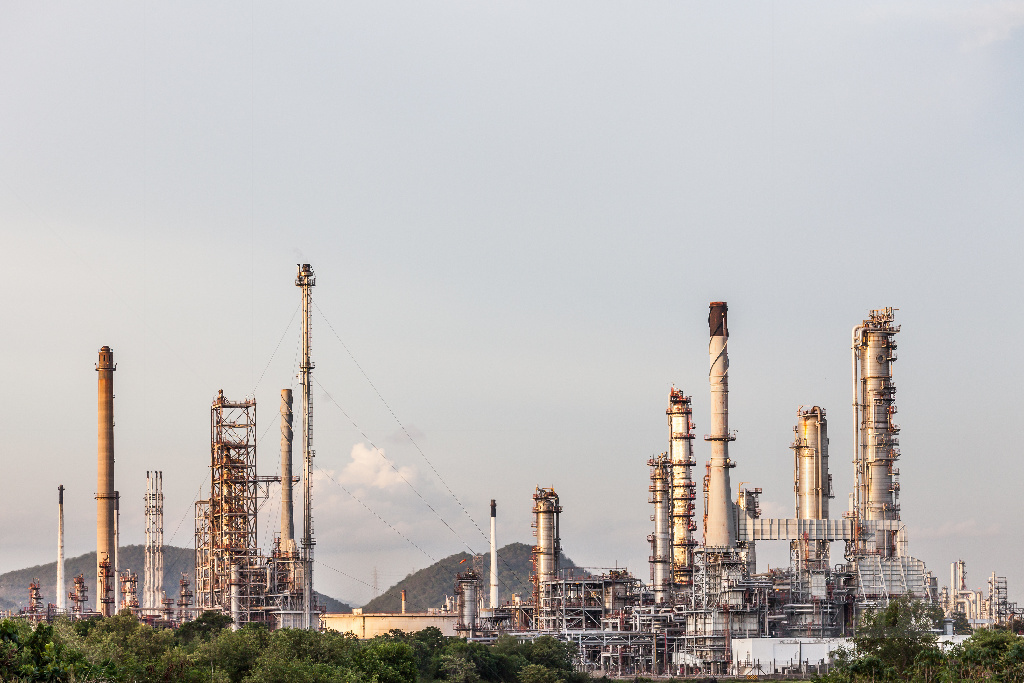
The current conflict in the Middle East is shaking up the global economy. Since the launched attack on Iran, gas prices have risen significantly, and overall energy costs are increasing. Shipping costs, air travel prices, and fertilizer prices are also up, which, will likely lead to higher food costs in the near future. Stock markets and commodities markets have been chaotic as traders respond to what has the potential to become the most significant global economic crisis since the 1970s. Then, as now, the world faced a huge shortage of oil as a result of geopolitical conflict in the Middle East. Today, the U.S.-Iran War has led to closure of the critical waterway known as the Strait of Hormuz. It’s a narrow passage that runs along Iran’s coast and connects the Persian Gulf with the Gulf of Oman. Without it, the massive oil tankers that typically carry oil to countries around the world are stuck, leaving the world with about 20 percent less oil than usual.
Some parts of the world such as Asia depend more heavily on oil coming through the Strait of Hormuz, but even countries that are more energy independent such as the United States, are feeling the effects of the closure. The situation has prompted several supply-side actions to increase the amount of oil on the market. The 32 countries holding membership in the International Energy Agency (IEA), for example, agreed to release 400 million barrels of oil from strategic reserves. However, energy analysts warn that efforts like this will not be enough to offset the supply issues related to the closure of the Strait of Hormuz. So, faced with what could be a lengthy economic crisis, leaders from around the world are now focusing on demand side actions. They are urging consumers and businesses to, among other things, conserve energy by working from home, reducing car and air travel, and limiting the use of heating and air conditioning. The goal is to bring demand for oil and oil derivatives closer to current supplies. If the move is successful, it could limit the extent of the crisis currently threatening the stability of the global economy.
Discussion Questions:
- Discuss the concept of supply and demand as it relates to oil and the conflict in the Middle East. In your opinion, can the world avoid an economic crisis through a combination of supply side and demand side actions? Explain.
- Consider the implications of relying on an often unstable supply of oil. Given the geopolitical complexities of oil imported from the Middle East, should the United States and other countries be taking steps towards energy independence by making bigger investments in alternative energy sources such as wind, solar, or nuclear? What advantages do you see to this strategy? Are there drawbacks?
https://www.wsj.com/finance/commodities-futures/from-four-day-weeks-to-ac-bans-the-world-is-scrambling-to-save-energy-e16ccd81?st=vr11wt; https://www.cnbc.com/2026/03/11/iea-oil-reserves-crude-prices-iran-g7-energy.html; https://www.cnbc.com/2026/03/20/iea-oil-fuel-prices-energy-advice-consumers-crisis.html; https://www.reuters.com/business/energy/ceraweek-global-energy-crisis-deepens-efforts-plug-supply-gap-fall-short-2026-03-24/