How the RAM Shortage Is Reshaping the Global Supply Chain
As AI drives a RAM shortage, industries face tighter supplies and rising costs. Discover how supply chain dynamics are influencing global production.
- Higher Education
- Article
- Blog
- Ferrell Business in the News
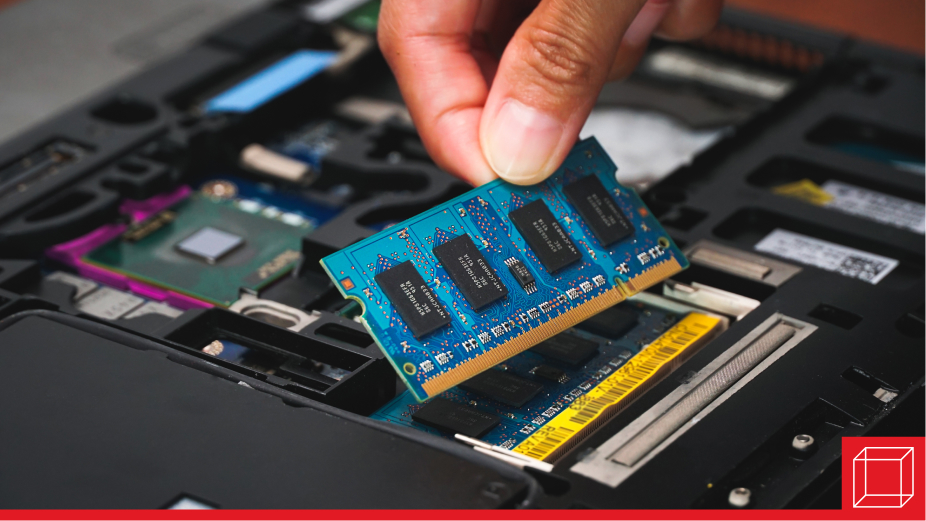
A global shortage of RAM, or random-access memory, is rippling through the technology sector and beyond. RAM is a computer’s short-term memory that temporarily holds the information and programs it is actively using so tasks can run quickly and smoothly. RAM plays a central role in nearly every modern device. The current RAM shortage offers a clear example of how demand shocks, supplier concentration, and capacity constraints can reshape entire industries.
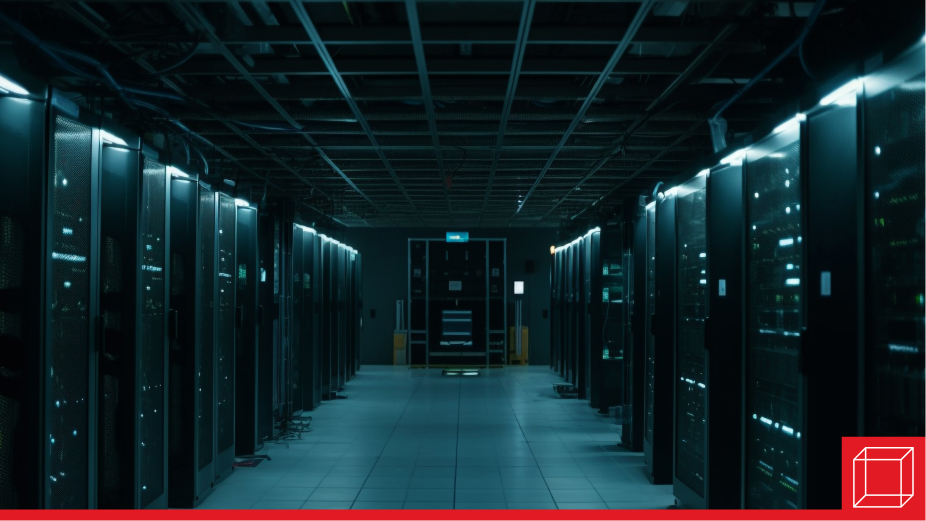
The shortage stems largely from the explosive growth of artificial intelligence (AI). Companies such as OpenAI, Alphabet, Amazon, and Microsoft are investing hundreds of billions of dollars in AI data centers. These facilities rely on advanced chips from Nvidia that require massive amounts of memory. As a result, AI firms are absorbing a significant share of global memory production.
This surge in demand has created an imbalance between supply and demand. This shortage is happening because manufacturers are shifting their factories to make more profitable AI memory chips, leaving less supply for everyone else.
Supplier Concentration
DRAM, or dynamic random access memory, is the most common type of RAM. The global DRAM market is highly concentrated. Roughly 95 percent of supply is controlled by three companies: Samsung Electronics, SK Hynix, and Micron Technology. When only a few firms dominate production, their decision making can have enormous consequences.
In recent years, these companies have shifted manufacturing capacity toward high-bandwidth memory, which commands premium prices because it powers AI servers. This pivot makes financial sense. AI customers are willing to pay top dollar and place large, long-term orders. By contrast, consumer electronics makers operate on thinner margins and are more price sensitive.
From a supply chain perspective, this is an example of supplier power. When supply is constrained and concentrated, suppliers can choose which customers to prioritize. In this case, memory manufacturers are favoring AI infrastructure over smartphones, gaming consoles, and laptops.
Capacity Constraints
One reason the shortage cannot be quickly resolved is the long lead time required to expand production. Building a new plant takes years and billions of dollars. Even when companies announce new facilities, meaningful output may not happen for years.
In the tech industry, supply cannot typically respond quickly to sudden spikes in demand. Memory producers are also wary of repeating past mistakes. The semiconductor industry has experienced boom and bust cycles in which overproduction led to price collapses and financial losses. Today’s producers are increasing capacity cautiously to avoid creating a future overage.
Downstream Effects
The RAM shortage illustrates how disruptions at a single point in the supply chain have downstream effects. If memory prices stay high and supplies remain tight, some companies may be forced to cancel or discontinue products, delay new product launches, or even shut down if they cannot afford the higher costs or secure enough chips to keep operating.
Smartphones are particularly vulnerable. If memory prices increase significantly, manufacturers have to absorb the cost, increase prices, or cut back on developing new features. Gaming firms are also feeling the strain. Sony is reportedly considering delaying its next PlayStation console, while Nintendo may raise prices on its Switch platform. PC manufacturers including Lenovo and Dell are planning price hikes as memory and storage costs surge. Automakers, hospital equipment suppliers, telecommunications firms, and agricultural equipment manufacturers, which all rely on memory chips, will also be affected.
AI may represent the future of computing, but its rapid expansion is reshaping global production networks today. As companies chase the AI gold rush, the rest of the economy must navigate tighter supplies, higher prices, and longer lead times. The challenge is balancing opportunity with supply chain resilience.
In the Classroom
This article can be used to discuss supply and demand (Chapter 1: The Dynamics of Business and Economics) and supply chain management and contingency planning (Chapter 8: Supply Chain: Procurement, Operations, and Logistics).
Discussion Questions
- How has the surge in AI data center investment created an imbalance between supply and demand in the memory market?
- Why does supplier concentration increase supply chain risk for downstream companies?
- If you were a supply chain manager at an automaker or electronics firm, what strategies could you use to mitigate the impact of the RAM shortage?
This article was developed with the support of Kelsey Reddick for and under the direction of O.C. Ferrell, Linda Ferrell, and Geoff Hirt.
Debby Wu, Takashi Mochizuki, and Yoolim Lee, "Rampant AI Demand for Memory Is Fueling a Growing Chip Crisis," Bloomberg, February 15, 2026
Scott Simon, "There's a Shortage of RAM (Computer Memory). How Is This Affecting the Industry?" NPR, February 21, 2026
Sean Hollister, "The RAM Shortage Is Coming for Everything You Care About," The Verge, February 19, 2026

O.C. Ferrell is the James T. Pursell Sr. Eminent Scholar in Ethics and Director of the Center for Ethical Organizational Cultures in the Raymond J. Harbert College of Business, Auburn University. He was formerly Distinguished Professor of Leadership and Business Ethics at Belmont University and University Distinguished Professor at the University of New Mexico. He has also been on the faculties of the University of Wyoming, Colorado State University, University of Memphis, Texas A&M University, Illinois State University, and Southern Illinois University. He received his Ph.D. in marketing from Louisiana State University.