
Venezuela’s Oil
For oil executives accustomed to often long drawn out battles to clear the way to expand drilling, a seemingly open invitation to invest and produce as much oil as they’d like would usually be a pipe dream.
- Higher Education
- Article
- Econ Everyday
- International Trade and Finance
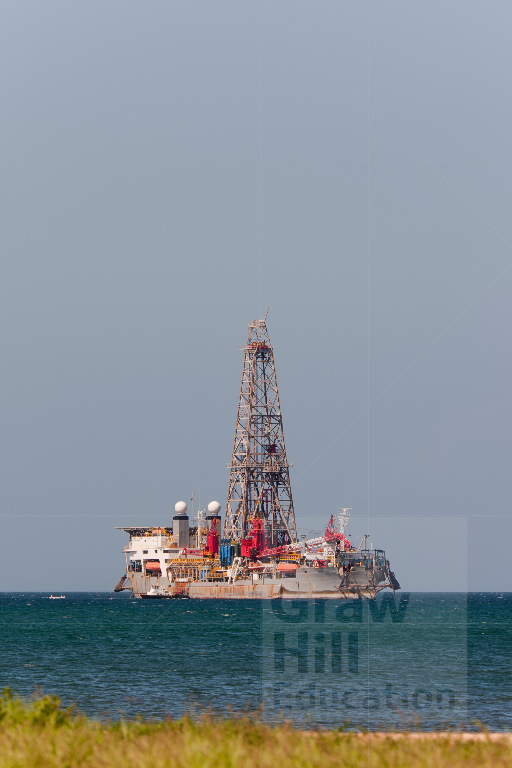
For oil executives accustomed to often long drawn-out battles to clear the way to expand drilling, a seemingly open invitation to invest and produce as much oil as they’d like would usually be a pipe dream. The oil executives who attended a recent meeting at the White House, it was reality. The catch? The investment would happen in Venezuela. Following the U.S. capture of Venezuela’s President, Nicolas Maduro, Donald Trump has laid claim to the future of Venezuela’s oil industry. While future plans remain murky, the meeting at the White House indicated that Trump expects companies like Exxon, Shell, and ConocoPhillips to quickly move to rebuild and modernize Venezuela’s oil industry, with the goal of pumping enough oil to bring global prices down to around $50 per barrel, a price that is significantly lower than current prices. In theory, this would, in the long term, then reduce gas prices for Americans, although it’s unclear whether oil companies would make a profit at such a low price.
The problem? Well as they say, it’s all in the details. The response from oil executives was tepid. Some pointed out that they had been expropriated in Venezuela more than once, and further investment at least for now, is off the table. Others noted the significant time and cost involved in bringing Venezuela’s industry up to speed. Some analysts have indicated that it could be a decade or more before the industry is fully operational. Still others cited questions about future demand.
Indeed, aside from the question of whether it’s legal for another country to lay claim to a sovereign nation’s natural resources, exactly how, or if, the United States will benefit from Venezuela’s vast oil fields is unclear. Trump has floated the possibility of using U.S. taxpayer money to reimburse the oil companies for future investment in Venezuela, however, given that investments in Venezuela’s oil industry would ultimately support economic development in a foreign county, it seem like it could be a big sell to American tax payers.
Discussion Questions:
- Do you see U.S. corporate investment in Venezuela’s oil industry benefiting the U.S. economy?
- What are the implications of this type of investment for domestic oil operations? What does it mean for Venezuela?
https://www.bbc.com/news/articles/c205dx61x76o; https://www.msn.com/en-us/money/markets/trump-may-have-to-pay-high-price-to-get-oil-companies-to-drill-in-venezuela/ar-AA1TJdM3?apiversion=v2&domshim=1&noservercache=1&noservertelemetry=1&batchservertelemetry=1&renderwebcomponents=1&wcseo=1; https://www.nbcnews.com/business/energy/trump-venezuela-oil-companies-reimburse-rcna252434; https://www.theguardian.com/business/2026/jan/06/trump-us-taxpayers-oil-firms-venezuela-investment