Pre-pasta-rous!!! Italian pasta facing 100% US tariffs
Consumers can expect to see pasta prices soar and availability plummet as Trump administration announces additional 91 percent tariffs on Italian pasta imports.
- Higher Education
- Article
- Econ Everyday
- International Trade and Finance
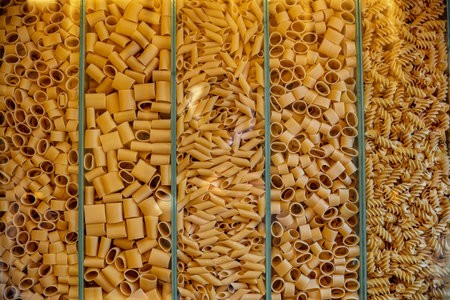
American lovers of authentic Italian pasta are in for a big surprise next year. The Trump administration announced they will be implementing a more than 100% tariff on all pasta imports from Italy. This means many Italian pasta brands may disappear from grocery store shelves, and those that remain will cost twice as much. Additionally, non-Italian pasta brands will be able to raise their prices due to the trade protection measure. This comes at a particularly bad time for consumers, as many have turned to pasta dishes as a low-cost meal in a time when grocery prices have been rising.
The tariffs are a result of an antidumping complaint filed by two American companies. The companies accused the Italian companies of selling their pasta at below market value in order to gain market share in the US. An investigation by the Commerce Department found in favor of the US companies, and since they Italian companies provided incomplete data, they implemented a 91% countervailing duty on Italian pasta. This is in addition to the 15% tariffs already applied to imports from the European Union.
Discussion Questions:
- What are some additional forms of trade protection that can be used instead of tariffs?
- What are the distributional effects of tariffs? That is, what happens to consumer surplus, etc. for all agents involved?