Have You ‘Herd’ About the Cattle Supply?
Over the past few months, beef prices have been soaring.
- Higher Education
- Article
- Econ Everyday
- Microeconomics
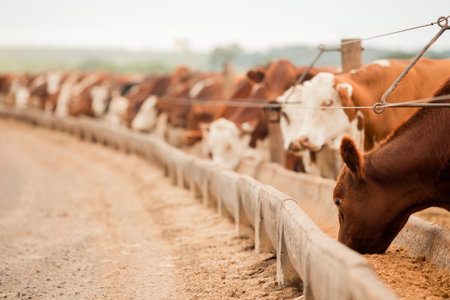
In Arkansas, the price of ground beef has increased by about 25 percent, and premium cuts, such as sirloin and tenderloin, have increased by 12-15 percent. The price increases are due to two prime factors. First, the national cattle inventory is at its lowest level since the 1950s. Due to drought and high supply costs, over the past few years many farmers brought to market heifers (female cows) that traditionally would be bred to replace the herd. Additionally, supply costs remain high. Everything from fertilizer to feed to fuel are more expensive this year than they were several years ago, which drives up production costs.
Although it is expected that the size of the national cattle inventory will increase to higher levels over the next few years, in the short term many expect prices to increase even further over the next few months. Grocers have been trying to not increase prices on their customers very much, but when the holiday season comes and demand for ribeye steaks, filets, and roasts increases, grocers will likely have no choice but to raise prices further. Generally, the shortage could be filled by imported beef, however, one of our main sources of beef imports, Brazil, was just hit with a 50 percent tariff on its imported goods to the US. So, Brazilian beef would end up costing even more than domestically produced beef.
Discussion Questions:
- Use a supply and demand model to show the impact of higher input costs on the beef market.
- Would you expect the price elasticity of supply to be elastic or inelastic? Explain?
https://katv.com/news/local/beef-prices-hit-record-breaking-costs-highest-level-meat-market-prime-fresh-impact-business-cattle-inventory-historic-low-input-cost-ground-ribeye-filet-spike-raise-price-premium-sticker-shock-holiday-dinner-herd-brazil-tariff-import-increase-back-down?fbclid=IwQ0xDSwL52bBjbGNrAvnZoWV4dG4DYWVtAjExAAEetKCZsH1Gy98-sx0x-3W6ohJU6rAEDFpME1tMGWQAtf02B6hvuLJuGRnzPLY_aem_JIkNZoCkmISm-W5aOk6UPw; https://www.fb.org/market-intel/u-s-cattle-inventory-smallest-in-73-years