Space X vs. Sea Turtles
Private space company SpaceX has had a series of disastrous explosions while testing their Starship rocket.
- Higher Education
- Article
- Econ Everyday
- Microeconomics
The series of explosions have drawn criticism from a number of different groups. One of the explosions caused delays for 240 flights that were planned to travel through the flight path of the exploded rocket. Another rocket that exploded over the Turks and Caicos Islands cause damage to public and private property.
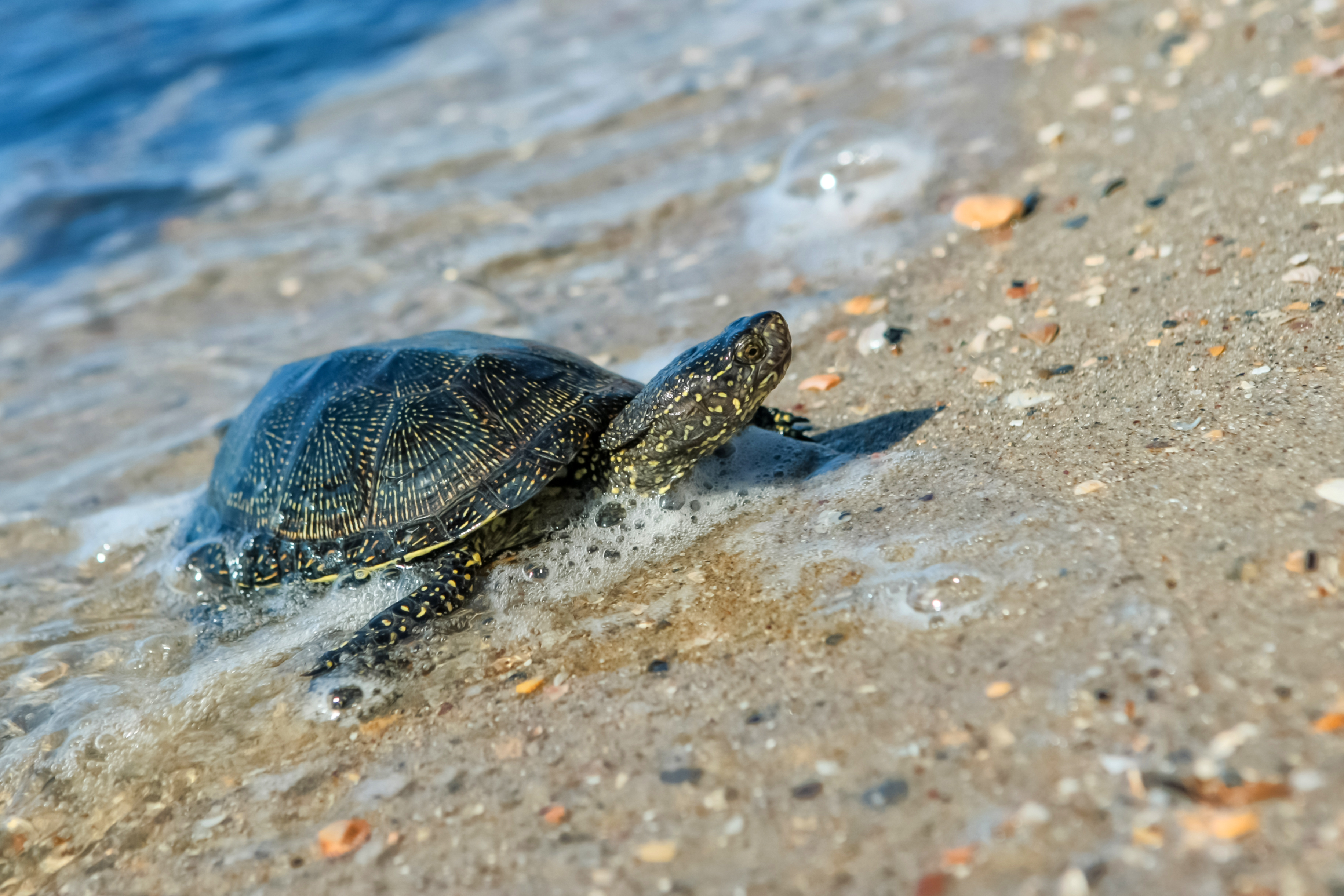
Another group being adversely affected by the explosions cannot speak out for themselves: sea turtles. When a launch originating out of Texas explodes, most of the debris lands in the Gulf of Mexico. Large pieces are recovered with boats and helicopters. But small pieces are generally spread over a large area water and are too difficult to recover. This debris ends up in the Gulf’s currents and washes up on beaches along Mexico’s coastline.
One beach that is affected disproportionately is Bagdad Beach, which is an important sea turtle nesting area. Conservationists do their best to clean up as much debris as they can, and Space X claims they are working with the community to assist in clean-up efforts. However, local organizations worry that some components and chemicals cannot be cleaned, and it will affect the endangered sea turtles’ survival and reproduction rates. Small bits of plastic and metal may be ingested by the turtles causing internal damage to migrating turtles, and chemicals that leech into the soil may be absorbed into eggs in nests on the beach, reducing the baby turtles’ survival rates. Space X claims that the environmental damage is minimal and will not harm local wildlife. But, much like when the rockets explode, we may not know the true extent of the problem until it is too late.
Discussion Questions:
- Use a supply and demand model to illustrate the difference between the private equilibrium of rocket launches and the socially optimal number of rocket launches.
- Suppose that under international law, Mexican citizens have the right to clean beaches. Using the Coase theorem, what might be a private solution struck between Space X and Mexican citizens?
https://www.cnn.com/2025/06/19/tech/elon-musk-spacex-explosion-reputation; https://www.reuters.com/business/aerospace-defense/faa-says-spacex-starship-explosion-disrupted-nearly-240-flights-2025-03-07/; https://www.nbcnews.com/science/space/spacex-starship-debris-littered-islands-turks-caicos-rcna188223; https://www.cnn.com/2025/07/01/americas/space-x-debris-mexico-sea-turtles-intl-latam