Alternative Economic Indicators
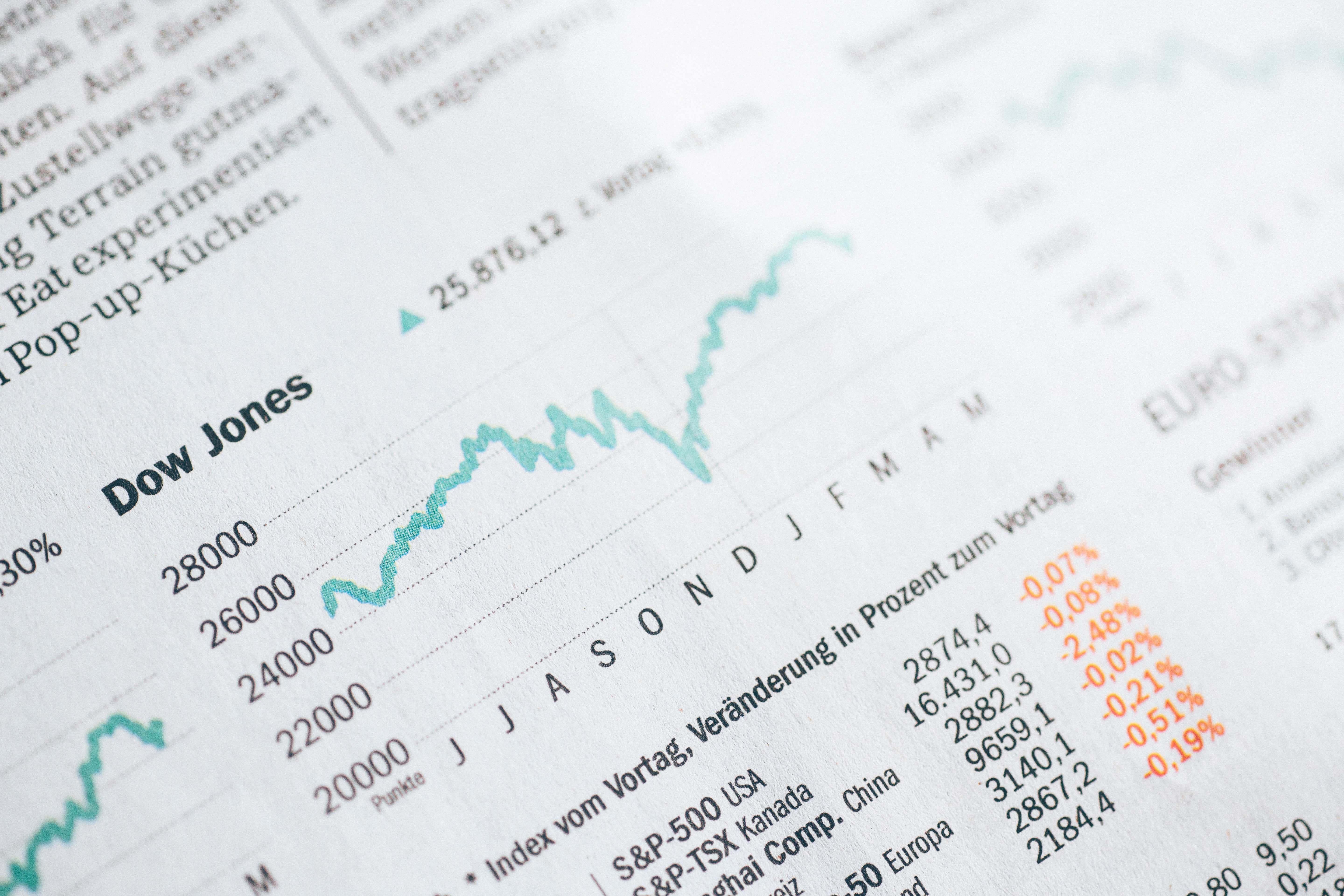
Since the initial announcements of increased tariffs that could start a global trade war in early April of this year, financial markets have largely erased the worst losses that these announcements immediately caused.
- Higher Education
- Article
- Econ Everyday
- Business Cycles
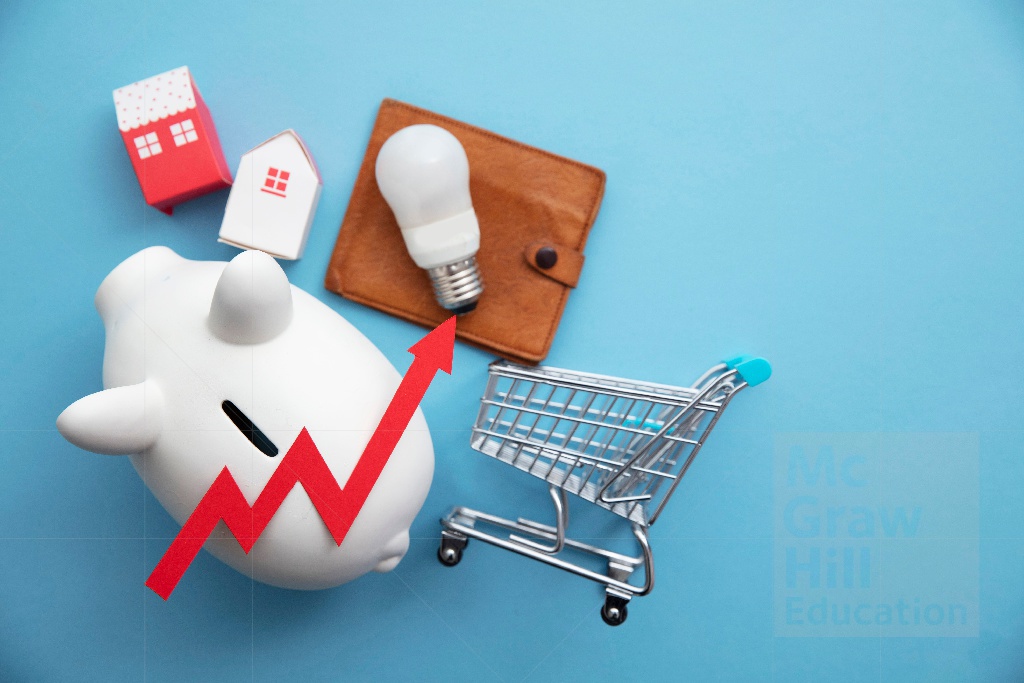
Since the initial announcements of increased tariffs that could start a global trade war in early April of this year, financial markets have largely erased the worst losses that these announcements immediately caused. However, Consumer sentiment has continued to drop amid ongoing concerns that tariffs might send both unemployment and inflation soaring. “There is a souring mood that hangs over the economy,” Diane Swonk, the chief economist at KPMG US, recently wrote on X. Other potential policy changes, including the exploding federal deficit, cuts to safety net programs and reduced immigration are also casting shadows on the economic horizon.
The National Bureau of Economic Research (NBER), who defines a recession as a significant decline in economic activity that is spread across the economy and lasts more than a few months, analyzes a range of monthly indicators such as income, employment, retail and whole sales, and industrial production to determine if a recession is coming. However, there are also more unconventional signs of an economic downturn, including low-maintenance hairstyle trends and an uptick in law school applications.
In 2009, the term "recession hair" was coined by the media, as many ditched their haircut and styling appointments following the 2008 financial crash. Now the term “recession blonde” is trending on social media, which refers to hair that is darker with natural roots grown out. Both terms reflect a change in how consumers allocate their spending towards essentials, like food, housing and healthcare, instead of more discretionary spending.
Another more unconventional economic indicator is the roommate index. Daryl Fairweather, who is chief economist at the real estate brokerage Redfin, states that when people increasingly start bunking up with friends and family, it may be because they’re uneasy about their financial future. According to the National Association of Realtors, 17 percent of homes purchased in 2024 were multigenerational households, and the U.S. Census data shows declining household formation over the past three months. In other words, fewer people are moving out on their own to form new households.
It of course remains to be seen if these alternative indicators can actually predict a future recession, but JP Morgan has increased the likelihood of one to 60 percent, as multiple industries are facing layoffs and a trade war is affecting imported goods.
Discussion Questions:
- Discuss how changes in how consumers allocate their spending can be an indicator of economic expectations. What kind of spending changes would you expect to see prior to a recession is formally declared?
- Discuss the difference between durable and non-durable goods, and how spending on these categories is likely to change with economic conditions. How does housing fit into these categories and what could the housing market reveal about the condition of the greater economy?