How trade policy shapes where and how firms invest globally.
Tags
Blog
Article
Econ Everyday
Higher Education
International Trade and Finance
GDP and Economic Growth
Article Type: Blog
Share:
For decades, the U.S. financial system has been regarded as one of the most stable and powerful in the world. Now, there are fears that something unprecedented may be happening because of President Trump's tariffs: Investors everywhere may be losing their faith in the United States. If true, it would represent a seismic change in the global financial system, in which the U.S. is no longer considered as a safe haven.
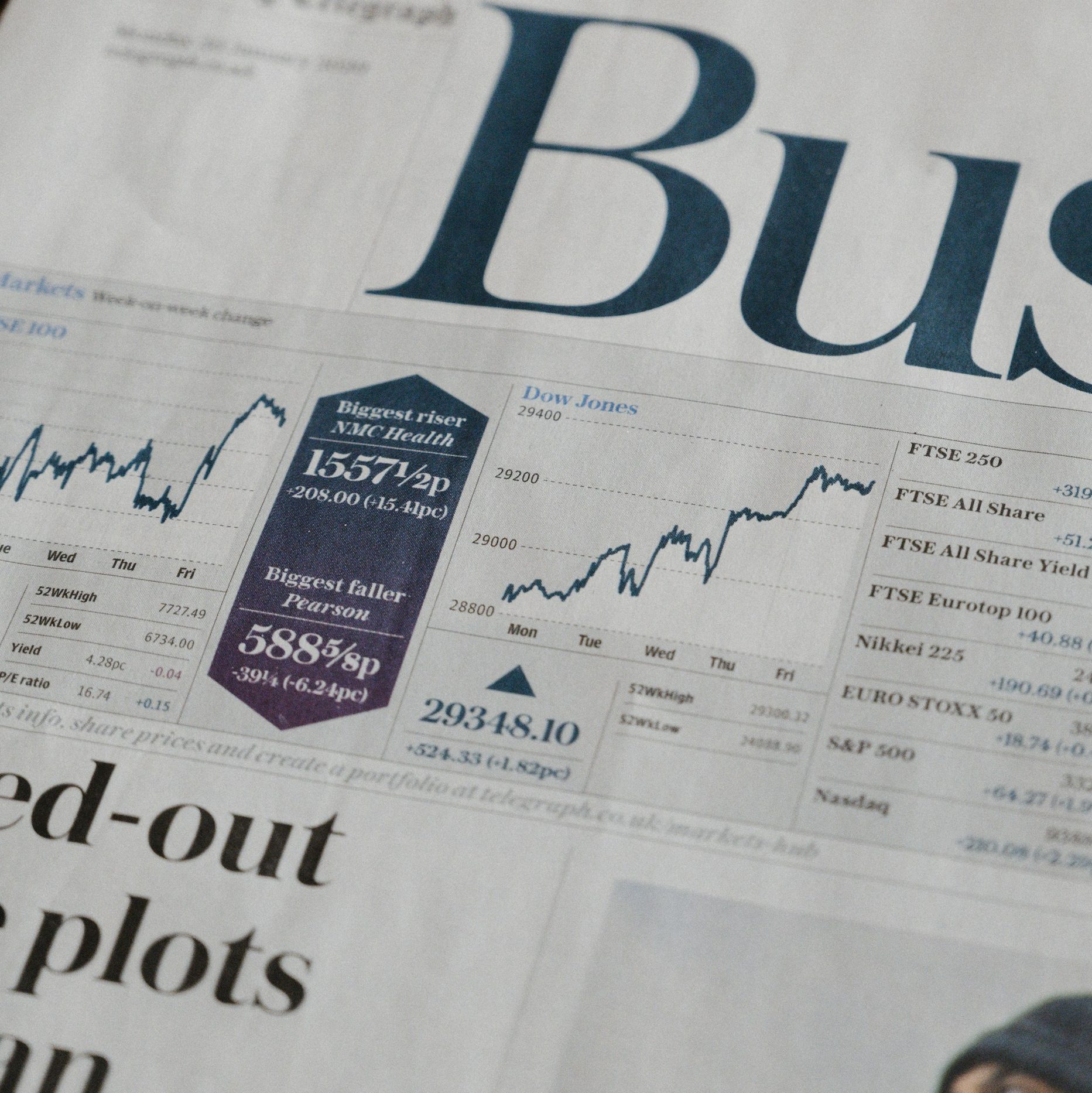
As new tariffs were announced on April 2, stock markets plummeted all over the world. And while stock markets did recovered somewhat after Trump paused many of his tariffs, the Dow Jones Industrial Average it's still down more than 7% since the initial announcement. During times of intense turmoil investors typically rush to buy U.S. government bonds, which are widely considered among the safest holdings in the world. Now some analysists fear that the U.S. may be losing the trust of global investors, who hate unpredictability, and that U.S. borrowers will therefore have to pay higher interest rates to compensation for the additional risk.
However, these recent tariffs may also impact on another type of investment than stocks and bonds, and that is economic investments into the U.S economy. Over the past several months, President Donald Trump has touted tariffs as an effective way to drive widespread investment in U.S. manufacturing. And in recent weeks, major manufacturers like Hyundai and Taiwan Semiconductor Manufacturing Co. have helped support that claim, announcing hundreds of billions of dollars in new manufacturing investments. Still, new semiconductor factories would take a minimum of two years to build and could still likely lead to more expensive products. And while major firms like TSMC and Nvidia have made large-scale investment announcements, smaller manufacturers are less likely to do so while trade and tariff policies remains fluid.
Discussion Questions:
Distinguish between financial investments and economic investments and discuss which type of investment is most important for long-term economic growth.
Explain the concept of risk-free investments and why the U.S. can borrow funds at this relatively low cost. Discuss some of the possible changes that would make U.S. financial assets be perceived as riskier and therefore require a higher rewards for investors.
Exploring strategies countries use to gain trade advantages.
Regional Page Available
It looks like you're outside the United States. Do you want to see your regional version of this page?
Asset Format Type
Asset Format Type/Blog
Education Topics
Education Topics/Courses
Education Topics/Courses/Econ Everyday
Education Topics/Courses/Econ Everyday/GDP and Economic Growth
Asset Format Type/Blog/Article
Education Topics/Courses/Econ Everyday/International Trade and Finance
Business Unit
Business Unit/Higher Education
highered
2026-11-19T16:23:38.001Z
highered Investments and Tariffs How trade policy shapes where and how firms invest globally. Investments and Tariffs How trade policy shapes where and how firms invest globally. Tags Blog Article Econ Everyday Higher Education International Trade and Finance GDP and Economic Growth More Article Type: Blog May 08, 2025 Share: For decades, the U.S. financial system has been regarded as one of the most stable and powerful in the world. Now, there are fears that something unprecedented may be happening because of President Trump's tariffs: Investors everywhere may be losing their faith in the United States. If true, it would represent a seismic change in the global financial system, in which the U.S. is no longer considered as a safe haven. As new tariffs were announced on April 2, stock markets plummeted all over the world. And while stock markets did recovered somewhat after Trump paused many of his tariffs, the Dow Jones Industrial Average it's still down more than 7% since the initial announcement. During times of intense turmoil investors typically rush to buy U.S. government bonds, which are widely considered among the safest holdings in the world. Now some analysists fear that the U.S. may be losing the trust of global investors, who hate unpredictability, and that U.S. borrowers will therefore have to pay higher interest rates to compensation for the additional risk. However, these recent tariffs may also impact on another type of investment than stocks and bonds, and that is economic investments into the U.S economy. Over the past several months, President Donald Trump has touted tariffs as an effective way to drive widespread investment in U.S. manufacturing. And in recent weeks, major manufacturers like Hyundai and Taiwan Semiconductor Manufacturing Co. have helped support that claim, announcing hundreds of billions of dollars in new manufacturing investments. Still, new semiconductor factories would take a minimum of two years to build and could still likely lead to more expensive products. And while major firms like TSMC and Nvidia have made large-scale investment announcements, smaller manufacturers are less likely to do so while trade and tariff policies remains fluid. Discussion Questions: Distinguish between financial investments and economic investments and discuss which type of investment is most important for long-term economic growth. Explain the concept of risk-free investments and why the U.S. can borrow funds at this relatively low cost. Discuss some of the possible changes that would make U.S. financial assets be perceived as riskier and therefore require a higher rewards for investors. References: NPR: https://www.npr.org/2025/04/21/nx-s1-5361202/trump-tariffs-dollar-china-wall-street-bonds, https://www.npr.org/2025/04/09/nx-s1-5357645/trump-tariffs-paused; Supply Chain Dive: https://www.supplychaindive.com/news/trump-tariffs-job-creation-investment-industry-revitalization/745778; Manufacturing Dive: https://www.manufacturingdive.com/news/tsmc-invest-100-billion-us-trump-tariffs/741411/, https://www.manufacturingdive.com/news/nvidia-us-production-blackwell-tsmc-ai-trump-tariffs/745250/, https://www.manufacturingdive.com/news/hyundai-investment-us-tariffs-trump-steel-louisiana/743377/; Unsplash: Photo by Annie Spratt on Unsplash About the Author Per Norander
How trade policy shapes where and how firms invest globally.
Blog, Econ Everyday, GDP and Economic Growth, Article, International Trade and Finance, Higher Education