Cash-Strapped Customers Lead to Declining Sales at Dollar Stores
Budget retailers feel pinch as even value-focused shoppers cut back.
Tags
Entrepreneurship
Inflation
Retail, Marketing and Advertising
Pricing
Product Development
Product Distribution
Supply & Demand
Chapter 1 Taking Risks & Making Profits
Chapter 2 Economics
Chapter 4 Ethics & Social Responsibility
Chapter 6 Entrepreneurship
Chapter 13 Marketing
Chapter 14 Product & Price
Chapter 15 Distribution
Chapter 16 Place & Promotion
Blog
Article
Understanding Business
Higher Education
Article Type: Blog
Share:
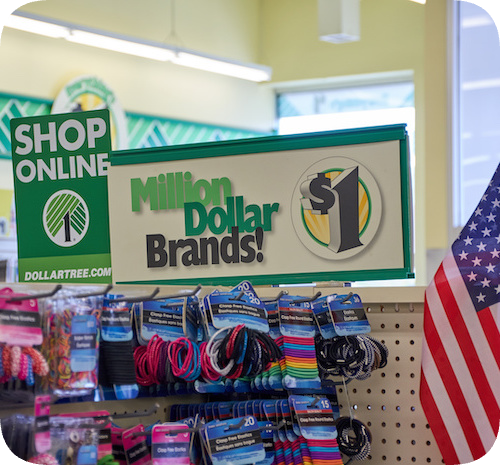
Dollar stores are famous for low prices. Even when economic times get tough, discount retailers usually continue to do well because they draw customers looking to pay less than they would in a typical store. But that’s changing as customers have less money to spend, and now dollar stores are struggling to stay in business. For instance, Family Dollar recently announced it will close 1,000 stores over the next several years while 99 Cents Only filed for bankruptcy this year and closed more than 350 locations. Dollar Tree and Dollar General have also reported much lower sales numbers than expected, causing their stock prices to drop significantly.
Dollar stores claim that customers of all income levels are spending less money per store visit as they face increasing economic pressure on their shrinking budgets. Dollar General, which has more than 20,000 stores mostly in rural towns, says more than 60 percent of its sales come from households that earn less than $35,000 per year. Dollar Tree, meanwhile, operates more than 15,000 stores in urban or suburban neighborhoods, and most of their customers earn more than $125,000 per year. Despite the different consumer bases, both chains say their customers are feeling the pinch from a soft job market, higher borrowing costs, and rising prices for rent, utilities, and healthcare.
Dollar stores are also facing increased competition from off-price retailers, such as T.J. Maxx and Marshalls, as well as big box stores. In fact, Walmart and Target have reduced prices to draw in more shoppers looking for deals, the exact type of customers normally targeted by dollar stores. “When Walmart is doing well, Dollar General struggles,” said former Dollar General executive David D’Arezzo. Dollar stores say they hope customers will start spending more in the second half of the year thanks to back-to-school, Halloween, and the upcoming winter holidays.
Questions:
Why are consumers spending less money at dollar stores like Family Dollar?
What are some ways that dollar stores could possibly attract more customers and increase sales?
highered Cash-Strapped Customers Lead to Declining Sales at Dollar Stores Budget retailers feel pinch as even value-focused shoppers cut back. Cash-Strapped Customers Lead to Declining Sales at Dollar Stores Budget retailers feel pinch as even value-focused shoppers cut back. Tags Entrepreneurship Inflation Retail, Marketing and Advertising Pricing Product Development Product Distribution Supply & Demand Chapter 1 Taking Risks & Making Profits Chapter 2 Economics Chapter 4 Ethics & Social Responsibility Chapter 6 Entrepreneurship Chapter 13 Marketing Chapter 14 Product & Price Chapter 15 Distribution Chapter 16 Place & Promotion Blog Article Understanding Business Higher Education More Article Type: Blog September 10, 2024 Share: Dollar stores are famous for low prices. Even when economic times get tough, discount retailers usually continue to do well because they draw customers looking to pay less than they would in a typical store. But that’s changing as customers have less money to spend, and now dollar stores are struggling to stay in business. For instance, Family Dollar recently announced it will close 1,000 stores over the next several years while 99 Cents Only filed for bankruptcy this year and closed more than 350 locations. Dollar Tree and Dollar General have also reported much lower sales numbers than expected, causing their stock prices to drop significantly. Dollar stores claim that customers of all income levels are spending less money per store visit as they face increasing economic pressure on their shrinking budgets. Dollar General, which has more than 20,000 stores mostly in rural towns, says more than 60 percent of its sales come from households that earn less than $35,000 per year. Dollar Tree, meanwhile, operates more than 15,000 stores in urban or suburban neighborhoods, and most of their customers earn more than $125,000 per year. Despite the different consumer bases, both chains say their customers are feeling the pinch from a soft job market, higher borrowing costs, and rising prices for rent, utilities, and healthcare. Dollar stores are also facing increased competition from off-price retailers, such as T.J. Maxx and Marshalls, as well as big box stores. In fact, Walmart and Target have reduced prices to draw in more shoppers looking for deals, the exact type of customers normally targeted by dollar stores. “When Walmart is doing well, Dollar General struggles,” said former Dollar General executive David D’Arezzo. Dollar stores say they hope customers will start spending more in the second half of the year thanks to back-to-school, Halloween, and the upcoming winter holidays. Questions: Why are consumers spending less money at dollar stores like Family Dollar? What are some ways that dollar stores could possibly attract more customers and increase sales? Sources: Jinjoo Lee, “At Dollar Tree, Even Middle-Income Customers Are Pulling Back,” The Wall Street Journal, Sept. 4, 2024; Nathaniel Meyersohn, “Dollar Stores are Struggling. Blame Walmart,” CNN, Sept. 4, 2024. About the Author NickelsMcHughMcHugh
Budget retailers feel pinch as even value-focused shoppers cut back.