Designing Thinking Classrooms: Bringing Research to Life in K–12 Math Instruction

How McGraw Hill is transforming K–12 math instruction by connecting learning science, classroom-tested strategies, and educator-driven design.


Tags: Article, Blog, Math, Corporate

Math instruction is at a turning point. As educators look for ways to push past passive learning, they face a persistent need to engage students in ways that foster deeper understanding and cultivate student ownership as an everyday practice. At McGraw Hill, our teams are focused on connecting rigorous research with the realities of today’s classrooms, ensuring teachers have practical ways to bring those ideas to life. Hear from Dr. Twana Young, Vice President of Academic Design, and Libby VanWhy, Vice President of Product Experience, on how McGraw Hill collaborates directly with educators to design K–12 math solutions that prioritize student thinking, strengthen teacher confidence, and reflect continuous input from real classrooms. 

When you step back and look across K–12 math instruction, what principles consistently guide the decisions your teams make?

Twana: Student thinking is at the center of everything we design. We want students to grapple with ideas, think critically, and learn from one another, not just follow procedures. We also make math meaningful by connecting it to students’ lived experiences, so abstract ideas feel relevant and accessible. When students experience authentic examples of math in the world around them, they begin to see themselves as capable problem-solvers.

The work is grounded in a set of non-negotiables that reflect what we know from research about how students learn and how teachers can instill a sense of belonging in math. These principles guide us in designing instruction that is active, effective, research-based, and built on meaningful discourse, while focused on the outcome of helping students participate more fully and develop self-efficacy.

Teachers enter classrooms with different backgrounds and levels of experience. How do you design math materials that help them feel confident and capable?

Twana: Teachers are the most important factor in how curriculum comes to life, and their belief in their own ability to teach math effectively directly impacts student learning. That is why we design materials that develop student understanding while supporting instruction and teacher growth. Whether a teacher is new or highly experienced, the goal is to deepen their understanding of mathematics, pedagogy, and student thinking.

We focus on “educative” materials that make the pedagogy behind instruction clear, so teachers understand not just what to do, but why they are doing it. Our goal is to partner with teachers, not script them, so they feel supported at every stage of their career. 

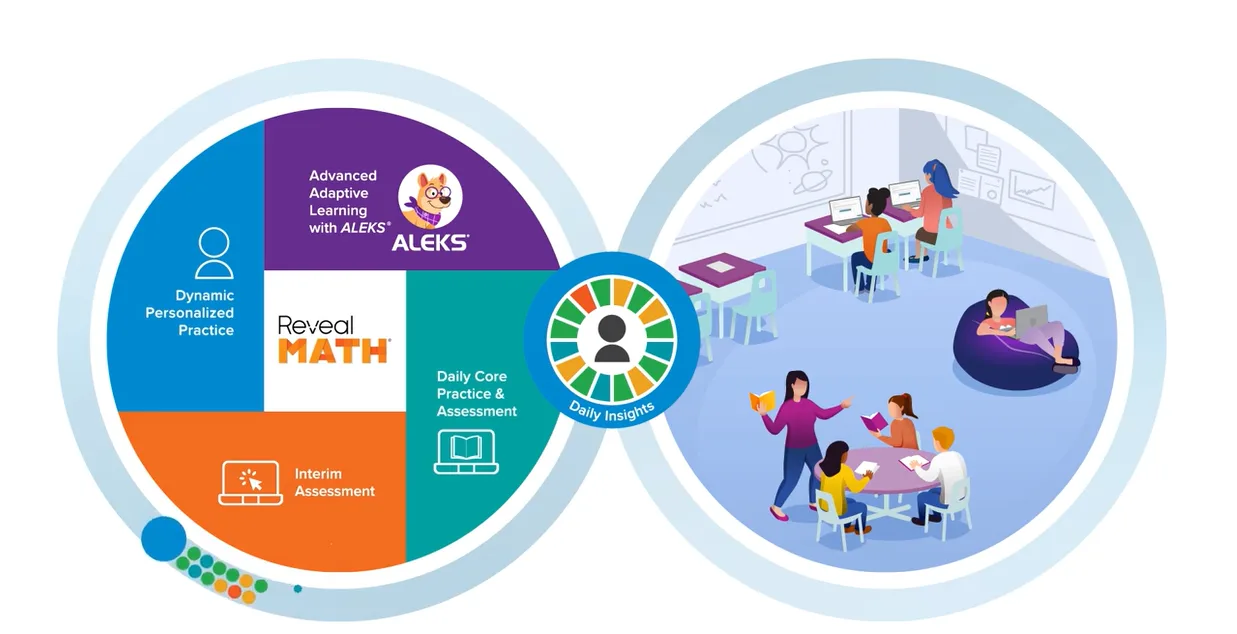
McGraw Hill Math’s personalized learning ecosystem, powered by AI, draws on student performance data to help teachers deliver the best pathway forward.

How do your teams decide what to carry forward from research and shape it into approaches teachers can use every day?

Libby: We integrate research throughout the entire product lifecycle, combining academic studies with user insights, analytics, and real classroom feedback. By testing and iterating with real teachers and students, we learn what is truly working and refine continuously. Being champions for our users means staying responsive and committed to improving the experience over time.

Twana: We also focus on the value for teachers and students. Research must improve outcomes and build confidence, but it also has to fit the realities of the classroom. Our goal is to translate research into clear routines and supports that are practical, accessible, and easy to implement, regardless of a teacher’s experience level.

In real classroom terms, what does it look like when “thinking and talking classrooms” are working well?

Twana: You can feel the difference right away. Students are actively discussing, questioning, and building on each other’s ideas, while the teacher facilitates and guides connections or discussion. Instead of waiting for answers, students take ownership of their learning. Mistakes are treated as opportunities, which helps reduce anxiety and encourages risk-taking. When students can see the ways in which they already interact with math, that helps them feel more comfortable participating in discussion and sharing their thinking.

As AI and personalization evolve, how do you determine when technology adds value versus when teachers should remain in the driver’s seat?

Libby: The best technology should increase teacher agency, not replace it. We focus on using AI to reduce administrative burden, surface insights, and support differentiation so teachers can make better instructional decisions. Tools like McGraw Hill Plus and our AI‑powered adaptive learning solution, ALEKS, work alongside our core math curricula to help educators interpret student data, find relevant resources, and personalize practice.

However, we are equally clear about the limits. If technology removes transparency, overrides teacher decision-making, or creates rigid learning pathways, then it is not serving its purpose. Teachers bring context, empathy, and relationships into the classroom—things technology cannot replicate.

That is why we evaluate every innovation through a human-centered lens, ensuring it supports teaching and learning without getting in the way. The goal is always to empower teachers with the tools and insights they need, while keeping them firmly at the center of instruction. 

An example of ALEKS Adventure, an adaptive AI-powered math journey.