Loss at Sea
The shutdown rule in action: passengers stranded in Cambodia as rising fuel prices force cruise ship company to abruptly halt operations on three-year cruise.
- Higher Education
- Article
- Econ Everyday
- Costs and Production
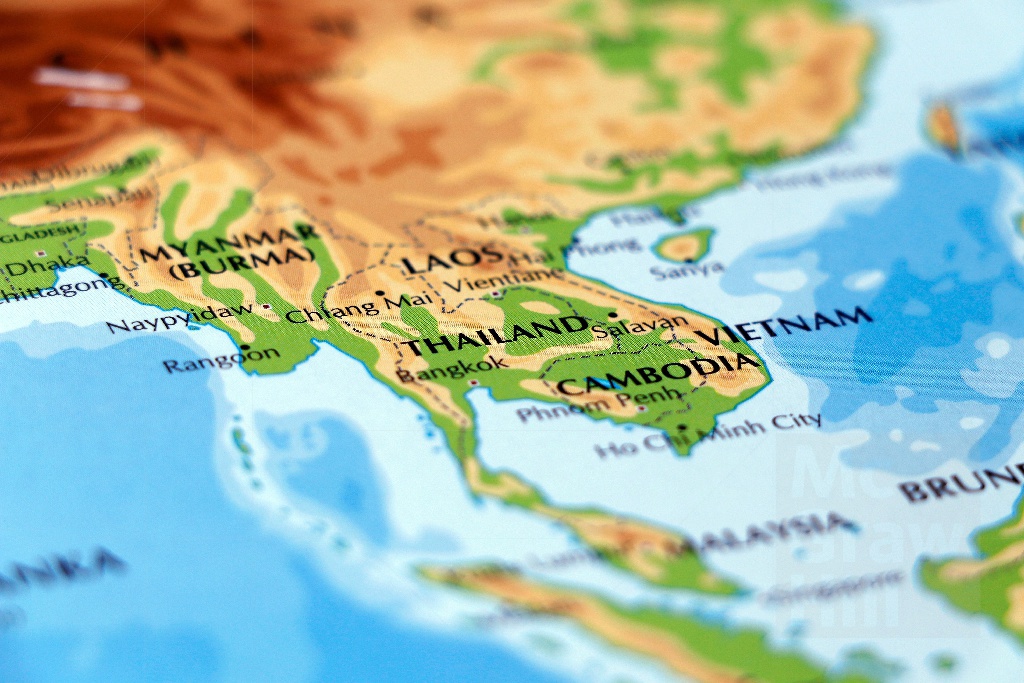
In October 2024, hundreds of people embarked on what they expected to be the journey of a lifetime. However, in October 2026, their adventure came to an abrupt stop. Passengers aboard the cruise ship MV Odyssey were quickly and unexpectedly ordered to disembark the ship in Cambodia, and a few days later the ship left the port without its passengers.
The cruise was sold as a three-year voyage combining life at sea with world travel. Some passengers paid more than $300,000 for a cabin on the ship. Some even sold their homes to participate. But two years after boarding the ship in Belfast, Northern Ireland, the passengers were now stranded in Sihanoukville, Cambodia. The problem, according to the operators, is fuel cost. With conflicts in Iran, Ukraine, and Russia disrupting the global oil supply, fuel prices have spun out of control. The per cabin cost of fuel rose from $1800 per month to as much as $8000 per month. Despite efforts to cut costs elsewhere, e.g. food and shore excursions, the high fuel costs made continuing to operate the ship untenable.
The ship left port under control of the operator’s lenders, and the operators are hoping to negotiate a finance restructuring. If successful, the ship would be able resume their journey. But it is unclear if their passengers will want to continue.
Discussion Questions:
- What are the fixed costs and variable costs associated with a cruise ship?
- What is the “shutdown rule” and how does it apply to this situation?