
Trouble in Mexico Disrupts the U.S. Avocado Market
A security threat stopped inspections in Mexico, interrupting a supply chain that reaches American stores and restaurants.
- Blog
- Article
- Higher Education
- Understanding Business
- Chapter 1 Taking Risks & Making Profits
- Chapter 2 Economics
- Chapter 3 Globalization
- Chapter 4 Ethics & Social Responsibility
- Chapter 9 Production & Operations Management
- Chapter 15 Distribution
- Bonus Chapter A
- Business Law & Economics
- Ethics
- Food & Drink
- Operations Management
- Product Distribution
- Supply Chains
- Supply & Demand
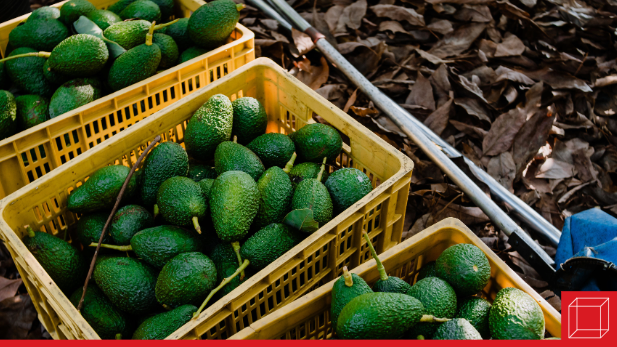
Politics and business may seem like separate worlds, but decisions made by governments can quickly affect companies and customers. Rules about trade, safety, taxes, labor, and other issues influence what companies sell, where they sell it, and how much it costs. The avocado industry is currently providing a clear example of this dynamic at work. More than 80 percent of the avocados eaten in the United States come from Mexico, where American inspectors check the fruit for pests before it can cross the border. But for a week in August, the U.S. suspended government operations in Michoacan, Mexico’s leading avocado-producing state, because of a security threat. During the suspension, inspectors could not approve newly harvested avocados for export. Without those inspections, newly harvested avocados from Michoacan could not be exported to the United States, disrupting the supply chain that connects Mexican farms with American stores and restaurants.
The shutdown is tied to a larger security problem in Michoacan. Cartels operate throughout the state and demand payments from businesses, including avocado producers. American inspectors have also faced violence. In 2024, two inspectors were assaulted and detained, leading the U.S. to stop avocado imports from Michoacan for more than a week. This time, officials did not report a specific attack, but the U.S. suspended operations as a precaution. Mexico is trying to get trade moving again by increasing security in avocado-producing areas, including sending 1,500 additional troops to Michoacan. The stakes are high for the region: the avocado industry supports about 200,000 jobs there, and U.S. customers bought $3.7 billion worth of Mexican avocados in 2025.
It’s too early to know how much the latest shutdown cost Mexican and American businesses. When imports from Michoacan stopped for more than a week in 2024, Mexican growers lost tens of millions of dollars and the U.S. price of a carton of avocados temporarily jumped 40 percent. The threat of future shutdowns remains, and another interruption could have a significant impact on the avocado market. California grows avocados, but not nearly enough to meet U.S. demand. Besides Michoacan, only one other Mexican state is allowed to export them to the United States. That helps explain why governments try to resolve these trade shutdowns in a matter of days: farmers want to sell their crops, and American businesses need the supplies.
Questions:
Why did American authorities recently shut down avocado production in the Mexican state of Michoacan?
What role do American inspectors play in Mexican avocado production?
Maria Verza, “Why Mexican Avocado Exports to the U.S. Have Been Stopped Again,” The Associated Press, August 6, 2026; Michael Rios, “U.S. Suspends Avocado Inspections in Mexican State, Potentially Disrupting Fruit’s Export From Top Producing Region,” CNN, August 6, 2026.

