
Halloween Is Getting Scary Expensive
Candy sales are falling as prices rise, but Halloween costumes and decorations are still bringing in billions.
- Blog
- Article
- Higher Education
- Understanding Business
- Chapter 1 Taking Risks & Making Profits
- Chapter 2 Economics
- Chapter 13 Marketing
- Chapter 14 Product & Price
- Chapter 15 Distribution
- Chapter 16 Place & Promotion
- Entertainment & Travel
- Food & Drink
- Pricing
- Product Development
- Product Distribution
- Retail, Marketing and Advertising
- Supply & Demand
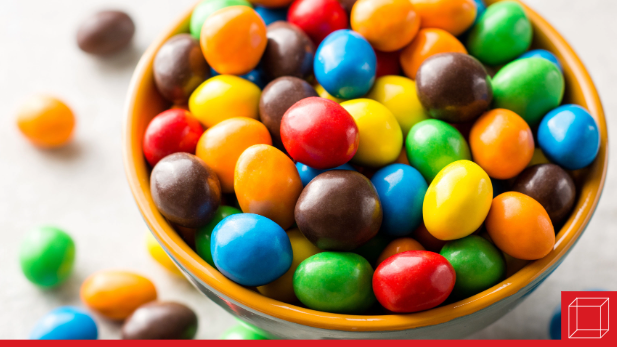
Although Christmas may receive most of the attention for expensive holiday shopping, Halloween is becoming a major spending event of its own. American consumers are expected to spend a record $13.5 billion on Halloween this year, up from $13.1 billion last year. But higher prices are putting pressure on holiday budgets, especially when it comes to candy. This month, Halloween candy sales fell 6.7 percent compared with the same period last year. Candy prices have risen 44 percent over the past five years, nearly twice as much as grocery prices overall. At Aldi, a 135-piece variety pack of chocolate bars now costs about the same as a 250-piece pack did five years ago. With the cost of everyday necessities rising as well, some shoppers have less money left for Halloween treats.
Much of the increase in candy prices comes from cocoa, the main ingredient in chocolate. Poor weather in West Africa, which produces most of the world's cocoa, helped drive cocoa prices to record highs in 2025. Although prices have since fallen, candy makers are still using cocoa purchased when it was more expensive. Some manufacturers have raised prices or changed recipes to reduce costs. For instance, Hershey's faced criticism for using less chocolate in certain Reese's products and has promised to return to the original recipes in 2027. For candy companies, rising production costs create a difficult choice: charge customers more, find ways to make products cheaper, or accept lower profits.
But candy is only part of Halloween's growing price tag. Americans are expected to spend $4.4 billion on costumes and $4.3 billion on decorations, both more than the $4.1 billion forecast for candy. Costume retailers are also facing higher transportation and shipping costs, which can make their products more expensive. Some consumers are responding by comparing prices or reusing costumes and decorations instead of buying new ones. According to a National Retail Federation survey, 34 percent of shoppers said they would reuse or repurpose items if prices were higher than expected. For businesses selling everything from chocolate bars to Halloween costumes, the holiday has become a major source of sales, even as consumers look for ways to celebrate without spending too much.
Questions:
Why are consumers buying less Halloween candy this year?
Do you think some consumers will start to reduce their Halloween spending if prices keep rising? Why or why not?
Dee-Ann Durbin, “Halloween Candy Sales Are Off to a Slow Start amid High Chocolate Prices and Affordability Concerns,” Associated Press, October 24, 2026; Maya Blackstone and Gelila Negesse, “Consumers Face Scarier Halloween Costs This Year. Here's Why.” CBS News, October 26, 2026; Mandy V Applegate, “7 Eye-Opening Stats on What Americans Spend on Halloween,” Yahoo Finance, October 18, 2026.

