
Job Hunting Is Becoming Its Own Industry
Long job searches and tough competition are creating a growing market for companies that serve job seekers.
- Higher Education
- Blog
- Article
- Understanding Business
- Chapter 7 Management &Leadership
- Chapter 8 Organizational Culture & Structure
- Chapter 10 Motivation
- Chapter 11 Human Resource Management
- Chapter 12 Labor Management & Unions
- Company Culture
- Human Resources
- Labor Relations
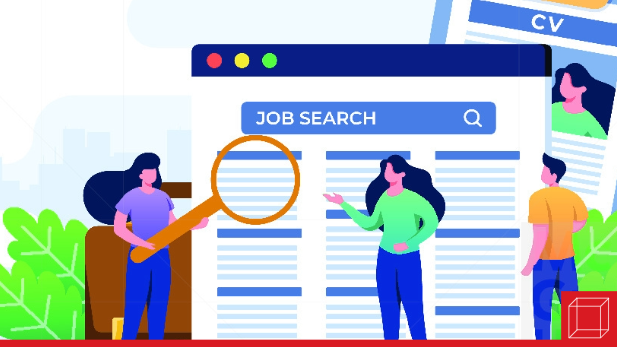
For decades, recruiters worked for employers, not job seekers. Companies hired recruiters to find qualified candidates for difficult-to-fill positions and paid them when they successfully made a hire. Today, that traditional relationship is beginning to change. As white-collar hiring has slowed and job searches stretch to six months or longer, more applicants are paying for services that promise to improve their chances of getting hired. Some subscribe to premium job-search websites, hire career coaches, or pay for résumé-writing software. Others are even turning to "reverse recruiters," who search for jobs, tailor applications, and contact hiring managers on a candidate's behalf. Finding a job is becoming a market of its own.
That market has grown because job hunters face more competition for work than they did even a few years ago. “Just applying for a role and waiting for someone to respond is not enough,” said Nancy D'Onofrio, director at a multinational HR company. Businesses are responding with products and services designed to help candidates stand out, from AI-powered résumé tools to full-service recruiting agencies. Some reverse recruiters charge monthly fees, while others take a percentage of a client's first-year salary after they are hired. For these companies, job seekers have become a new group of potential customers.
The growing industry raises new questions for people on the job hunt. Career coaches, résumé writers, and reverse recruiters are legitimate businesses, but experts caution that paying for these services does not guarantee a job. Applicants should research any company before paying for assistance and be cautious of employers that ask candidates to pay simply to apply for a position, which is often a sign of a scam. As long as hiring remains competitive, businesses will likely continue developing new ways to help people search for work. The result is a labor market where finding a job increasingly requires not only time and effort, but also deciding whether paying for extra help is worth the cost.
Questions:
Why are many job candidates reaching out to recruiters and other job-seeking services?
What are some potential benefits and drawbacks of using job recruiters?
Megan Lawton, “How Applying for a Job Became Much More Expensive,” BBC, October 21, 2025; Lindsay Ellis, “Job Hunters Are So Desperate That They’re Paying to Get Recruited,” The Wall Street Journal, February 8, 2026.


