
Hot Sauce Makers Feel the Heat from Pepper Shortages
Storms and crop diseases are increasing key ingredient costs for Caribbean manufacturers.
- Higher Education
- Blog
- Article
- Understanding Business
- Chapter 1 Taking Risks & Making Profits
- Chapter 2 Economics
- Chapter 3 Globalization
- Chapter 6 Entrepreneurship
- Chapter 9 Production & Operations Management
- Chapter 14 Product & Price
- Chapter 15 Distribution
- Entrepreneurship
- Food & Drink
- Inflation
- Operations Management
- Pricing
- Product Distribution
- Supply Chains
- Supply & Demand
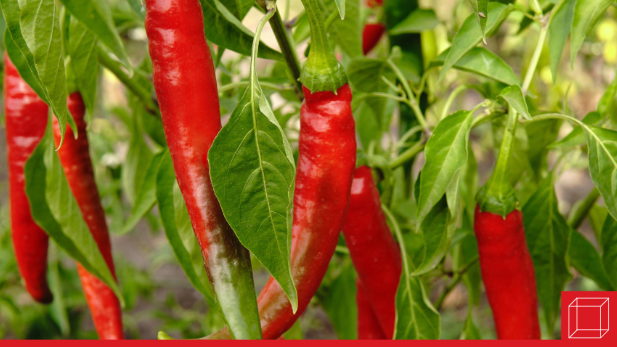
Scotch bonnet peppers are a key ingredient in Jamaican hot sauce and jerk seasoning, making them an important part of Caribbean cuisine. They’ve also become popular exports, with Jamaican hot sauce frequently appearing on grocery shelves in the U.S. and Canada. But the peppers that give these products their signature heat and flavor have become much harder to grow. Back-to-back hurricanes, heavy rain, pests, and plant diseases have damaged crops across Jamaica, one of the world's leading producers of Scotch bonnet peppers. As supplies shrink, pepper prices have risen sharply, putting pressure on hot sauce makers.
For manufacturers, the shortage is creating both higher costs and difficult business decisions. After one recent hurricane, the price of Scotch bonnet peppers briefly increased tenfold, meaning peppers that once cost around $1 could suddenly cost about $10. Some companies have had to reduce production or delay customer orders because they could not find enough peppers. Other producers try to build up months of inventory before hurricane season, which ties up cash in the short term but helps to put items on store shelves during a shortage. Hot sauce makers are also testing different pepper varieties or investing in research to develop plants that can better survive disease and extreme weather.
The shortages show how climate-related disruptions can affect businesses long before consumers notice. Food companies that rely on a single crop cannot simply replace it with another ingredient, especially when customers expect a specific flavor. Instead, they often have to spend more money on inventory, farming partnerships, and research while dealing with higher ingredient costs. Shoppers still expect to find hot sauce in stores, but they may see higher prices or fewer choices as companies work to adapt to a less predictable growing season. As extreme weather becomes more common, keeping familiar products on store shelves may require businesses to invest more time and money into protecting their supply chains.
Questions:
Why have spicy products like Jamaican hot sauce become more expensive recently?
What are some strategies that pepper growers and hot sauce makers are using to combat rising costs?
Gemma Handy, “Caribbean Hot Sauce Producers Warn of Shortages and Higher Prices,” BBC, May 31, 2026; Natalie Stechyson, “Jamaican Scotch Bonnet Prices Soar amid Shortage, Putting the Squeeze on Hot Sauce,” CBC News, June 6, 2026.

