
Why Spirit Airlines Could No Longer Afford to Fly Cheap
Rising fuel costs and debt took a toll on Spirit’s low fare business model.
- Higher Education
- Blog
- Article
- Understanding Business
- Chapter 1 Taking Risks & Making Profits
- Chapter 2 Economics
- Chapter 3 Globalization
- Chapter 6 Entrepreneurship
- Chapter 9 Production & Operations Management
- Chapter 13 Marketing
- Chapter 14 Product & Price
- Chapter 15 Distribution
- Branding
- Entertainment & Travel
- Entrepreneurship
- Inflation
- Pricing
- Product Development
- Product Distribution
- Supply & Demand
- Transportation
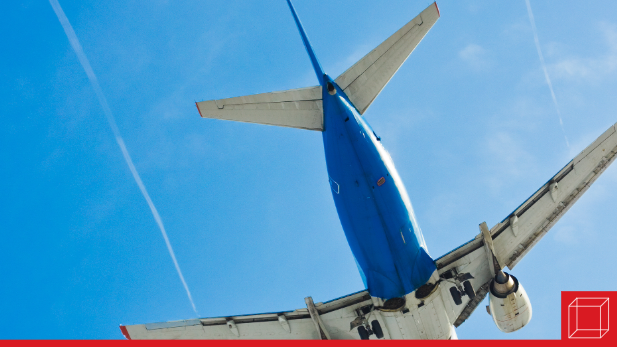
For years, Spirit Airlines built its business around the promise of flying for less. The airline was known for ultra-cheap base fares that attracted budget-conscious travelers willing to give up comforts like free carry-on bags, seat selection, or onboard snacks. That strategy helped Spirit carve out a place in the airline industry, particularly after the Great Recession made travelers more focused on price. But the same low-cost model that allowed Spirit to compete also left it vulnerable when conditions in the global economy shifted. In May, the airline abruptly shut down operations after months of financial strain, canceling all flights and beginning the process of liquidation.
Airlines operate with unusually high operating costs, and fuel is one of their largest expenses. Spirit had already struggled financially in the years following the pandemic, facing rising debt, weaker demand among budget travelers, and failed merger attempts with larger carriers. But soaring jet fuel prices following the outbreak of war with Iran added even more pressure to a business that had little financial flexibility left. Still, shutting down did not solve all of Spirit’s problems. The airline leased most of its planes, leaving it with relatively few assets to sell beyond engines, gates, and landing slots.
Spirit’s collapse reflects the difficult balance behind many low-cost business models. Keeping prices low can attract large numbers of customers, especially during periods when consumers are focused on affordability. But competing on price often leaves a company with smaller profit margins and less room to absorb sudden cost increases. Industries like air travel are especially sensitive to outside pressures because fuel prices, geopolitical conflicts, labor expenses, and economic slowdowns can quickly reshape operating conditions. After many years of offering some of the cheapest flights in the country, Spirit found it impossible to survive in a business environment where nearly every cost was rising at once.
Questions:
What are some reasons why Spirit Airlines shut down?
Why are companies with low-cost business models especially vulnerable to sudden cost increases?
Leslie Josephs, “‘Godspeed My Friend’: Inside the Final Hours of Spirit Airlines,” CNBC, May 2, 2026; Joel Rose, “With Spirit in Liquidation, Here's What Happens Next to its Planes,” NPR, May 8, 2026.

