
The World Cup Brings the World to America
International visitors are introducing U.S. businesses to new customer expectations.
- Higher Education
- Blog
- Article
- Understanding Business
- Chapter 1 Taking Risks & Making Profits
- Chapter 3 Globalization
- Chapter 6 Entrepreneurship
- Chapter 13 Marketing
- Chapter 14 Product & Price
- Chapter 15 Distribution
- Entertainment & Travel
- Entrepreneurship
- Food & Drink
- Pricing
- Product Distribution
- Retail, Marketing and Advertising
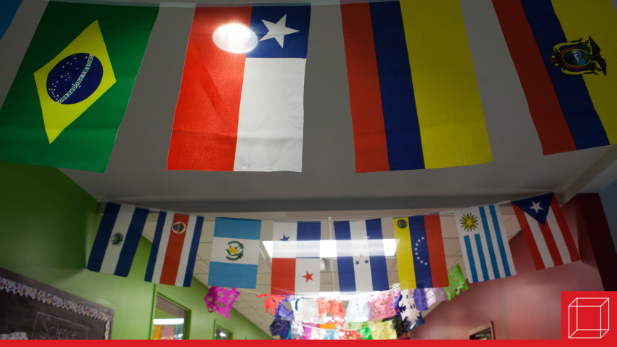
Globalization isn’t just about bringing American businesses to customers around the world. This summer, the FIFA World Cup is bringing the world to American businesses. Restaurants, bars, and retailers in host cities are welcoming international visitors who have very different cultural expectations. For example, many visitors come from countries where restaurant workers earn a regular wage and tipping is uncommon or already included in the bill. Others are surprised that sales tax is added at checkout instead of being included in menu prices. As international fans fill businesses across the country, many are asking employees how tipping works or whether it is expected at all.
Those differences matter because many American restaurant workers depend on tips for much of their income. Some servers have reported large tables leaving only a few dollars because visitors were unfamiliar with U.S. customs, even after spending hundreds of dollars on food and drinks. Some restaurants have responded by adding automatic gratuities to checks, while others have trained employees to explain local tipping practices to international guests. Restaurant supplier Sysco has even worked with technology companies to provide handheld payment devices since many European visitors are not accustomed to servers taking their credit cards away to process a payment.
Despite the challenges, the World Cup is also creating new opportunities for American businesses to connect with a global audience. Visitors are filling social media with videos of grocery stores, oversized restaurant meals, free ice water, and other everyday experiences that Americans often take for granted. Those posts introduce local restaurants, retailers, and neighborhoods to millions of people around the world. They also give Americans a chance to see their own culture through a visitor's eyes. As one tourism expert explained, "A giant supermarket aisle, free ice water, refillable drinks or a cheerful grocery clerk may be just another Tuesday for Americans, but for someone visiting from Scotland, Brazil or Japan, these experiences are fascinating cultural discoveries."
Questions:
How have American businesses responded to foreign tourists unfamiliar with customs like tipping?
What are the potential benefits for American businesses that go viral on global social media?
Bethany Braun-Silva, “World Cup Visitors Are Going Viral for Their Reactions to Everyday American Life,” ABC News, June 16, 2026; Cagil Kasapoglu and Sakshi Venkatraman, “World Cup Fans Frustrated by 'Confusing and Expensive' Tipping Culture in U.S.,” BBC, June 26, 2026.

