
The World Cup Is Transit's Biggest Audition Yet
Transit agencies are expanding service and adding capacity ahead of the big tournament.
- Higher Education
- Blog
- Article
- Understanding Business
- Chapter 1 Taking Risks & Making Profits
- Chapter 2 Economics
- Chapter 3 Globalization
- Chapter 9 Production & Operations Management
- Chapter 13 Marketing
- Chapter 14 Product & Price
- Chapter 15 Distribution
- Entertainment & Travel
- Operations Management
- Pricing
- Product Development
- Product Distribution
- Supply & Demand
- Transportation
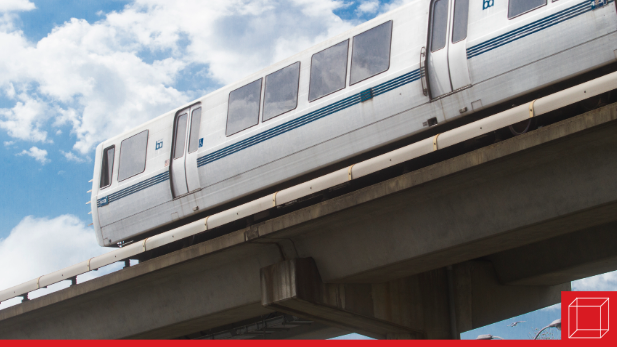
The 2026 FIFA World Cup is expected to bring millions of visitors to the United States, Canada, and Mexico, giving rail and bus operators a rare opportunity to introduce new riders to public transportation. With matches spread across 16 host cities and airfare and fuel costs remaining elevated, many fans are expected to rely on trains, commuter rail systems, subways, and intercity buses to travel between venues. Transit agencies across North America are expanding service, adding capacity, and investing in infrastructure in hopes of attracting new riders and improving perceptions of public transportation.
Capturing that opportunity will not be easy. Many transit systems are already operating with limited capacity, aging infrastructure, and rising operating costs. Rail operators are preparing for heavy demand on popular routes, while local agencies must balance the needs of visiting fans with those of regular commuters. Additional spending on security, maintenance, and special event services has prompted some operators to raise fares, drawing criticism from fans and public officials. NJ Transit faced backlash after proposing a $150 round-trip fare for World Cup travelers heading to MetLife Stadium, ultimately lowering the price to $98 for a trip that normally costs less than $13.
For transit providers, the impact from the World Cup will last long after the final whistle. The tournament will introduce millions of visitors to transit systems across North America, making it a rare opportunity to convert occasional riders into regular users. But the event is also a high-profile test. Overcrowded platforms, delays, and service disruptions could leave a bad lasting impression, especially for riders who already had to pay inflated prices for fares. For transit agencies, the World Cup represents both an opportunity to win new riders and a risk of reinforcing existing criticisms.
Questions:
What are some potential benefits and drawbacks of World Cup crowds for transit services across the country?
Do you think the World Cup will make Americans more willing to use public transit? Why or why not?
Frank Pingue and Ed White, “World Cup Gives North American Transit a Chance to Shine - or Be Booed,” BBC, June 3, 2026; Benton Graham, “Amtrak is Smashing Ridership Records. Is It Ready to Handle the World Cup?” The Guardian, May 24, 2026.

