Your Morning Cup of Joe
If you’ve been wondering why it seems like your morning coffee keeps getting more expensive, you’re probably not alone. Recently released numbers on the U.S. economy show that consumer prices continue to rise especially on some grocery items and other consumer products.
- Higher Education
- Article
- Econ Everyday
- Macroeconomics
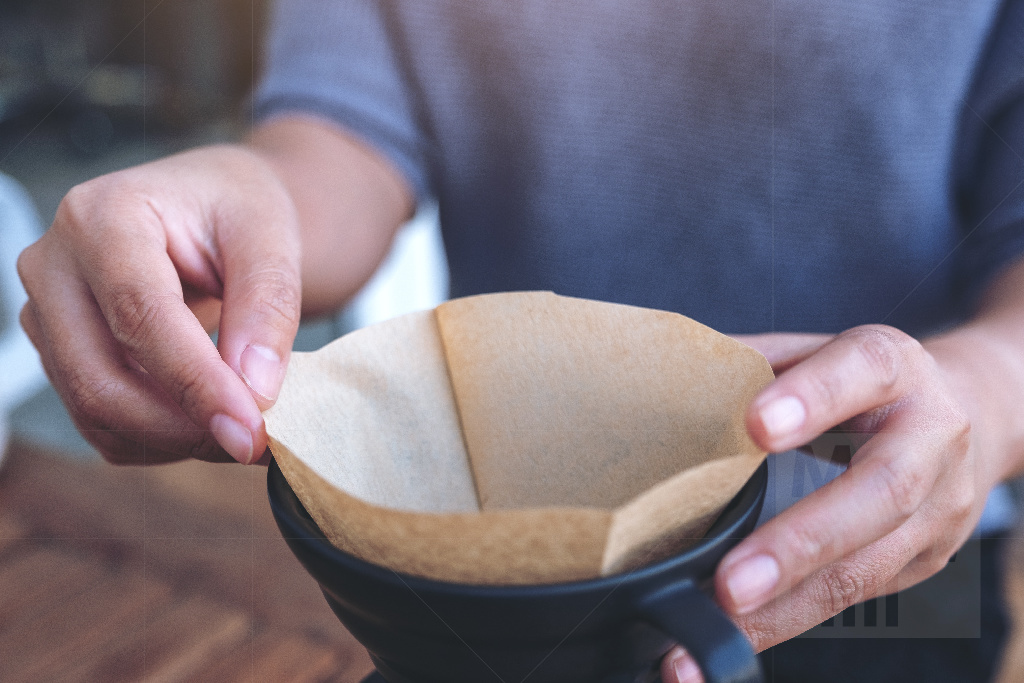
If you’ve been wondering why it seems like your morning coffee keeps getting more expensive, you’re probably not alone. Recently released numbers on the U.S. economy show that consumer prices continue to rise especially on some grocery items and other consumer products. The price of coffee, for example, is up some 20 percent compared to a year ago, thanks in part to high tariffs levied on coffee producing countries. Indeed, the latest consumer price index (CPI) shows that while overall inflation appears to be moderating, food and rent costs continue to be problematic. One bright spot for consumers: eggs. The price of eggs has come down significantly from previous highs. Why is the CPI important? Well, it factors into economic policy decisions.
The Federal Reserve, for example, uses the CPI along with other information when deciding whether to adjust interest rates. If the central bank thinks the economy is running a little too hot, it could decide to raise interest rates. In contrast, if it seems like the economy is cooling, the Federal Reserve might try to heat it up by making it easier to borrow through lower interest rates. Given that rising food prices are helping to keep inflation above the targeted rates, it seems that for now, interest rates will remain the same. So, given that food inflation seems to be stuck in high gear, what’s it going to take to bring down the price of that morning cup of Joe? Well, from a policy standpoint, reducing or eliminating tariffs could help, but at least for now, it seems that your caffeine buzz will continue to be expensive.
Discussion Questions:
- What is the consumer price index (CPI) and what can policy makers learn from it?
- The recently released consumer price index (CPI) showed that overall inflation is moderating, yet prices for food and rent continue to rise. How do you think policy makers will respond to this most recent report? In your opinion, should the Federal Reserve lower interest rates? Why or why not?
https://www.reuters.com/business/us-consumer-prices-increase-expected-december-2026-01-13/; https://abcnews.go.com/Business/grocery-price-inflation-picking-defying-trumps-claims/story?id=129237545; https://www.cnbc.com/2026/01/13/cpi-inflation-report-december-2026.html; https://www.cnbc.com/2026/01/13/cpi-inflation-report-december-2026.html