
Rethinking Sustainability in the Flower Industry
The complex global floral system is increasingly unappealing to younger consumers.
- Higher Education
- Blog
- Article
- Understanding Business
- Chapter 1 Taking Risks & Making Profits
- Chapter 2 Economics
- Chapter 3 Globalization
- Chapter 4 Ethics & Social Responsibility
- Chapter 6 Entrepreneurship
- Chapter 9 Production & Operations Management
- Chapter 13 Marketing
- Chapter 14 Product & Price
- Chapter 15 Distribution
- Branding
- Entrepreneurship
- Ethics
- Pricing
- Product Distribution
- Retail, Marketing and Advertising
- Supply & Demand
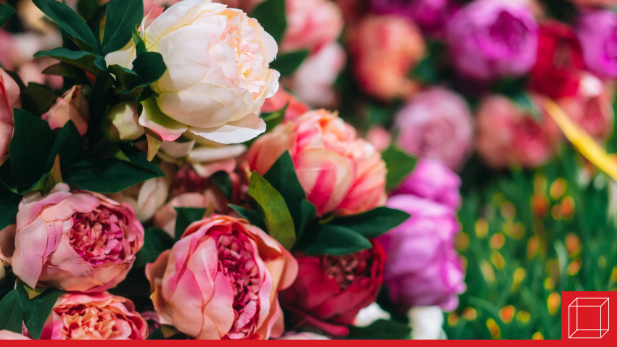
While the floral industry may seem colorful and quaint, it depends on a sprawling system to make bouquets available in stores at almost any time of year. Most fresh flowers sold in North America are grown in other countries, typically thousands of miles away. They come from large farms that grow one type of flower at a time and are then cut, cooled, and transported by airplane to reach stores quickly. Although this ensures a near constant supply of flowers, it also uses large amounts of energy and creates pollution through air travel, refrigeration, and industrial farming. As climate concerns grow, younger customers are largely not interested in supporting industries that rely so heavily on pollution and long-distance shipping.
But pulling away from the global flower system is not as easy as it sounds. Local flower shops cannot offer the same year-round, uniform products that the worldwide industry provides. Small sellers’ supplies depend on the season, weather, and what can be grown nearby, which means volumes are smaller and availability can change from week to week. Florists who work with local growers must plan carefully around these limits instead of ordering from large catalogs. Profit margins can rise or fall with each harvest. To make this model work, florists also spend more time educating customers about seasonality and managing expectations.
Still, many Gen Z consumers appear willing to work within these limits to get flowers without the significant environmental cost. Instead of demanding perfect flowers year-round, they are choosing seasonal bouquets, dried flowers, or potted plants that last beyond a single event. Some even grow their own flowers for weddings and celebrations, while others reuse arrangements or preserve them rather than throwing them away. These choices often require more flexibility and planning, but many young buyers see that as part of the tradeoff. Because sustainability and meaning matter more than uniformity or speed, florists and growers are adapting how they sell flowers to reflect new values, not just new products.
Questions:
How does the global flower industry ensure that fresh flowers are available in stores throughout the year?
Why are many young consumers drawn to small flower shops? What are the benefits and drawbacks of these stores?

