Sugar: The New Sin
Want sugar in that? It could cost you more. That’s right, prepackaged milkshakes, canned coffee products, and other milk-based drinks could soon get a little less sweet for consumers in England.
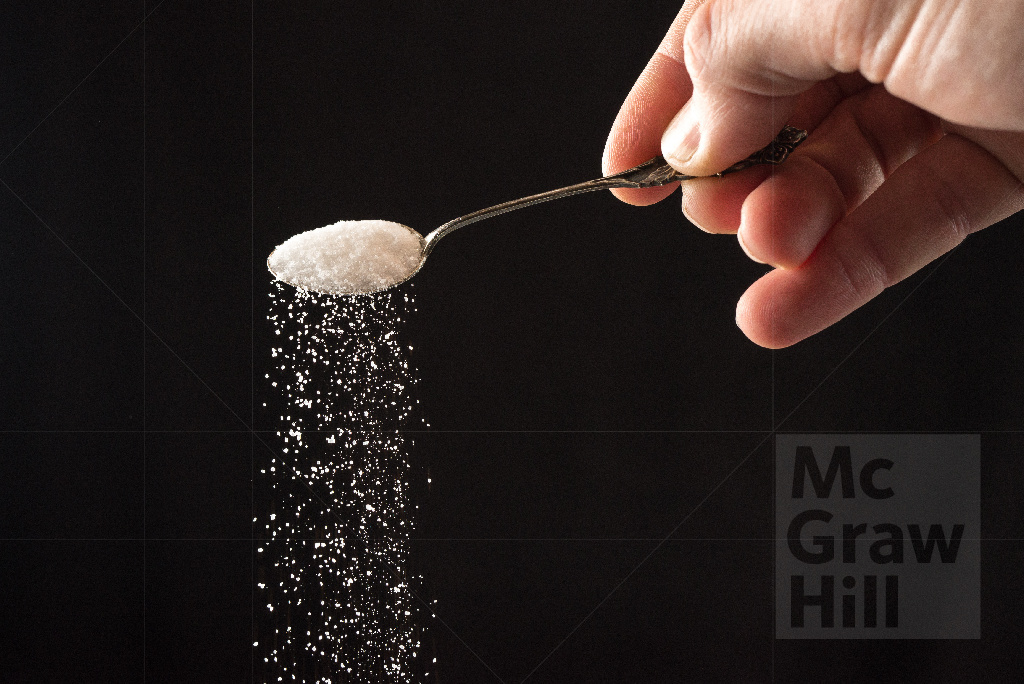
Want sugar in that? It could cost you more. That’s right, prepackaged milkshakes, canned coffee products, and other milk-based drinks could soon get a little less sweet for consumers in England. Why? The government is planning to expand its sugar tax. The Soft Drinks Industry Levy (SDIL) as it’s known, was first imposed on soft drinks in 2016, with the goal of encouraging producers to reduce the amount of sugar in their products. At the time, milk-based drinks were excluded. Now though, the tax will target prepackaged milk-based products as well. Producers will have the choice of either reducing the sugar in their products or paying the tax.
The move comes as obesity rates in the United Kingdom continue to rise. Today, about two-thirds of the country’s population is obese or overweight. According to England’s health secretary, consumption of products high in sugar is causing obesity and costing the country’s National Health System (NHS) billions every year. The government sees an expansion of the sugar tax as a meaningful step to a healthier population. Just how producers and consumers will react to the government’s efforts to reduce sugar consumption is unknown. What is clear though, is that the government either expects to save money on national health care or collect additional revenues. For the government, both outcomes seem like a sweet deal.
Discussion Questions:
- The new sugar tax on prepacked milk-based products is an extension of an existing tax on canned soft drinks. Who ultimately pays the tax – the consumer or the producer?
- Discuss the use of sin taxes. What are the implication of sin taxes for consumers? Is it fair to charge all consumers buying canned milkshakes a tax designed to help limit obesity? Does the tax represent an unfair burden on people at a healthy weight?
https://www.reuters.com/business/healthcare-pharmaceuticals/britain-end-exemption-milk-based-drinks-sugar-tax-2025-11-25/; https://www.bbc.com/news/articles/c1w9jg89glro; https://www.bloomberg.com/news/newsletters/2025-11-28/uk-budget-widens-sugar-tax-to-milkshakes-in-supermarkets?embedded-checkout=true