Why Ranchers Have a Beef with Argentine Imports
If you’ve been cutting back on steak and burgers because of their high cost, you’ll probably be delighted with the recent announcement from the White House that the United States is lowering tariffs on beef imports from Argentina.
- Higher Education
- Article
- Econ Everyday
- Agriculture Economics
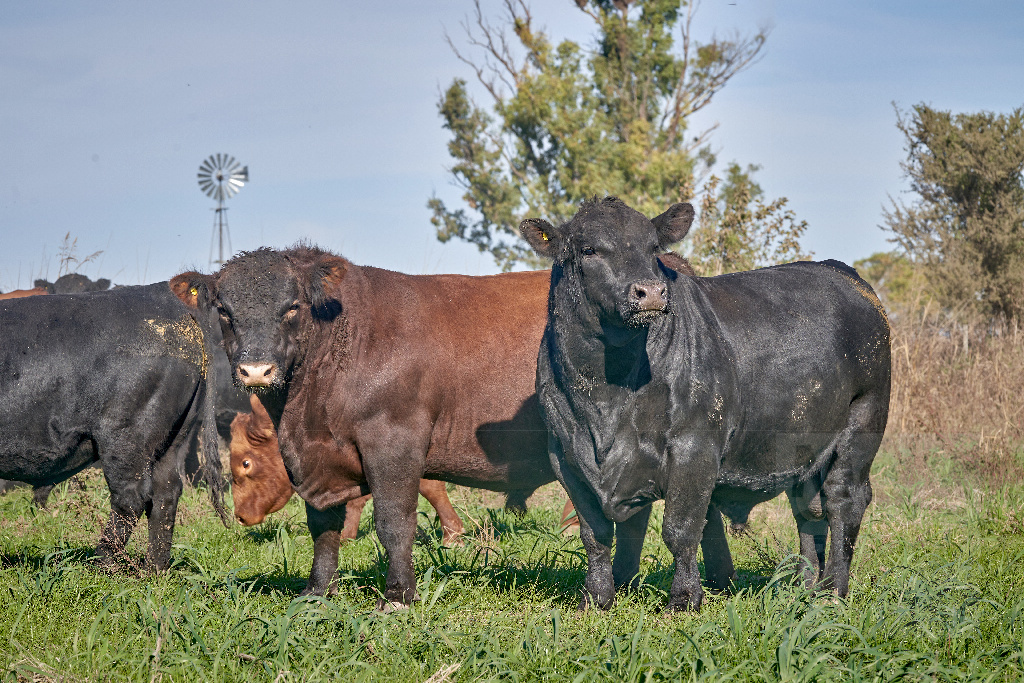
If you’ve been cutting back on steak and burgers because of their high cost, you’ll probably be delighted with the recent announcement from the White House that the United States is lowering tariffs on beef imports from Argentina. Lower tariffs typically mean lower prices for consumers. If you’re a U.S. cattle rancher, the news is probably not as welcome. After a long uphill climb following droughts that caused feed prices to soar, and consolidation within the meat packing industry that reduced the number of buyers, the U.S. beef industry is finally back on its feet. U.S. beef prices are at record highs. Now, ranchers fear that the new policy on imports could change all of that. Allowing cheaper Argentine beef into the country by lowering tariffs would force U.S. producers to lower their prices, cutting into their profits.
Ranchers claim those profits are essential to their ability to reinvest in their herds and protect the future of the U.S. beef supply. Consumers, though, already stretched from rising prices on other goods, would welcome the prospect of lowering their food bills. According to the White House, increasing beef imports from Argentina could also provide a much needed boost to the Argentine economy. America’s cattle ranchers, however, believe that the focus should be on the U.S. economy and U.S. producers. Yet protecting U.S. cattle ranchers could come at the expense of protecting U.S. consumers. Thanks to current high tariffs, U.S. cattle ranchers have been protected from lower cost beef imports. This has allowed the price of U.S. beef to rise to its very profitable highs. Indeed, lower beef prices, while beneficial for American consumers, could be devasting for American beef producers. Now, those beef ranchers are speaking out, hoping to stop the move to lower tariffs. And, while American consumers may be sympathetic to the plight of the ranchers, lower costs at the grocery store also hold great appeal.
Discussion Questions:
- What does the announcement from the White House that the U.S. will soon import more beef from Argentina tell you about the interdependency between nation and the benefits of global trade?
- Discuss the complexities of trade and tariffs. Why might U.S. producers welcome tariffs while at the same time, U.S. consumers oppose them? In your opinion, should the United States limit imports of beef from Argentina or move to increase beef imports?
https://www.nytimes.com/2025/10/23/business/ranchers-trump-anger-trumps-plan-lower-beef-prices.html; https://www.npr.org/2025/10/23/nx-s1-5583624/trump-beef-argentina-prices-cattle; https://www.reuters.com/world/americas/trump-quadrupling-argentina-beef-tariff-rate-quota-80000-metric-tons-2025-10-23/; https://www.msnbc.com/morning-joe/watch/drought-is-causing-high-beef-price-senator-defends-trump-s-argentina-plan-250569285769