The Decision to Go Solar
Across America, more are choosing to cut their utility bills by installing solar panel systems on their rooftops.
- Higher Education
- Article
- Econ Everyday
- Behavioral Economics
- Consumer Behavior
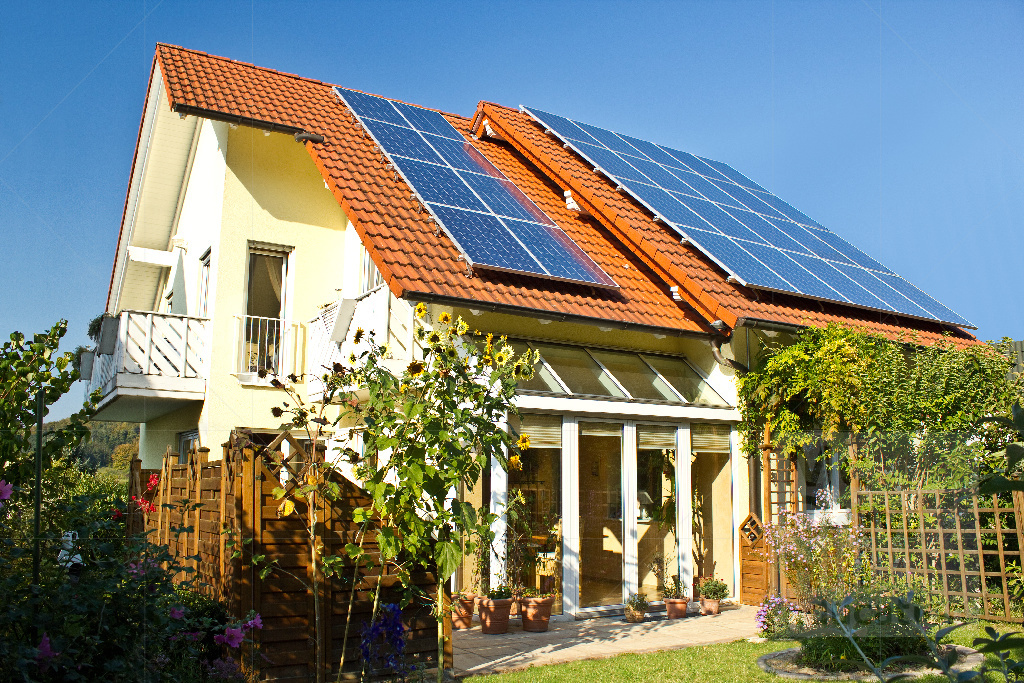
Across America, more are choosing to cut their utility bills by installing solar panel systems on their rooftops. According to a Solar Reviews report, nearly 5 million households in America had installed solar panels on their rooftops as of early 2025. This equates to about 7 percent of homes in America. This number is expected to climb to 15 percent by 2030. These percentages would indicate that we are still a long time away from solar panels being installed on most household rooftops. What could explain this phenomenon?
In behavioral economics, the concept of myopia plays a critical role in these types of decisions. Economists refer to the word myopia to describe the human brain’s difficulty in conceptualizing the future. For most of us, our brains are very good at weighing current costs versus benefits when making immediate decisions. However, our brains seem to stumble when it comes to weighing future costs versus benefits. Myopia discourages most consumers from wanting to reap the net benefits since they focus too strongly on the upfront costs associated with installing solar panels rather than focusing on savings in the long run.
In sunny states like California, Nevada, and Florida, solar panels can make up for the cost of installation in just a few years by significantly reducing or possibly eliminating a household’s electricity bill. As of Q1 2025, California households received 33.73 percent of their electricity from solar followed closely by Nevada with 32.53 percent. Surprisingly, Florida households only received 9.24 percent electricity from solar.
Discussion Questions:
- How does the concept of myopia impact a consumer’s decision to install solar panels on their rooftop? Explain.
- How does a homeowners’ decision to forgo installing solar panels lead to market inefficiency? Explain.