
Polish Lace Is in High Demand by High Fashion Houses
Designers want unique materials made by gifted artisans.
- Higher Education
- Blog
- Article
- Understanding Business
- Chapter 1 Taking Risks & Making Profits
- Chapter 2 Economics
- Chapter 3 Globalization
- Chapter 6 Entrepreneurship
- Chapter 9 Production & Operations Management
- Chapter 13 Marketing
- Chapter 14 Product & Price
- Chapter 15 Distribution
- Entrepreneurship
- Manufacturing & Packaging
- Pricing
- Product Development
- Product Distribution
- Retail, Marketing and Advertising
- Supply & Demand
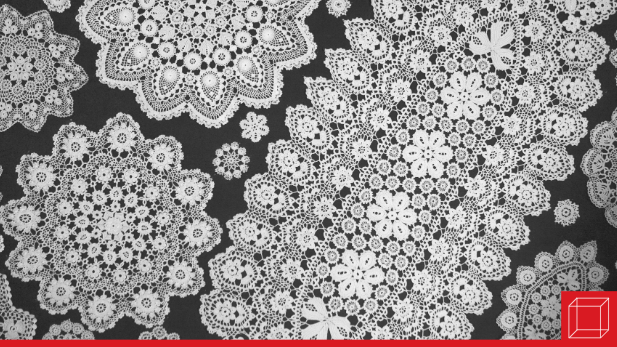
In the mountain village of Koniaków, Poland, lace crocheting has been passed down for generations. Known locally as hekla, the craft began as a way for women to embellish items like bonnets, altar cloths, and household linens. Over time, it became a cottage industry that earned extra income for families. Today, around 700 women in the region continue the tradition, working with fine cotton thread to produce blouses, skirts, tablecloths, and wedding dresses. Each piece is unique, created without patterns and often inspired by surrounding landscapes.
Koniaków lace is flourishing at a moment when many traditional crafts are fading. The revival began in the early 2000s when lacemakers sparked attention by adapting their skills to produce lingerie and swimwear. This bold shift helped prove that lace could be modern as well as traditional, and it drew new international interest. Prices reflect the labor involved: a blouse might take weeks to finish and sell for $750 or more, while intricate wedding gowns reach tens of thousands. Luxury houses from Dior to Comme des Garçons now court the village’s artisans in search of pieces that carry both authenticity and originality. “Koniaków lace has already appeared twice at Paris Fashion Week,” said Lucyna Ligocka-Kohut, president of the Koniaków Lace Foundation.
Part of the lace’s appeal lies in its connection to place. Makers draw on nature for motifs — flowers, stars, and even rays of sunlight — crafted freehand with no templates. The result is a product that feels alive, with subtle imperfections that only add to its beauty. For global brands, this is slow fashion at its purest: handmade, local, and impossible to mass-produce. For Koniaków’s women, it’s a living tradition that defines community identity. As one foundation leader put it, their lace embodies three values: art, tradition, and passion. That mix has carried the craft from humble bonnets to haute couture runways.
Questions:
What are some factors that make Koniaków lace appealing to global fashion brands?
Do you think more local crafts could potentially find a place in the world of high fashion? Why or why not?
Sources: Carol J. Bulcoski, “Art, Tradition, Passion: Polish Crocheted Lace,” Piecework Magazine, June 26, 2024; Rafal Niedzielski, “Traditional Polish Lace Crochet Is Becoming a New Favorite In Fashion,” Associated Press, Aug. 22, 2025.

