Climate Change Causes French Bottled Water Scandal
Perrier is losing access to its natural sources of mineral water.
- Higher Education
- Blog
- Article
- Understanding Business
- Chapter 1 Taking Risks & Making Profits
- Chapter 2 Economics
- Chapter 3 Globalization
- Chapter 4 Ethics & Social Responsibility
- Chapter 9 Production & Operations Management
- Chapter 13 Marketing
- Chapter 14 Product & Price
- Chapter 15 Distribution
- Branding
- Ethics
- Food & Drink
- Product Development
- Product Distribution
- Retail, Marketing and Advertising
- Supply Chains
- Supply & Demand
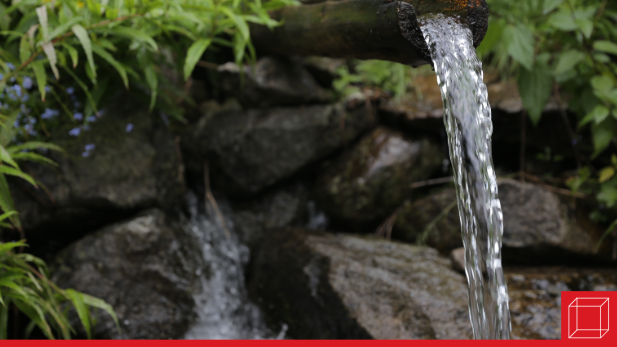
For 160 years, Perrier has stood as a global symbol of French sophistication, served in cafés from Paris to New York as "the champagne of table waters." But climate change is forcing an uncomfortable truth: the purity that made Perrier a national icon may no longer exist. Years of drought in southern France have contaminated the deep aquifers where Perrier sources its water. Last year alone, the company destroyed 3 million bottles due to contamination. In response, parent company Nestlé has increasingly relied on filtration systems that are illegal for natural mineral water brands to use.
When Nestlé admitted to using banned filters in 2021, the French government stepped in to protect Perrier’s pure image. President Macron's office worked behind closed doors to rewrite regulations rather than force the company to abandon its "natural mineral water" status. A government investigation found that officials at "the highest levels" covered up the scandal, viewing France's €2.7 billion mineral water industry as too culturally and economically important to lose. The government even altered official reports to match Nestlé's requests, treating Perrier less like a product and more as a piece of French heritage worth protecting.
Now Perrier faces a choice to either adapt to developing circumstances or lose what made it special. The company recently launched a line of flavored drinks that don't claim to be "natural," essentially creating a backup brand for a climate-changed world. Hydrologist Emma Haziza warns that "the whole system cannot go on" as deeper aquifers become similarly contaminated. Meanwhile, investigations in France revealed that as much as a third of all mineral water sold in the country has been illegally treated with ultra-violet light or carbon filters. Although this water is still safe to drink, it lacks the high-end appeal of water extracted from natural springs. That’s what made Perrier into a luxury brand, of course, and only time will tell if it can maintain that upscale image going forward.
Questions:
How could Perrier’s use of illegal filtration systems potentially hurt its brand?
Do you think Perrier will be able to maintain its status as a luxury brand in the long term? Why or why not?

