Learning Levels
-
PreK–12


Everyday Mathematics is developed by education researchers at the University of Chicago School Mathematics Project (UCSMP). This group is dedicated to helping children learn mathematics using a research-based approach.
Everyday Mathematics is the most research-grounded and field-tested elementary mathematics program available today.
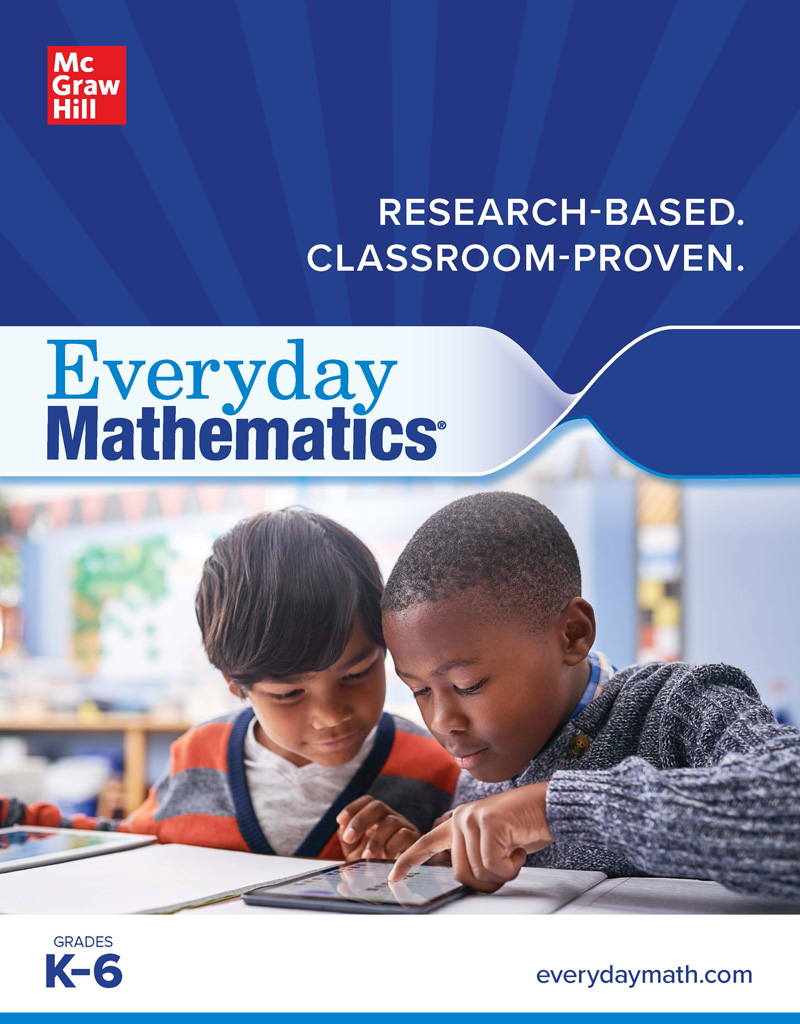
Everyday Mathematics is recognized by the U.S. Department of Education What Works Clearinghouse as the most effective core elementary mathematics program in the country. Hear from educators using the program how it has impacted students in their schools.
There is no better evidence of the program’s effectiveness than the children with increased confidence and excitement about math which has led to gains in achievement across the country.
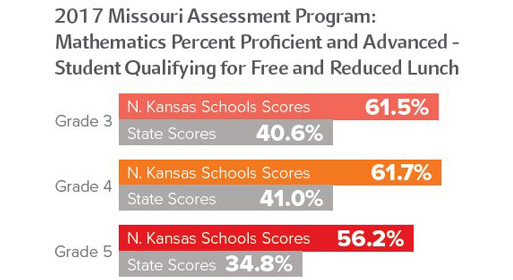
North Kansas elementary schools have seen a significant increase in math scores across every group, including Free & Reduced Lunch.
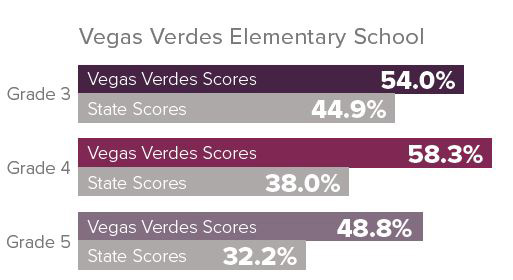
Students using Everyday Mathematics performed well above the Nevada average on the 2017 SBAC.

Stamford Public Schools
Stamford, CT
Champaign Unit #4
Champaign, IL
Johnston Community School District
Des Moines, IA
Wicomico County Public Schools
Salisbury, MD
Columbia Public Schools
Columbia, MO
Acequia Madre Elementary
Santa Fe, NM
Union Public Elementary Schools
Tulsa, OK
Norman Public Elementary Schools
Norman, OK
Development of each version of Everyday Mathematics begins with a research phase during which the authors review the most current research available related to how children learn. These white papers summarize some of the research behind the program.
McGraw Hill works tirelessly to ensure that our programs demonstrate positive effects across settings and with a variety of relevant educational outcomes. Our approach to evidence-based research and efficacy recognizes the value of smaller studies of program pilots and first-year implementations as well as larger experimental studies. The focus of all our research is to propel learners toward higher levels of achievement. Although it is important that our programs can demonstrate effectiveness in highly-controlled lab-like settings, our goal is to ensure that they work for real teachers in real-life situations under standard implementation conditions.
Our commitment to research includes working with world-class academics and practitioners in education to help design, develop, and validate instructional models that are based on current scholarship, establish efficacy, and support effective teaching and learning.
Everyday Mathematics is committed to continuously improving the instructional quality and academic integrity of program materials.
McGraw Hill works tirelessly to ensure that our programs demonstrate positive effects across settings and with a variety of relevant educational outcomes. Our approach to evidence-based research and efficacy recognizes the value of smaller studies of program pilots and first-year implementations as well as larger experimental studies. The focus of all our research is to propel learners toward higher levels of achievement. Although it is important that our programs can demonstrate effectiveness in highly-controlled lab-like settings, our goal is to ensure that they work for real teachers in real-life situations under standard implementation conditions.
Our commitment to research includes working with world-class academics and practitioners in education to help design, develop, and validate instructional models that are based on current scholarship, establish efficacy, and support effective teaching and learning.
Everyday Mathematics is committed to continuously improving the instructional quality and academic integrity of program materials.